
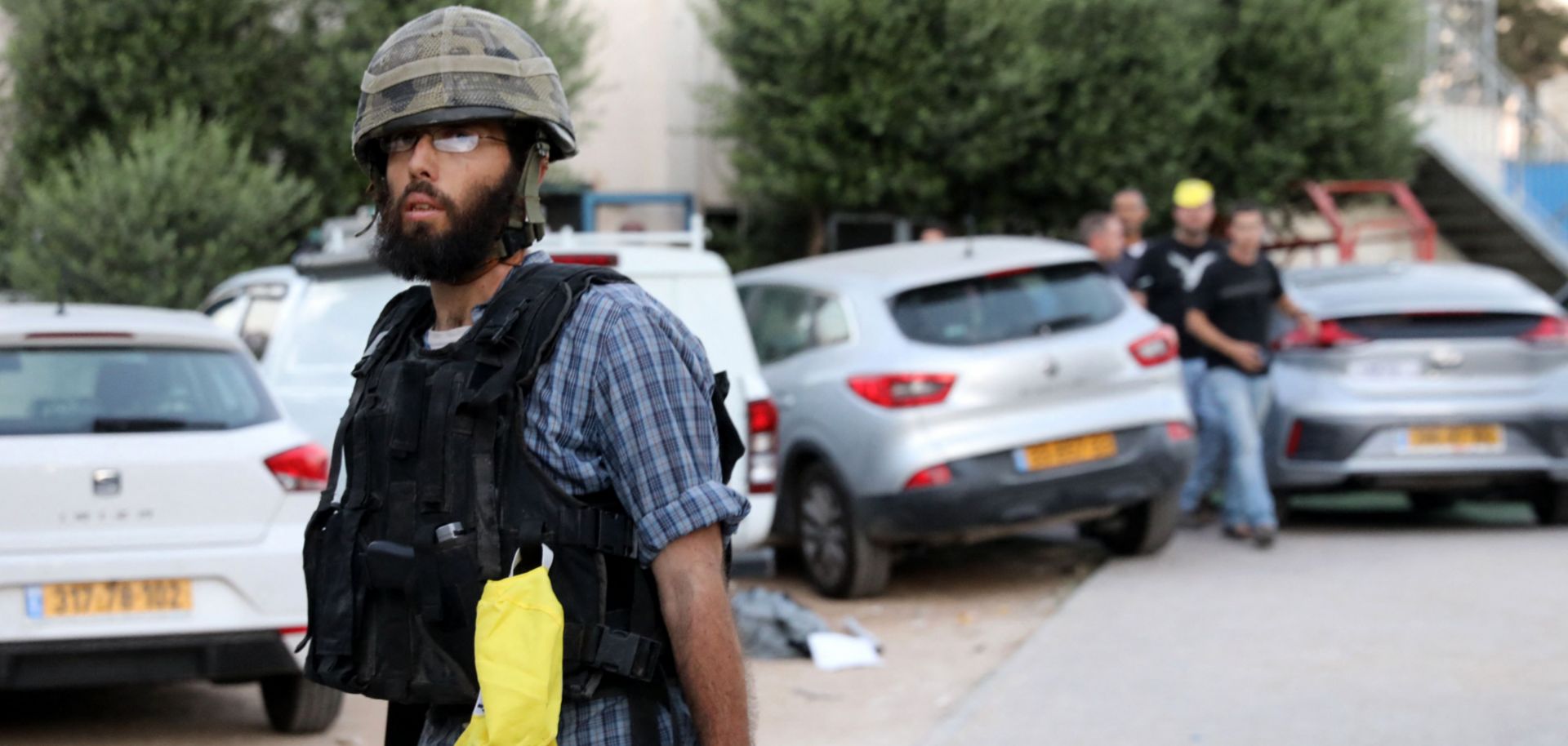
An Israeli far-right extremist walks in the street following clashes in the mixed Arab-Jewish city of Lod on May 13, 2021.
Widespread riots throughout Israel amid the ongoing violence in Gaza reveal an emboldened Jewish far-right that could radicalize the country’s politics, prolong its political paralysis and raise reputational risks for companies doing business in Israel. The latest flare-up between Israel and Gazan militants have caused tensions to skyrocket between Arab Israelis and far-right Jews, resulting in riots that began in the community of Lod on May 10 that have since spread nationwide to Nazareth, Acre, Tiberias, Jerusalem and Haifa, as well as several Tel Aviv suburbs. The riots saw widespread looting and intercommunal attacks, overwhelming police forces. Every political party in Israel’s sitting Knesset, including far-right Religious Zionism and Islamist Ra’am, condemned the violence and called for peace. But as of May 14, the riots still show no signs of stopping and will likely continue through the duration of the Gaza conflict.
- Israel’s March 23 elections saw the far-right Religious Zionism alliance take its largest-ever share of seats and brought the Jewish supremacist Otzma Yehudit party into the Knesset for the first time. Israeli far-right agitators have been engaging in clashes with Palestinians around east Jerusalem for weeks, where controversial evictions of Palestinians from the Sheikh Jarrah neighborhood sparked protests by Palestinian activists who still see east Jerusalem as the capital of a future Palestinian state. These protests helped trigger the ongoing conflict with Gazan militants that broke out on May 10.
- In 2018, Israel changed its constitution to declare itself the nation-state of the Jewish people. This further inspired the far-right and alienated many Israeli Arabs, many of whom have long felt discriminated against by the Jewish majority in housing, policing, and employment, fueling the protests.
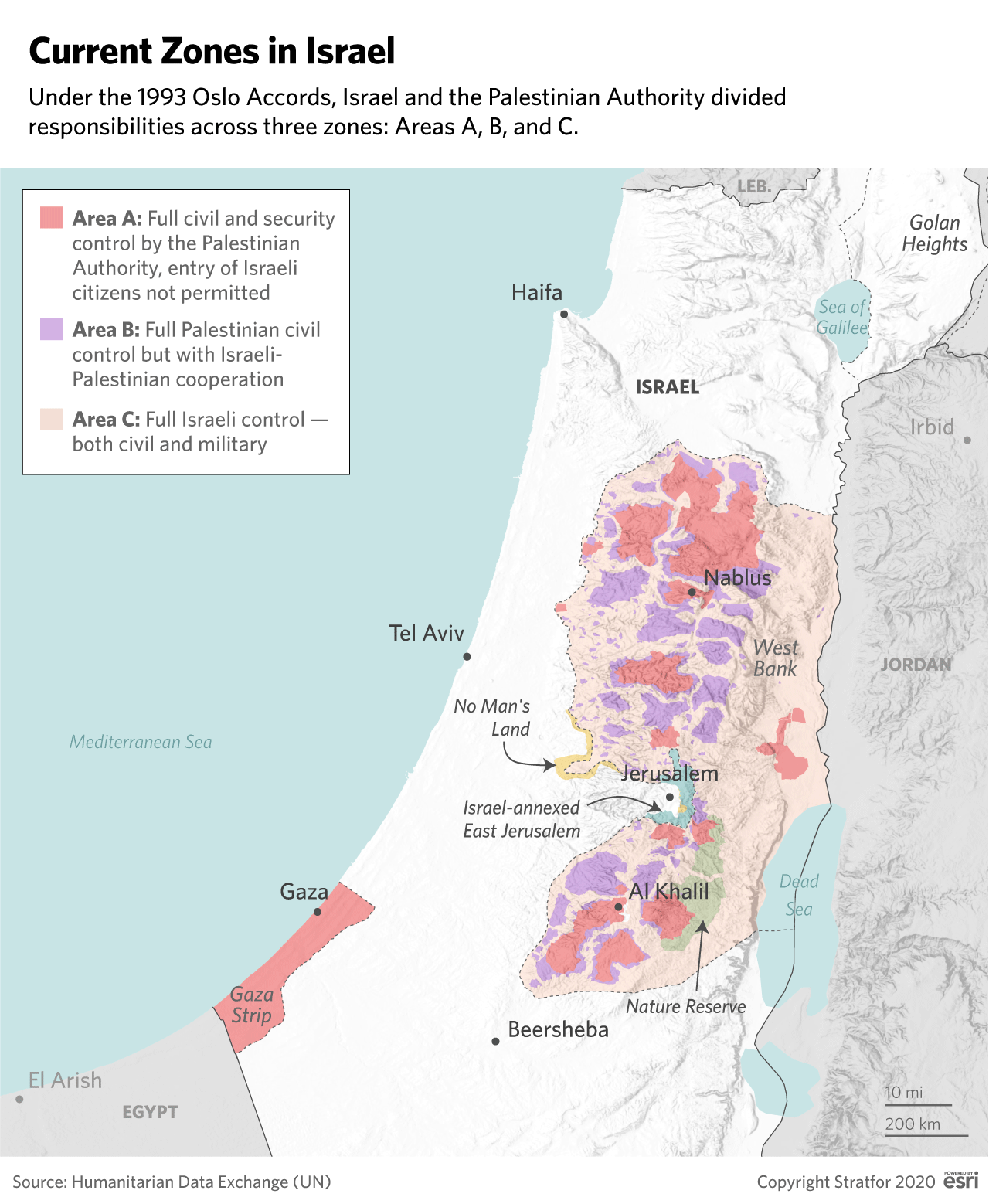
Further unrest between Israeli Arabs and Jews will likely radicalize elements of both populations, pulling Israel’s politics further to the right. Prime Minister Benjamin Netanyahu has been attempting to strengthen these forces to win seats for parties that would support him. Many Arabs and Jews who are currently bystanders risk being radicalized during the ongoing violence as they witness property destruction, street fighting, and experience potentially personal danger from the unrest. A more radicalized Jewish population could see fringe far-right parties like Otzma Yehudit become major players in future governments. More radicalized Israeli Arabs are also likely to cause future unrest, provoking more right-wing backlash from Jews.
- Israel’s far-right has been largely politically suppressed since Otzma Yehudit’s Jewish supremacist predecessor, the Kach party, was proscribed in 1994. But the country’s increasingly right-wing youth has helped give rise to grassroots far-right movements like the anti-assimilation group Lehava, which has been at the forefront of the recent protests in east Jerusalem.
- Israel’s younger voters have drifted to the right in part as a reaction to militant violence during the 2000-2005 Second Intifada and the recurrent Gaza conflicts in recent decades. More Israeli Arab militancy could accelerate this trend.
- The political influence and government presence of Israel’s left-leaning parties have steadily been shrinking amid the continued loss of youth voters. For over a decade, center-left or left-leaning parties like Meretz and the Israeli Labor Party have also failed to put together a coalition against the dominant right-wing, in part because they are unable to grow their support base with new, younger voters.
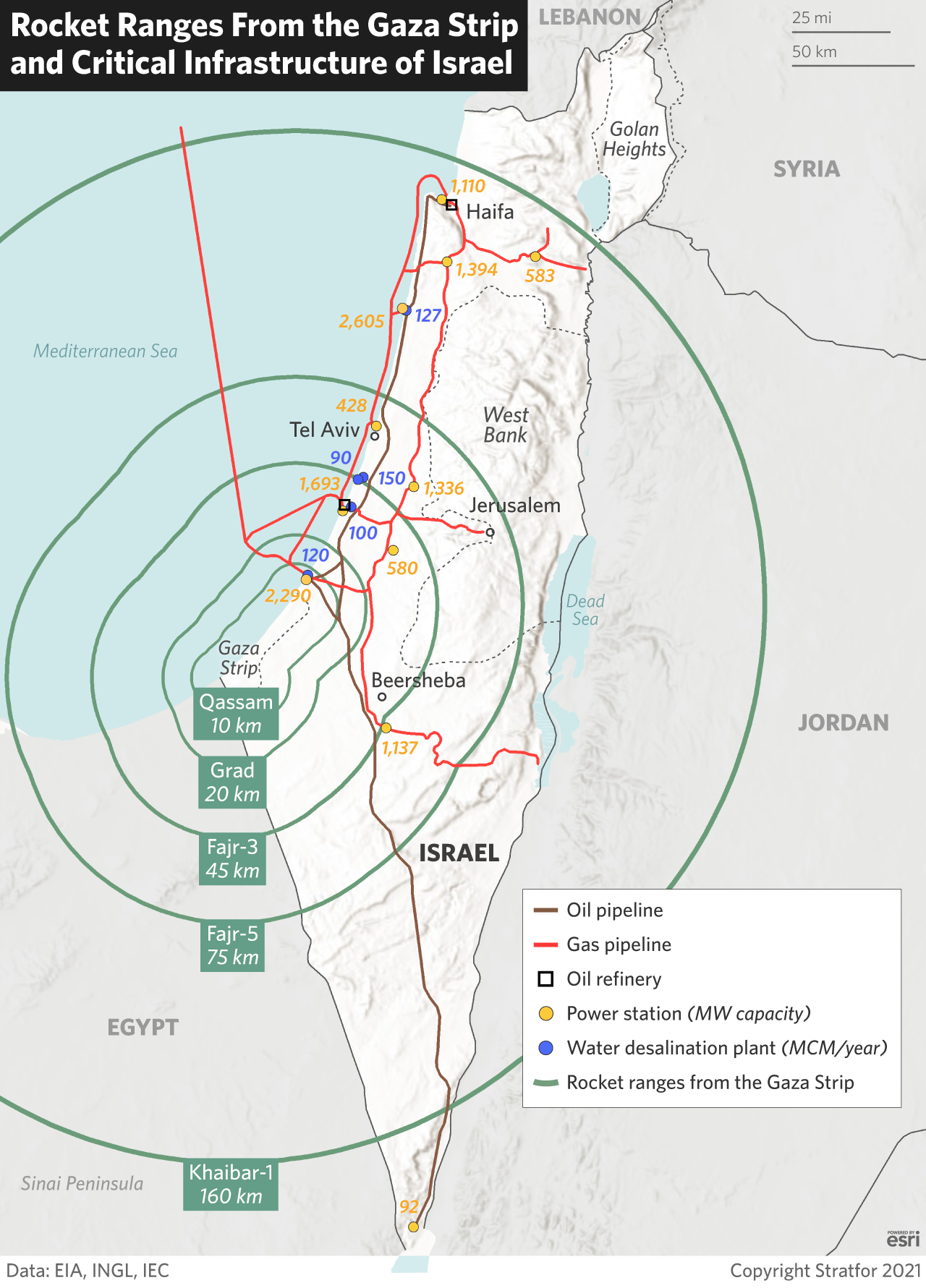
A more right-wing Israeli government would likely pursue policies that further alienate its allies and make it more difficult for some to do business in the country. Internationally controversial policies that far-right parties could push for include more settlement expansions and annexations in the West Bank, the re-occupation of the Gaza Strip, pro-religious laws seen as potentially discriminatory against women and/or LGBTQ Israelis, and an overall increased role of religion in the country’s secular court system. Far-right partisans might also attempt to intimidate Israeli Arabs into moving out of certain neighborhoods or emigrating from the country through violence and riots. Such radical policies and street violence would strengthen the sentiment that supports the anti-Israel Boycott, Divestment, and Sanctions movement by playing into the narrative of those already critical of Israel’s human rights record both abroad and at home.
- The Religious Zionism alliance includes the explicitly anti-LGBTQ party Neom. If given the influence and opportunity, the party will attempt to roll back rights for Israelis within that community, like same-sex marriage.
- Several international organizations, including Human Rights Watch, have officially designated Israel’s ongoing occupation of Palestinian territory as apartheid, which has helped fuel the isolation campaign against Israel. Critics of the apartheid label often point to Israel’s democratic protections for Israeli Arabs and other minorities, though these protections could be eroded by an emboldened far-right government.
- Far-right Israelis already interrupted their government’s push to normalize ties with the United Arab Emirates and other Arab Gulf countries. In February, far-right activists helped freeze a sale of the Beitar Jerusalem football club to an Emirati royal because it would have given partial ownership of the team to an Arab.
