
Ukraine's ongoing attacks on Russian Baltic energy infrastructure are likely to result in additional rounds of Russian hybrid aggression against the Baltic countries rather than a direct attack on any NATO states, though the risk of an incident spiraling out of control will persist. On April 7, Russian Foreign Ministry spokesperson Maria Zakharova accused Estonia, Latvia and Lithuania of facilitating Ukrainian drone strikes against Russian territory, particularly targeting energy infrastructure in the northwest of the country. Zakharova warned that Moscow would "respond" if such support continued, framing the alleged assistance as direct involvement in the ongoing war with Ukraine. Officials from the Baltic states rejected the claims, describing them as disinformation intended to justify Russian pressure and undermine their support for Ukraine. The European Commission, in turn, emphasized that member states have the right to support Ukraine's self-defense and rejected Russian attempts at intimidation. EU officials reiterated that any threat against member states would be taken seriously and that an attack against one member state would represent an attack against all of them.
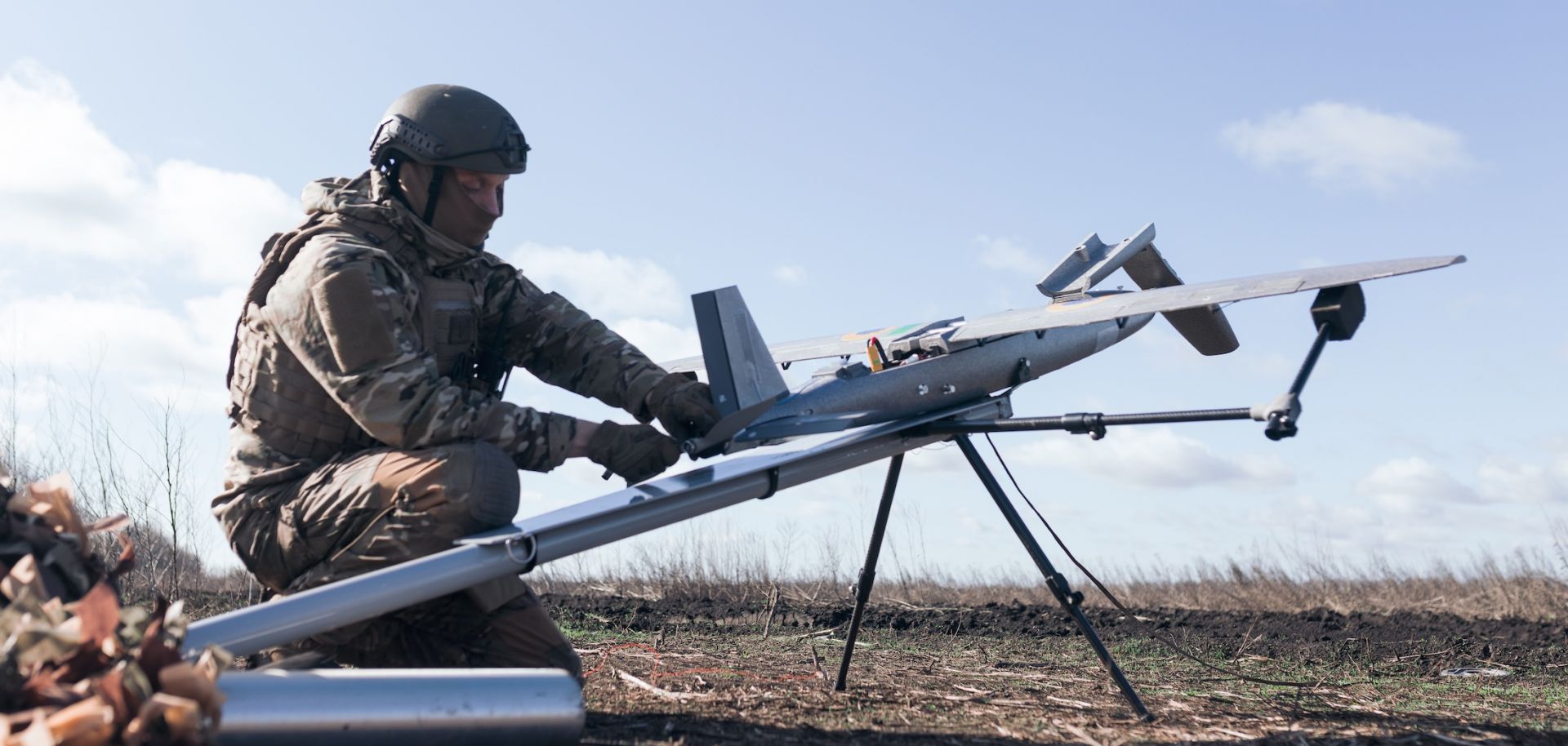
Ukraine's expanding long-range strike campaign against Russian energy and military assets in the Baltic region is aimed at degrading Moscow's economy and warfighting capacity. In recent weeks, Ukraine has increasingly targeted Russian infrastructure deep behind the front lines, including oil terminals, storage facilities and transport nodes in the Baltic region. These strikes are militarily disruptive and economically significant, as they affect Russia's export capacity and domestic energy logistics. From Moscow's perspective, the geographical proximity of NATO states — particularly Estonia and Latvia — creates suspicion that such attacks may rely on intelligence, navigation support or launch corridors linked to those countries. But regardless of whether Estonian, Latvian or Lithuanian authorities are involved in the attacks, Russia has long framed the war as not merely a conflict with Ukraine but as a proxy confrontation with the West. Statements like Zakharova's reinforce that narrative domestically and internationally. Against this backdrop, Russia's threatening statements toward the Baltic states are meant to deter further support for Ukraine without triggering a direct military confrontation with NATO.
- Since late March, Ukraine has executed a long-range drone campaign against Russia's Baltic Sea energy hubs, specifically targeting the ports of Ust-Luga and Primorsk in Leningrad province to disrupt the Kremlin's oil windfall connected to the war in Iran. These strikes have hit multiple storage tanks belonging to Transneft-Baltika and damaged railway unloading racks, causing large fires and forcing a significant reduction in oil shipments. By targeting these facilities, which handle over 40% of Russia's seaborne oil exports, Ukraine has reportedly wiped out an estimated $1 billion in revenue in a single week and exposed vulnerabilities in Russian air defenses over 1,000 kilometers from the Ukrainian border.
- Beyond energy infrastructure, on March 25 the Ukrainian military claimed its first successful drone strike on a Russian military vessel in the Baltic, the FSB-operated patrol icebreaker Pruga in Vyborg. Russia has not confirmed or denied this claim.
- Ukraine's attacks in Russia's Baltic areas are taking place against the backdrop of virtually frozen peace talks, as the war in Iran has led to the suspension of the U.S.-backed negotiations between Moscow and Kyiv. Without the prospect of a comprehensive peace deal in the short to medium term, Ukraine's strategy is focusing on increasing Russia's economic pain. In recent years, Ukraine has already applied this strategy to energy and transportation infrastructure in other parts of Russia. With global oil prices rising due to the Middle East crisis, Russia's oil windfall is larger, making the Baltic ports even more critical targets for Kyiv to offset Moscow's increased revenue.
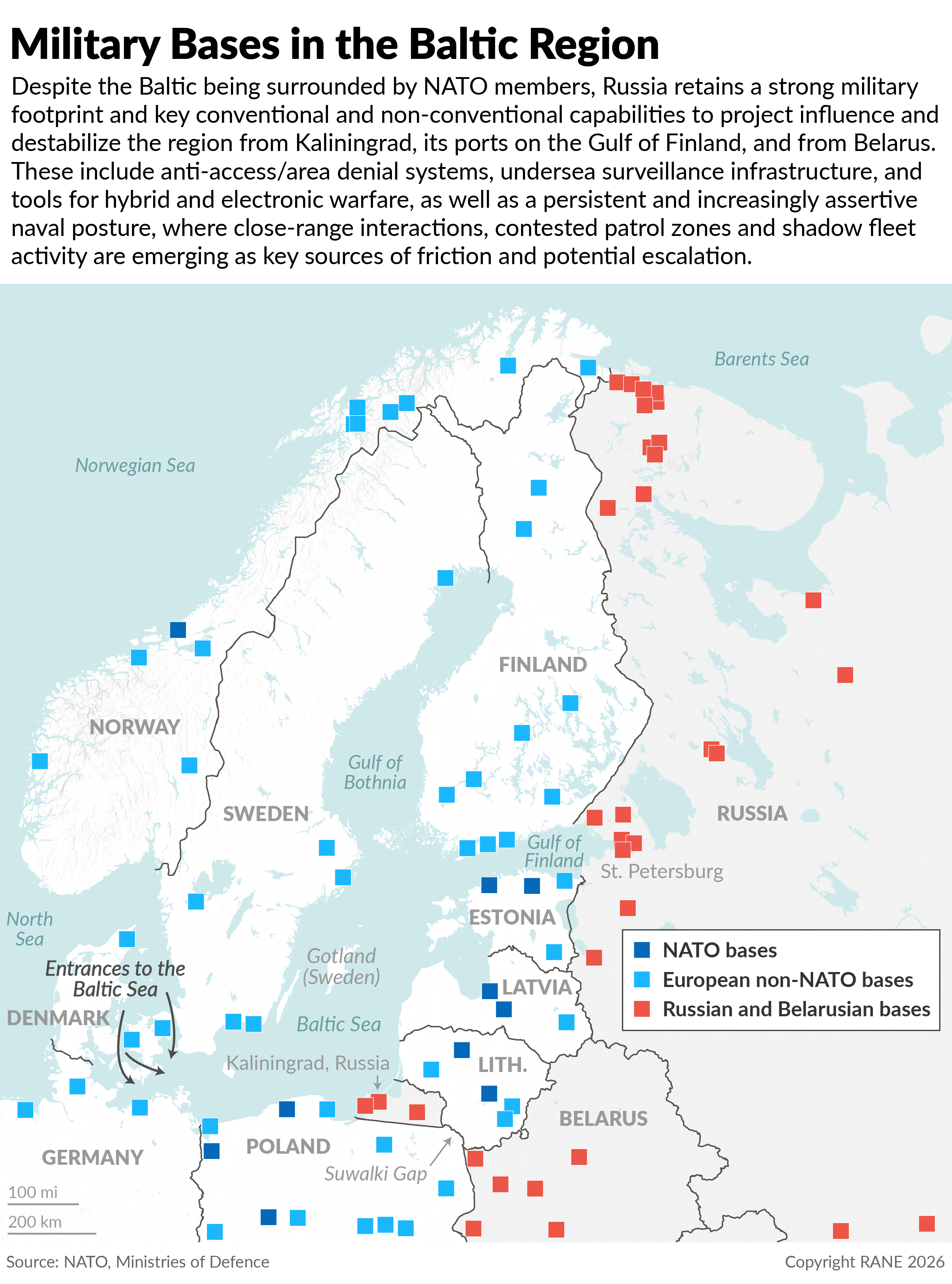
As Ukrainian strikes against Russian infrastructure in the Baltic region are likely to continue, the most likely trajectory in the coming months involves continued Russian reliance on asymmetric measures against the Baltic states. Moscow may intensify cyberattacks on Baltic infrastructure, increase electronic warfare activity in the region or conduct covert sabotage operations designed to signal capability and resolve while maintaining plausible deniability. Airspace violations by drones or aircraft may persist or even increase, as they provide a low-cost way to test NATO responses and create political pressure. Russia is also likely to continue its information campaign, amplifying narratives that portray the Baltic states as reckless actors dragging NATO toward war. These actions align with Russia's broader objective of shaping the strategic environment without crossing clear red lines that would trigger a unified and forceful NATO response. These hybrid efforts are likely to intensify ahead of the September presidential election in Estonia and the October parliamentary elections in Latvia, as both offer good opportunities for Russian interference.
A direct military attack on a Baltic state in the near term remains highly unlikely, primarily due to the constraints imposed by NATO's collective defense framework. Estonia, Latvia and Lithuania are members of the alliance. Were they to be attacked by Russia, they would invoke NATO's Article 5 collective self-defense provision, potentially leading to a large-scale conflict between Russia and NATO. Such a scenario would carry enormous military, economic and political risks for Moscow, far exceeding the stakes of the current war in Ukraine. Despite its willingness to take significant risks, the Kremlin has consistently avoided actions that would guarantee direct confrontation with NATO forces. Even during periods of heightened tension, such as previous missile or drone incidents near alliance borders, Russia has stopped short of deliberate attacks on NATO territory. This trend is likely to continue in the coming months, as Russia's threat perception is not currently high enough to justify opening another war front against the Baltic states and ensuing broader war against NATO. Still, the risk of miscalculations and accidents in the Baltic remains real. It may even grow as drone warfare in the region expands, leaving the door open to incidents that trigger a broader Russia-NATO conflict, even if this wasn't Moscow's original intent.
- Russia's forces are heavily committed in Ukraine. Sustaining offensive operations there is already straining Moscow's logistics, manpower and equipment. Opening even a limited front against NATO in the Baltic would require resources and coordination that are not readily available without significant preparation — developments that would be difficult to conceal and would likely provoke preemptive countermeasures from the alliance.
- NATO has reinforced its eastern flank since 2022, deploying multinational battlegroups, enhancing air policing and improving rapid response capabilities. These measures increase the deterrent effect, raising the threshold for any potential Russian aggression.
- The risk of accidental escalation has been heightened by a recent trend of Ukrainian drones straying into NATO territory, most notably the March 25 incident where a drone hit a chimney at the Auvere Power Station in Estonia. Similar wreckage has been recovered in Latvia and Finland. While Baltic officials have confirmed these drones were not intentionally directed at NATO targets, they increasingly point to Russian electronic warfare and intensive GPS spoofing in the Baltic Sea as the primary cause for these navigation failures. This creates a volatile scenario where Russia uses electronic warfare to divert Ukrainian assets into NATO airspace, hoping to create a conflict between Ukraine and its Western allies or justify Moscow's narrative that the Baltic states are actively hosting Ukrainian launch corridors.
- Ukraine's ongoing strikes in the Baltic region can disrupt Russian energy infrastructure in the short term, causing fires, temporary shutdowns and logistical delays while raising Moscow's costs and exposing vulnerabilities in air defenses. However, Russia's export system is large, redundant and geographically diversified, allowing it to reroute flows and repair damage relatively quickly. As a result, these attacks are unlikely to cause sustained or system-wide reductions in oil exports or generate so much economic pain for Moscow that the Kremlin rushes to reach a peace deal with Kyiv.
