
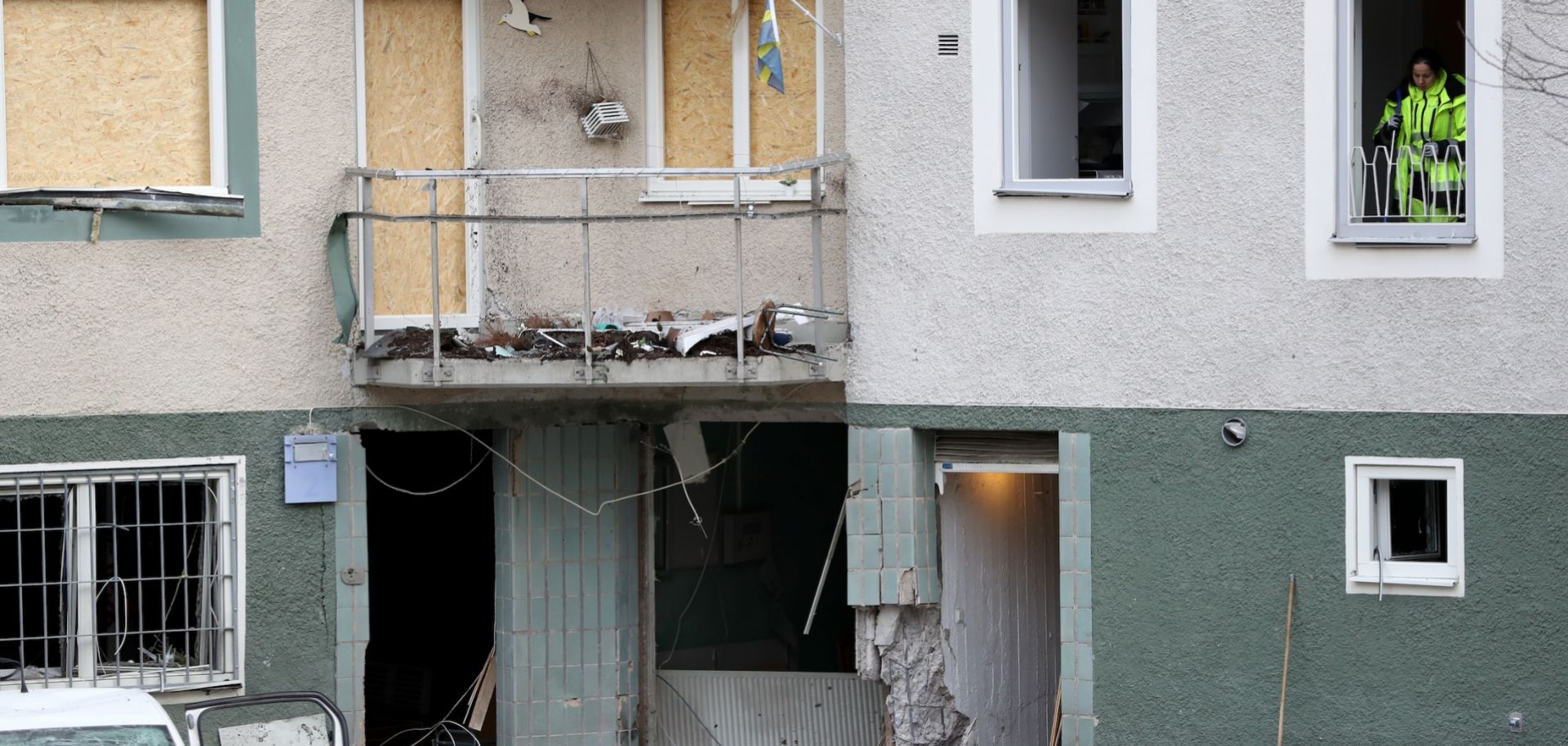
Persistently high and increasingly politicized violent crime rates in Sweden could negatively affect the country's political stability, international reputation, social cohesion and economic growth. Denmark will impose stricter border controls with Sweden at the Oresund Strait that separates Copenhagen from Malmo following a series of shooting and bombing attacks carried out in the country by Swedish citizens in recent weeks, Danish Justice Minister Peter Hummelgaard announced Aug. 9. The recent incidents in Denmark come as Sweden struggles to address a sharp uptick in gang-related crime and other violent criminal activity in recent years, particularly in the capital of Stockholm, Gothenburg and Uppsala, and in southern cities like Malmo. These incidents have involved stabbing attacks, shootings and bombings using hand grenades and improvised explosive devices. Violent crime rates have grown steadily in Sweden in the past decade, with the country now having the highest per capita gun violence rate in the European Union. While this is not the first time Denmark has imposed border controls at the Oresund Strait in response to upsurges in criminal activity or illegal migration, the row underscores how the issue remains unresolved.
- Hummelgaard said Danish authorities will increase train and road crossing inspections at the Oresund Strait to prevent criminals from entering Denmark from Sweden.
- According to the Swedish National Council for Crime Prevention, which collects and analyzes official crime statistics for the Swedish government, violent crime has been on the rise in Sweden for the past decade. Between 2013 and 2023, the number of homicides increased by nearly 40%. This has largely been driven by gun violence, which reached an all-time high in 2022 with 62 victims in 392 separate incidents. In 2023, the year for which there is the most recent data, there were 55 fatal shootings out of 363 in total, compared with only six deadly such incidents in Sweden's three Nordic neighbors (Denmark, Finland and Norway) combined. This translates into a per capita gun violence rate roughly 2.5 times higher than the European average, according to a study by the Swedish National Council for Crime Prevention. As of July 2024, there had been 148 shootings in Sweden this year, with 20 people killed and 26 injured.
- Hummelgaard's announcement follows a series of shootings in Denmark involving Swedish citizens. On Aug. 6, a Swedish man and a woman, both aged 24, were arrested in Sweden in connection to an explosion at a kiosk in Copenhagen that saw no injuries. On Aug. 5, a 17-year-old was arrested for attempted murder after a shooting in Frederiksberg. On Aug. 1, a 16-year-old and a 17-year-old were arrested in Copenhagen and Kolding, respectively, for two separate shootings.
Crime has become an increasingly politicized issue in Sweden, contributing to the growing popularity of the far right and representing a key priority for the country's right-wing minority government. Driven by conflicts between rival criminal gangs, the rise in shootings and bombings in Sweden has led to increased harm to bystanders as the violence becomes more widespread and indiscriminate, making crime a priority for Swedish voters. As gang activity primarily concentrates in socioeconomically disadvantaged neighborhoods with large immigrant communities, this has fueled debates over immigration and social integration policies, contributing to the growing popularity of right-wing parties promising tougher law enforcement and stricter immigration controls. Prime Minister Ulf Kristersson's right-wing minority government, supported in Parliament by the far-right Sweden Democrats, came to power in 2022 promising a tougher line on crime and tighter immigration controls. On crime, government policies include enhancing surveillance, introducing stricter penalties for gun crime, and rolling out so-called security zones where authorities can stop and search any citizen within an area where they believe violent crime is imminent. Midway through Kristersson's term, however, violent crime has remained persistently high.
- A 2021 report on gang violence for the Swedish National Council for Crime Prevention shows that Swedish residents born abroad or whose parents were born abroad were overrepresented as suspects in cases of murder and robberies.
- The far-right Sweden Democrats party, traditionally relegated to the fringe of Swedish politics, has capitalized on concerns over crime and migration, growing its share of the vote from about 12% in 2014 general elections to 20% in the latest elections, in 2022.
- Beyond issues related to migration, segregation and socioeconomic inequality that create fertile ground for gang recruitment and violence, Sweden's gang problem is more pronounced than in other Nordic countries also largely due to factors such as a more significant and lucrative illegal drug market and a more extensive and internationally interconnected criminal networks compared to its neighbors.
If unresolved, rising violent criminal activity could exacerbate social tensions, cause political instability and lead to a gradual deterioration of the country's business environment. The lack of progress in addressing crime could destabilize Sweden's minority government, leading to tensions that affect the informal agreement between Kristersson's Moderates and the Sweden Democrats, which could seek to strengthen their electoral credentials among Swedish voters by distancing themselves from government failures on this front and demanding tougher action. This, in turn, could result in a government collapse and lead to early elections should the minority government fail to gain the support of other opposition parties. Meanwhile, persistently high crime rates could exacerbate societal divisions in Sweden given the growing emphasis on immigration in crime discussions, which could contribute to rising anti-immigrant sentiment among the Swedish public, lead to far-right unrest similar to the riots recently seen in the United Kingdom and increase the risk of extremist violence. The unmitigated surge in violent crime — coupled with the subsequent potential increase in political instability and social tensions — could also negatively impact the international reputation of Sweden (until recently considered among the safest and most stable countries in Europe), as demonstrated by Denmark's decision to impose border controls at the Oresund Strait. The increased sense of insecurity could negatively affect tourism and foreign investment in Sweden, as perceptions of safety are crucial for attracting visitors, businesses and talent (such as foreign students and skilled workers). Meanwhile, perceived discriminatory policies in response to rising anti-immigration sentiment could disincentivize skilled migrants from moving to Sweden, exacerbating labor shortages in sectors including health care and education.
- With surveys showing crime remains a top issue for voters, should the government fail to demonstrate significant progress on addressing the problem before the next general election in 2026, ruling party approval rates could decline, pushing the Swedish Democrats to end its cooperation with the government in hope of a stronger performance in the next election.
- According to a European Labour Authority report published in May 2024, Sweden is facing labor shortages in almost 40 job types, especially for health care, education, private security, machinery repair and maintenance.
- An October 2023 survey for the Stockholm Chamber of Commerce shows 80% of surveyed Swedish companies believe it will become more difficult to attract foreign workers, investment and visitors into the country if gang violence does not diminish.
- Swedish central bank Gov. Erik Thedeen said during a December 2023 interview with the Financial Times that rising gang violence could threaten the country's long-term economic growth potential by eroding public trust, a key factor in Sweden's productivity.
