
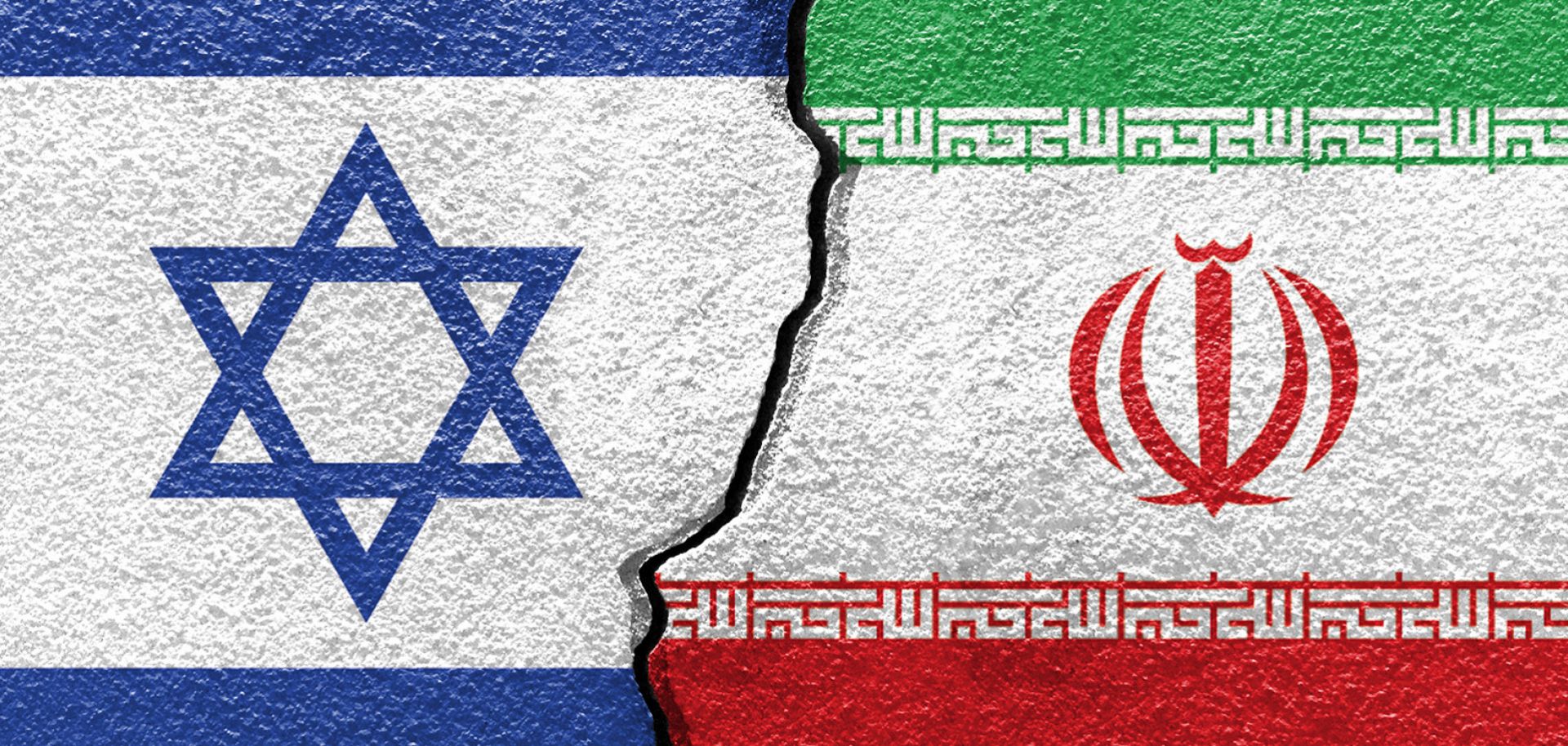
Israeli officials are showing more pragmatism about the possibility of a limited nuclear deal with Iran under the auspices of the Joint Comprehensive Plan of Action. According to a Jan. 5 Axios report, the head of Israeli military intelligence told Israeli ministers during a Security Cabinet meeting on Jan. 2 that Israel would be "better off" if ongoing Iran nuclear talks actually produced a deal. Having at least part of the Israeli security establishment behind a potential deal would offer important support from a key regional power previously opposed to the 2015 JCPOA, which could help sustain any deal.
- Then-Prime Minister Benyamin Netanyahu — who did not leave office until last year — and many members of his government were deeply opposed to the 2015 JCPOA based on Israel's assessment of the Iranian nuclear program's threat to Israel and the ongoing conflict between the two countries, which are among the Middle East's biggest adversaries.
While a limited agreement is likely this year, the high stakes, complex talks could collapse. JCPOA talks in Vienna are ongoing between Iran on one side and China, France, Germany, Russia, the United Kingdom and the United States on the other. Israeli officials have met repeatedly with U.S. officials on the issue in recent weeks. But redoubled Iranian demands for sanctions relief and more nuclear-related concessions since talks resumed in November 2021 after a five-month hiatus, as well as continued U.S. demands that non-nuclear issues also be discussed, have slowed the nuclear talks' progress.
- Recent comments by U.S. and European officials indicate that the window for a deal in Vienna is narrow and closing, jeopardizing a deal that would see Iran freeze some of its nuclear activity in exchange for financial relief.
- In a briefing in mid-December 2021, a U.S. State Department official spoke of "modest" progress in two areas of the talks, even as he cautioned against unbridled optimism.
Israeli military intelligence's shifting position indicates a change in the Israeli government's perception of the value of a limited agreement. Amid faltering negotiations — and especially if they collapse — Iran may accelerate its stockpiling of highly enriched uranium and decide at some point to assemble a nuclear bomb. But with an agreement — even a limited one — Iran would at least publicly agree to freeze parts of its nuclear program, assuaging some Israeli security concerns. Military intelligence shifting its assessment on this cost-benefit equation does not necessarily mean all of the Israeli government shares the same view, but it does mean Israel is more likely to prepare for an outcome in which a deal is struck.
- For Israel to carry out an overt strike on Iran, the defense establishment led by Defense Minister Benny Gantz would have to sign on, as would alternate Prime Minister and Foreign Minister Yair Lapid. In his previous position in Netanyahu's government, Gantz opposed attacking Iran, suggesting he is sympathetic to diplomacy.
Signs of a softening position on a deal do not mean Israel is changing its fundamental threat assessment regarding Iran, and the shadow conflict between Israel and Iran will remain a potent source of risk in the region no matter what deal might emerge in Vienna. Ideally, the Israeli government would want a deal that limits a range of Iran's threatening behavior beyond its nuclear development. In particular, Israel wants to block anything that could make it easier for Iran to develop ballistic missiles or expand its regional proxies.
- Lapid said Jan. 3 that it appeared negotiations were heading toward a return to the nuclear deal or to an interim agreement to that end, and that Israel remained focused on a "good deal," which is a "good thing." Lapid added that Israel was working behind closed doors to ensure that sanctions are not lifted without Iran making the necessary concessions.
- U.S. national security adviser Jake Sullivan recently told Israeli officials that snapback clauses — a key part of the 2015 JCPOA deal that any party to the agreement can reinstate sanctions over violations, which in this case would involve European states taking action — should be pursued as a further deterrent to nuclear enrichment activities by Iran. This is likely reassuring to Israeli officials who want safeguards to prevent potentially dangerous future Iranian nuclear advances.
A new Israeli perspective on the nuclear deal could extend the agreement's life, as Israel might not lobby a future U.S. government to exit the deal, or try to disrupt it unilaterally. The Israeli government in recent years has been the most vocal global actor speaking in international forums like the United Nations and in bilateral meetings with JCPOA commission members and the United States about Israel's deep national security concerns regarding Iran. If the Israeli government's critique of a deal is somewhat more muted, as the recent Axios reporting suggests, it will help the JCPOA commission and the current U.S. government convince domestic and global naysayers of the value of such a deal. Israeli support for a deal could also mean less Israeli willingness to disrupt it, and thus a lower risk of Israeli attacks on Iran — such as the 2020 assassination of Iranian nuclear scientist Mohsen Fakhrizadeh — if Israel prefers a deal to no deal.
- The United States remains deeply engaged in conversation with its regional partners, including Israel and Arab Gulf states, whose security is impacted by Iranian behavior. Staying abreast of the demands and concerns of regional countries affected by Iranian actions helps U.S. negotiators broach such issues in negotiations with Iran. The desire to continue influencing what a nuclear deal with Iran entails could be part of the changed Israeli thinking on the benefit of supporting a limited agreement at this stage.
