
What We're Tracking
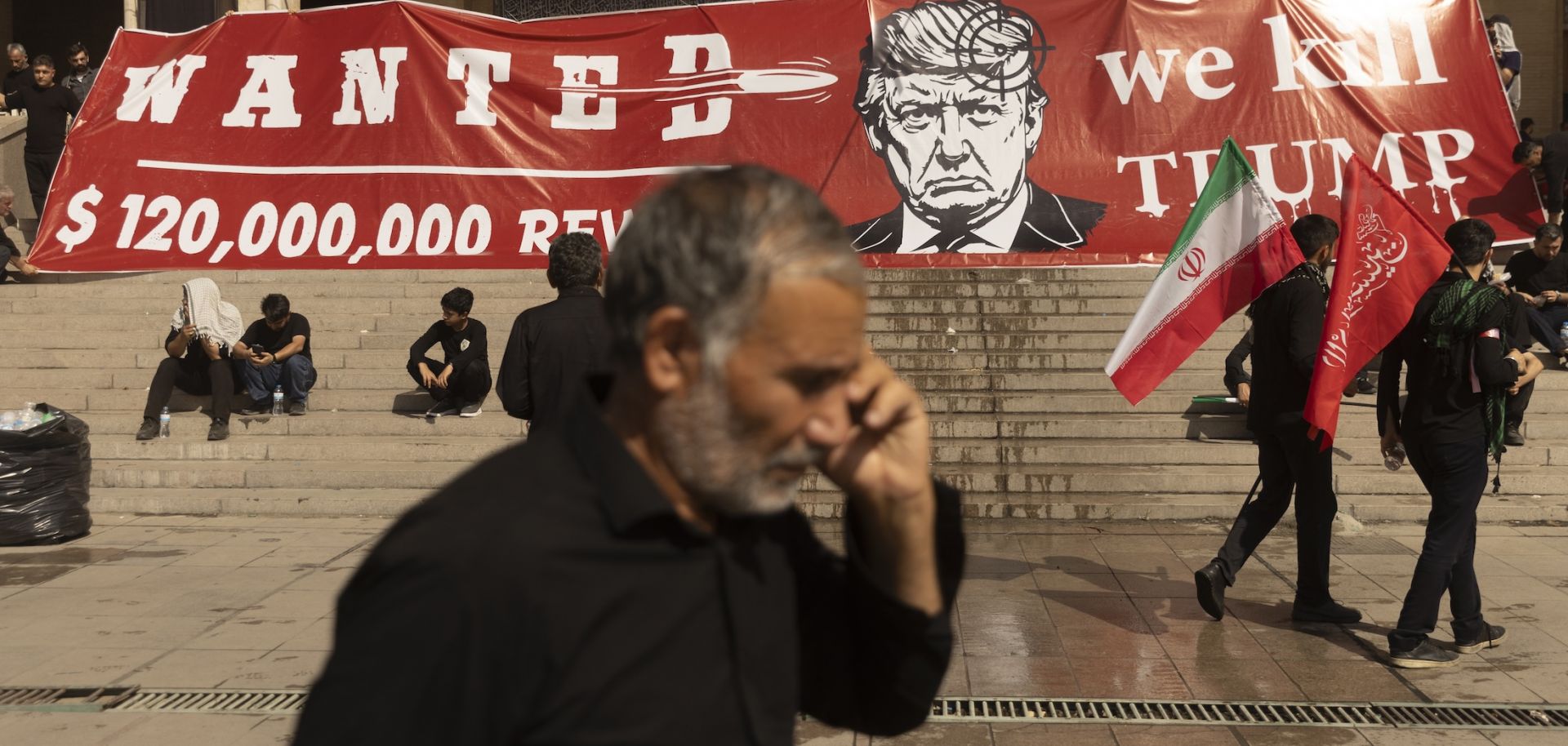
U.S.-Iran conflict escalates. U.S.-Iran clashes will likely continue over the next week, with the latest strikes indicating a widening in geographic scope and target sets, with no clear path toward de-escalation. Although regional negotiators, including Pakistan and Qatar, will likely encourage both the United States and Iran to de-escalate and resume negotiations, neither side seems willing to make concessions. If the United States increasingly targets civilian infrastructure in Iran, Iran will likely respond proportionately, risking damage to Gulf infrastructure — including power plants, desalination facilities and ports — and threatening personal safety throughout the region. Iran will also likely conduct further attacks against commercial vessels attempting to transit the Strait of Hormuz since the United States reimposed its blockade against Iranian ports July 14.
ASEAN and major power foreign ministers meet in Manila. From July 21-23, foreign ministers from the Association of Southeast Asian Nations will hold their annual meeting and related forums in Manila, the Philippines, alongside U.S. Secretary of State Marco Rubio, Chinese Foreign Minister Wang Yi, Russian Foreign Minister Sergei Lavrov and counterparts from Australia, Canada, Japan and the United Kingdom. A likely but unconfirmed Rubio-Wang meeting could clarify whether Chinese President Xi Jinping will visit Washington in September despite strains from U.S. President Donald Trump's renewed accusations of Chinese election interference. Rubio will also likely reaffirm support for the Philippines against China in the South China Sea while tempering his criticism to protect summit preparations. The wider agenda includes Myanmar's civil war, regional scam centers and trade and energy disruptions driven by the Iran war. ASEAN and China will likely cite progress on a South China Sea Code of Conduct and discuss negotiating faster, but disputes over its scope, enforceability and explicit reference to the U.N. Convention on the Law of the Sea will continue preventing its conclusion. ASEAN ministers are also likely to reaffirm the Five-Point Consensus peace plan for Myanmar. The ASEAN Regional Forum will also likely adopt a 2026-2036 cooperation plan on maritime security, cybercrime and preventive diplomacy, and could expand coordination against online scams.

The U.S. races to reimpose tariffs. The Trump administration's 10% Section 122 tariffs expire July 24, barring a highly unlikely act of Congress to extend them. The U.S. Trade Representative is rapidly progressing through the comment process for Section 301 tariffs, which have been proposed at 10% or 12.5% depending on the country, on 60 economies over alleged failures to address the import of goods produced with forced labor. There could be a gap between the end of the Section 122 tariffs and the imposition of the Section 301 tariffs, but this would likely be only a few weeks at most, as the administration moves as quickly as legally possible to review comments and implement the tariffs. Separately, a Brazil-specific 25% Section 301 tariff will take effect July 22.
Burnham to become premier, outline policy priorities. Having been confirmed as Labour leader July 17 with the backing of 379 of the party's 403 lawmakers, Andy Burnham will become British prime minister July 20, when caretaker Keir Starmer tenders his resignation to King Charles III. Burnham will then deliver his first address outside Downing Street before naming his Cabinet. A series of policy announcements is expected in subsequent weeks that will better define his agenda. The speech and Cabinet picks will offer the first concrete signals of how far his government will depart from Starmer's, with Home Secretary Shabana Mahmood expected to be appointed chancellor in a choice designed to reassure investors, Ed Miliband tipped for the Foreign Office and early backers like Angela Rayner and Wes Streeting returning to the Cabinet to replace Starmer loyalists. Burnham has pledged to observe existing fiscal rules and Labour's manifesto tax pledges while hinting at higher taxes on capital gains, land and property and more spending on housing, transport and regional investment, leaving markets focused on how he will seek to fund those ambitions as part of his first budget in the fall.
Recommended Reading
What Sheikh Hasina's Return Would Mean for Bangladesh's Political Future
The former leader's pledged return from exile risks triggering violent unrest and would likely do little to bolster her party's near-term political prospects, but it could eventually help ease tensions with India.
What South America's Rightward Political Shift Means for U.S. Relations
As many South American countries embrace right-leaning governments, their policies will increasingly align with those of the U.S. Trump administration, opening them to increased security cooperation, although economic integration remains unlikely.
Ukrainian Strikes Deepen Russia's Fuel Refining Crisis
Russia will retain the ability to produce and export most of its oil, but sustained Ukrainian strikes will erode its refining capacity, exacerbate domestic fuel shortages and raise the risk of deeper production cuts.
Podcasts
Visit the podcasts page to hear conversations about geopolitical and risk intelligence.