
The flare-up between Iran and the United States is the latest confirmation that recurrent conflict will be a feature of contentious negotiations, but the latest tit-for-tat moves indicate a slowly rising risk of a return to high-intensity, regional conflict like that seen in March. On July 8, U.S. President Donald Trump declared the ceasefire with Iran effectively "over," saying negotiations could continue but were a "waste of time." His comments came after Iran and the United States traded tit-for-tat strikes over the prior 24 hours. Earlier in the day, Iran conducted attacks against U.S. military sites in Bahrain and Kuwait. Its attacks were in retaliation for the United States striking more than 80 targets, including Iranian air-defense systems, command-and-control networks, anti-ship missile sites and more than 60 small boats near the Strait of Hormuz. A senior U.S. official characterized the strikes as four to five times larger than previous rounds since the June 17 memorandum of understanding. The U.S. strikes came a day after Iran struck at least three vessels, including a Qatari liquefied natural gas carrier, a Saudi crude supertanker and a third unidentified tanker. The renewed escalation and U.S. move on July 7 to revoke a general license that had allowed the sale of Iranian oil caused oil prices to spike around 6% early on July 8.

The latest escalation is taking place against the backdrop of a growing dispute over control of the Strait of Hormuz — both between U.S. and Iranian negotiators and among Iranian leaders themselves. Tehran appears to be using renewed maritime pressure to signal that it is unwilling to surrender control over Hormuz, now its main source of leverage. The Iranian leadership appears divided over the memorandum of understanding with the United States that has facilitated a slow reopening of the strait. Iran has been pushing for vessels to obtain its approval to transit the strait, use Iranian-controlled waters and potentially pay fees for navigation-related services. However, the United States has made clear it will not formally accept Iranian tolls or recognition of Iranian control over one of the world's most important maritime chokepoints. This has turned Hormuz into a central sticking point in the talks, creating a cycle in which Iranian attacks or restrictions on shipping invite U.S. retaliation, U.S. strikes further harden Iranian positions and both sides become less able to compromise.
- Activity through the southern corridor of the strait that hugs the coast of Oman has helped restore limited traffic through the Strait of Hormuz. However, transits remain far below prewar levels, at roughly one-third of normal volumes, underscoring that maritime operators continue to view the route as high-risk despite the reopening.
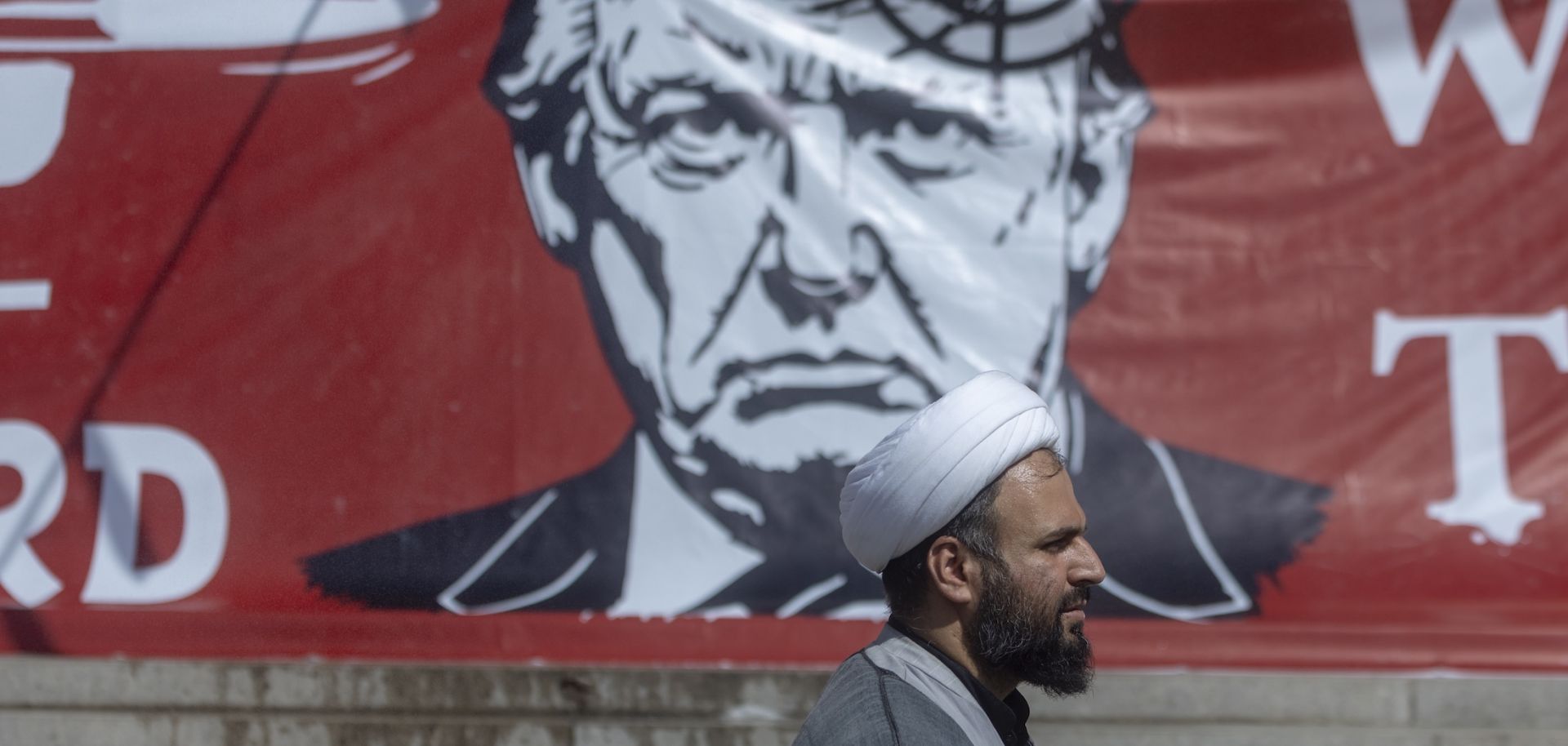
- Iran's push to control the Strait of Hormuz has become a major point of internal debate over how far Tehran should go in confronting the United States. Iranian moderates, including President Masoud Pezeshkian, appear focused on using negotiations to unlock billions of dollars in frozen funds and ease domestic economic pressure after the war. By contrast, the Islamic Revolutionary Guard Corps is seeking to preserve full control over the strait as a source of regional leverage and potential revenue stream. Iran's chief negotiator, Mohammad Bagher Ghalibaf, argued recently that the strait should remain open because continued traffic serves Iran's own shipping interests, while religious leaders across the country simultaneously called for a harder line against vessels moving through Hormuz without Iranian approval.
Recurrent flare-ups are likelier than a return to full-scale war, but the latest developments suggest there is a growing risk that continued periodic tit-for-tat attacks could spiral into broader conflict. Domestic U.S. political constraints and limited U.S. appetite for another round of wide-scale conflict will likely prevent the Trump administration from expanding military operations against Iran from military targets along the coastline to deeper into Iranian territory, including attacks against civilian targets and critical infrastructure. Therefore, repeated periods of Iranian and U.S. attacks that stop short of a return to full war remain the likeliest scenario. However, the risk of wider hostilities is increasing as Washington reimplements oil sanctions, Trump hardens his rhetoric and Iran continues to attack commercial vessels to signal its willingness to use force to consolidate its control over the Strait of Hormuz. Tehran is highly unlikely to abandon control over the strait, which it views as both a key bargaining tool and a spoil of war, while the United States is unlikely to formally accept Iran tolling or controlling one of the world's most important maritime chokepoints. While Pakistan, Qatar, Saudi Arabia or others will likely try to resume high-intensity mediation to contain the standoff and facilitate additional U.S.-Iran negotiations, continued escalation around Hormuz could eventually reignite wider U.S.-Iran hostilities. Even without a full return to war, Trump's comments and the latest strikes have forced some vessels to divert or pause transits through the Strait of Hormuz, illustrating the tenuousness of the passageway's reopening — though, if this exchange is short-lasting, more risk-tolerant vessels will likely attempt crossings. Broader escalation would have major regional implications, including a return to sustained Iranian attacks on Gulf countries, severe maritime supply chain disruptions and safety risks, higher insurance premiums and a higher likelihood of Houthi attacks in the Bab el-Mandeb strait to further disrupt maritime trade — in turn collapsing any remaining mediation efforts.
- Beyond Iranian attacks on Gulf countries, a wider U.S.-Iran conflict would also raise the likelihood of ceasefires collapsing elsewhere in the region, particularly in Lebanon. Israel has continued to push for greater military action against Hezbollah but has been constrained by U.S. pressure to preserve the broader diplomatic track with Iran. If U.S.-Iran talks collapse and Washington escalates against Tehran, that restraint could weaken, making the Trump administration more willing to green-light or tolerate expanded Israeli strikes on Hezbollah as part of a broader effort to weaken Iran's regional network.
- A wider U.S.-Iran conflict would also make escalation in Yemen more likely. Israeli officials have recently signaled that Israel is updating plans against the Houthis, who targeted Israel and maritime routes during the war. If hostilities resume and the Houthis renew attacks on Israel or Red Sea shipping, Israel would likely become more willing to conduct strikes in Yemen, adding another regional front to the conflict and further worsening risks to maritime trade.