
What We're Tracking
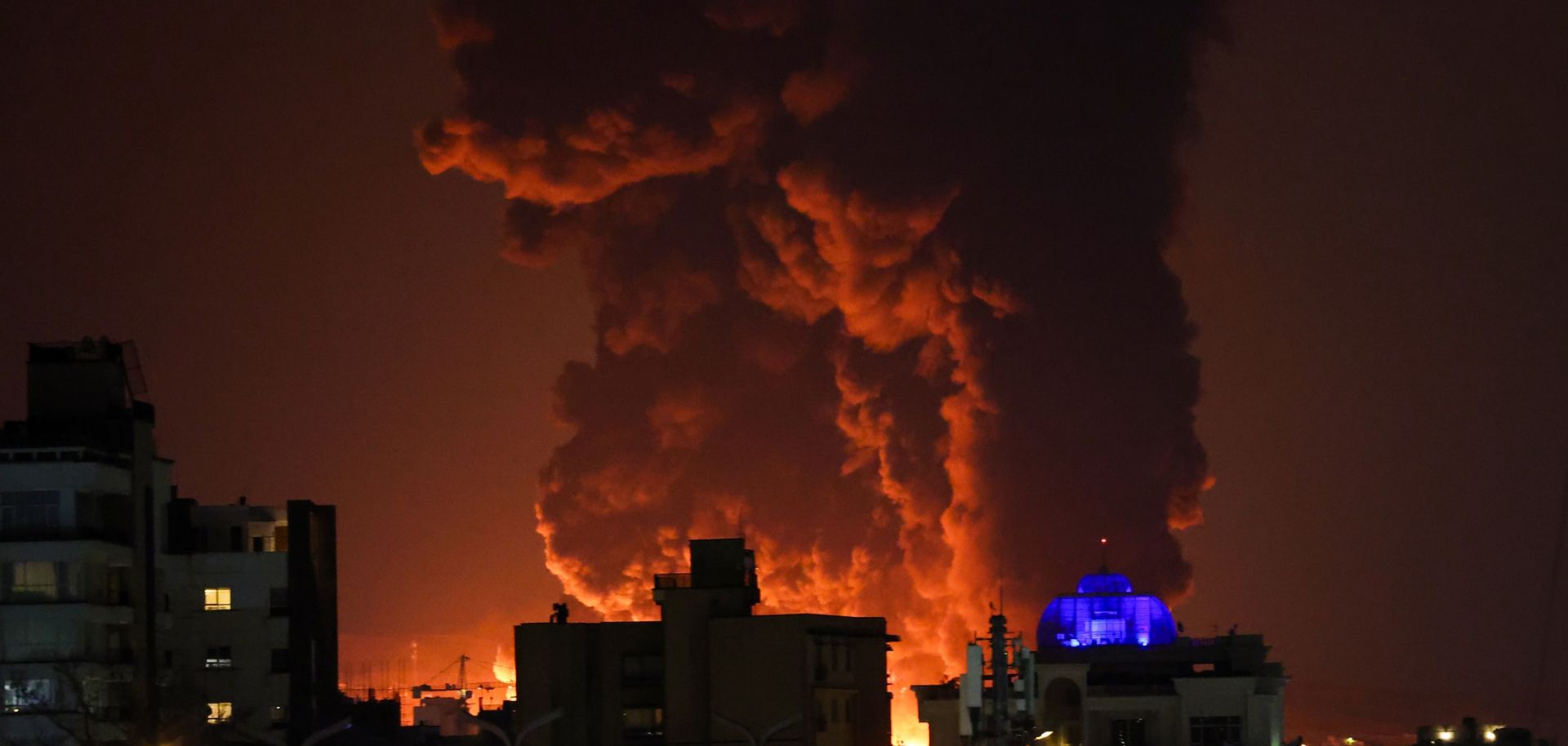
The Iran war continues. The Iran conflict will continue and Israel will likely escalate its strikes against Iranian regime targets and/or critical infrastructure to maximize pressure on Tehran amid growing economic and political pressure on the United States to end the war. Iran will retaliate throughout the region against U.S. military, commercial and energy targets, although likely in proportion to U.S. and Israeli strikes. Meanwhile, Iranian mining of the Strait of Hormuz and attacks on commercial shipping near the strait will further disrupt maritime traffic, fueling additional oil production cuts and pressuring Gulf countries to rely on alternative export routes, when available.
An EU summit tackles energy, trade and Ukraine. EU leaders will meet March 19-20 in Brussels for a summit initially set to focus on competitiveness but now set to be dominated by various mounting emergencies, including the Ukraine financing impasse, new U.S. tariff investigations following the recent U.S. Supreme Court ruling on International Emergency Economic Powers Act tariffs, and the fallout from the Iran conflict and emergency options to contain the resulting surge in energy prices. The commission will present options such as Emissions Trading System supply-rule adjustments, state-aid flexibility and other short-term measures — including a potential new natural gas price cap — to ease industrial power-price pressures without reopening the bloc's overall emissions cap. Competitiveness will still feature prominently, including via follow-ups on the recently proposed Industrial Accelerator Act and broader "Made in Europe" measures. Separately, European Parliament lead negotiators are due to meet March 17 to decide whether to restart work on the EU-U.S. trade framework ahead of a possible trade committee vote March 19 and a plenary vote March 26.
Japan's Takaichi meets with Trump. Japanese Prime Minister Sanae Takaichi will visit Washington to meet with U.S. President Donald Trump on March 19. The two are expected to discuss the implementation of their July 2025 trade deal, particularly expanded Japanese investment in the United States. Takaichi aims to keep Japan's relationship with its top defense partner and a key trading partner strong, particularly as her concerns about Chinese aggression regarding Taiwan and economic coercion against Japan grow, making U.S.-Japan cooperation on critical minerals and supply chains likely. She will also discuss ways to address the security and energy supply threats posed by the ongoing U.S.-Iran conflict, with Trump likely to pressure her to deepen U.S. energy purchases and perhaps even assist with a U.S.-led escort mission for commercial ships in the Strait of Hormuz. Takaichi will meanwhile subtly push for an end to the conflict, which is jeopardizing her plan to boost consumer spending and economic growth.
Chinese and U.S. trade teams meet in Paris. U.S. Treasury Secretary Scott Bessent will meet with Chinese Vice Premier He Lifeng in Paris from March 15-16 for preliminary trade negotiations ahead of a planned March 31 to April 3 meeting between U.S. President Donald Trump and Chinese President Xi Jinping in Beijing. Key obstacles persist, however, with Trump preferring to negotiate directly with Xi in Beijing and Xi desiring a finalized deal ready for signing before Trump arrives. Moreover, the U.S. team is focused on securing Chinese purchase agreements for U.S. energy, aircraft, automobiles and agricultural products, while the Chinese team is more focused on investment agreements. Both sides aim to insulate themselves from export curbs, including U.S. restrictions on chips and Chinese restrictions on rare earths, but there has been little evidence of progress on this front. The meeting will also provide insight into the extent to which Beijing will condition a Xi-Trump deal on a U.S. commitment to curb engagement with Taiwan, though such a commitment is unlikely.
Recommended Reading
Strategic Risks and Political Hurdles for a U.S. Ground War in Iran
Limited commando raids are Trump's most viable option, as larger ground incursions in Iran would face severe logistical, political and strategic risks and remain unlikely without a major shift in regional and U.S. domestic support.
The Promise and Limitations of Canada's Push to Diversify Strategic Partnerships
Canada's push to deepen economic and security ties with India, Australia and Japan faces constraints and may inadvertently strengthen the U.S.-led regional structure Ottawa is trying to hedge against.
North Korea's Party Congress Points to Diplomatic Window of Opportunity
Kim Jong Un's latest directives suggest a willingness to pursue high-level negotiations with the United States and China in pursuit of critical economic concessions.
Podcasts
Visit the podcasts page to hear conversations about geopolitical and risk intelligence.
