
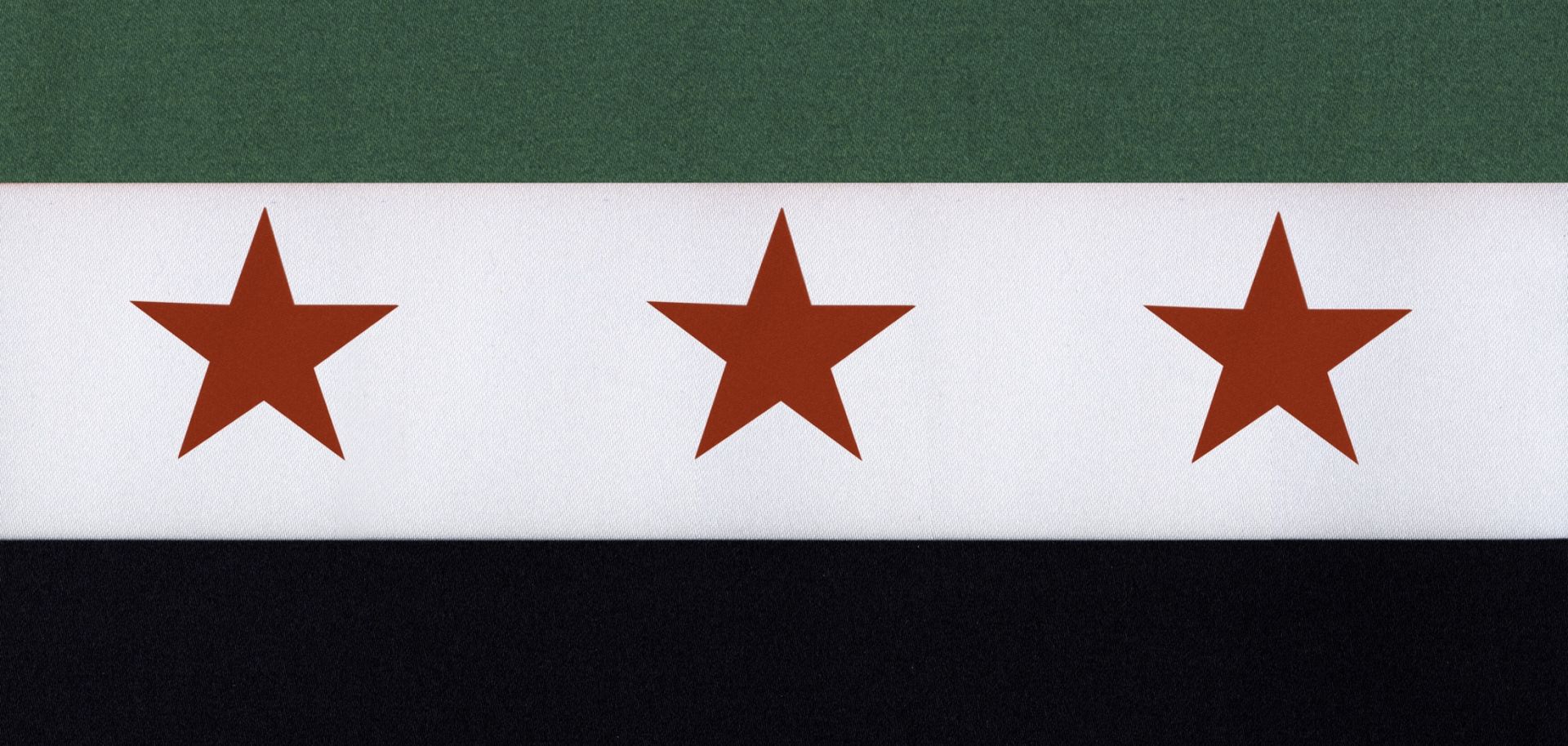
Syria's parliamentary elections will likely consolidate the transitional government's authority and entrench Islamist-aligned governance. However, the vote is unlikely to foster minority integration, which means Syria will likely face more insurgencies that deepen fragmentation and set back national unity. On July 27, Syria's transitional government announced that it would hold its first parliamentary elections between Sept. 15 and 20. The parliament will expand from 150 seats to 210, with a third of those seats appointed by interim President Ahmad al-Sharaa. Local councils will vote on the rest of the seats indirectly through an electoral college system constitutionally established throughout the provinces. The government said even areas like the Kurdish northeast and the Druze southeast would be allocated seats, and that foreign election monitors would be invited in to monitor the entire process. Meanwhile, a Syrian government official said on July 27 that Sheikh Hikmat Al-Hijri, one of the Druze community's spiritual leaders and an opponent of the transitional government, formally demanded the establishment of an autonomous Druze zone in southern Syria. The reported demand came less than a week after a fragile ceasefire ended violent clashes between the Druze and Sunni Bedouin fighters in and around the southern city of Sweida. The ceasefire followed Israeli military intervention on behalf of Al-Hijri's militia, including warning strikes on the Syrian Ministry of Defense and presidential palace in Damascus after Syrian authorities deployed the armed forces to Sweida.
- Syria has experienced periodic upticks in violent unrest since the collapse of former President Bashar al Assad's regime in December 2024 and the establishment of a transitional government. In March, armed remnants and loyalists of the ousted al Assad regime launched coordinated attacks across Latakia and Tartus, targeting security checkpoints and government security forces' positions. Counterattacks led by forces affiliated with the transitional government led to thousands of deaths and injuries, mostly impacting civilians, according to a Reuters investigation released on June 30.
- Between July 13 and 21, violence erupted between Druze militias and Sunni Bedouins in the Druze-majority city of Sweida, following tit-for-tat kidnappings that spiraled into brutal sectarian warfare. Druze militias and Sunni Bedouin fighters engaged in heavy combat, leading to widespread extrajudicial killings of civilians — with over 1,300 fatalities and an estimated 176,000 people displaced by late July. Government forces briefly deployed, then withdrew, with Israeli airstrikes targeting Syrian government positions in defense of the Druze on July 16.
Syria's planned parliamentary elections continue al-Sharaa's attempts to stabilize the country, solidify his power and move toward writing a new constitution. Since the fall of al Assad, al-Sharaa has attempted to unify Syria, balancing a need to appease Islamist factions that helped put him in power with a need to ensure broader national stability; Syria's fractious social and political divisions spurred a violent uprising by pro-Assad Alawite factions in early 2025. To try to achieve both goals and forestall additional outbreaks of violence, al‑Sharaa repealed the Baathist-era constitution and initiated a "constitutional declaration" process, as well as formalized a five-year interim constitution granting him sweeping executive powers — including appointing ministers and legislators and eliminating the premiership. In March, he also established a national dialogue conference to oversee transitional justice, constitutional reform and national unity, while condemning Israel's military presence in the south and calling for Syrian sovereignty. As part of this process, he formed a 23-member transitional Cabinet mainly composed of technocrats, though key portfolios remained with his loyalists. The Cabinet included minority representation in less important positions, such as an Alawite transport minister, a Druze agriculture minister and Syria's first Christian woman minister.
- Syria has not held free elections in parliament since 1961. After 1963, the Baathist party dominated the country's politics, leaving Syria without a functioning civil society or democratic tradition for decades.
- The new parliament is intended to oversee Syria's constitutional rewrite and will also nominally be given the authority to revise swathes of regulations, legislation and foreign relations after fifty years of al Assad's rule. Al-Sharaa's Islamist Hayat Tahrir al-Sham group — which led the rebels in Syria's civil war and now rules the country — previously controlled Idlib province through an authoritarian, if comparatively moderate, government called the "salvation government," under which no elections were held.
- The Kurdish northeast and Druze southeast are currently largely autonomous zones. Despite ongoing withdrawals, the United States still protects the northeast via hundreds of troops stationed in Syria that cooperate with Kurdish militias to fight Iranian-backed groups and the Islamic State. Additionally, Israel's recent intervention has made the Druze even more autonomous.
A likely victory for candidates who support al-Sharaa will enable the president to tighten his control, combat internal challenges and further amend the constitution to accommodate Islamist factions in the coming months. The electoral process itself, governed by the interim constitution passed in March, will limit direct public participation. Two-thirds of parliamentary seats will be filled through indirect voting via local councils, many of which are aligned with or depend on the central government. This system will ensure that political pluralism remains constrained, while also providing the government a mechanism to manage opposition and co-opt influential local figures under the guise of electoral inclusion. Against this backdrop, al-Sharaa will likely secure a friendly majority in September's elections through a combination of Sunni electoral dominance, with the likely participation of technocrats and local community figures, and his authority to appoint one-third of parliamentary seats. The political landscape remains shaped by Sunni constituencies, and most incoming members will likely either explicitly support or broadly align with al-Sharaa's vision of reconstructing Syria as a Sunni-majority-led state. This likely electoral outcome will enable al-Sharaa to further solidify his control, contain intra-Sunni competition and/or opposition from hardline factions, and amend the constitution to further accommodate Islamists, particularly those within his coalition of Sunni factions.
However, this political consolidation is unlikely to translate into national reconciliation or the meaningful integration of Syria's minority communities. Druze, Alawites, Christians, Shiites and Kurds will likely grow increasingly skeptical of al-Sharaa's transitional government, given the recent violence in Sweida and the likely marginal participation of those minorities in the elections and national decision-making. While al-Sharaa's reliance on maintaining favorable ties with the West, especially the United States, will likely incentivize the inclusion of some minority representatives to project an image of pluralism, their presence in parliament will remain largely symbolic, with little influence over the transition process. Additionally, there will be structural obstacles to minorities organizing themselves to become influential players, such as fragmented minority leadership, limited political organization and an ongoing divide within Syria's security forces dominated by competing militias. As a result, minority populations will likely experience deepening insecurity, political alienation and minimal participation in shaping the post-Assad order.
- Following the July clashes between the Sunni Bedouins and the Druze, Kurdish officials stated that it was not yet time to discuss Kurdish armed groups laying down their arms in Syria, despite earlier reports of progress in integrating Kurdish armed groups into the Syrian armed forces.
Syria will likely witness further insurgencies from minority groups, continued fragmentation within the security apparatus and a stalled path toward genuine national unity, especially amid international intervention. With minorities feeling increasingly insecure given the transitional government's actions, or in some cases lack thereof, there will continue to be an elevated risk of minority-led armed insurgencies, particularly with armed Druze factions, Kurds and Alawites. Israel will look to compound this instability by continuing to intervene in Syria militarily to divide and weaken the country, as Israeli leaders continue to distrust the presence of an Islamist-led Syria on their northern borders. Israeli operations will further undermine Syrian sovereignty and stability, a significant concern for al-Sharaa as he attempts to kickstart economic recovery and reconstruction with widespread Western sanctions relief and foreign investment. Meanwhile, Israeli intervention and the Syrian government's actions in Sweida will likely convince Kurdish armed groups to reinforce their position on autonomy and armed resistance, further complicating al-Sharaa's attempts to unify Syria. Unless significant U.S. diplomatic pressure successfully restrains Israeli actions and moderates Kurdish ambitions — something that has yet to materialize — Syria's divisions will deepen.
- Although a wave of Western sanctions relief offers Syria the promise of recovery, the presence of persistent insurgencies, Israeli military interventions and militia fragmentation will likely stall stabilization and ensure that Syria's path to economic and political recovery remains slow and uncertain. Additionally, despite reduced sanctions, potential investors will face reputational and compliance risks over issues like human rights violations and links to extremist groups.
- The transitional government's likely slow economic recovery efforts will maintain risks of social unrest. Anti-government sentiment will embolden militias — even al-Sharaa's Sunni hardline factions — to seek greater autonomy, fuel riots and pursue federalization. These goals will inadvertently align with Israel's aim to weaken Syrian national unity.
- The United States and Turkey have been jointly pressuring the Kurdish-led Syrian Democratic Forces to accept political and military integration into the transitional state framework. Failure to comply would increase the likelihood of Turkish cross-border strikes and further marginalize Kurdish autonomy.
- A Syrian government-linked attack on four positions held by the SDF in Aleppo province on Aug. 4 highlights the risk of conflict rather than integration with the Kurds. In response to the attack, the SDF said, "We hold the Damascus government fully responsible for this behaviour, and reaffirm that our forces are now more prepared than ever to exercise their legitimate right to respond with full force and determination."
- Over time, Turkey, al-Sharaa's key backer and security guarantor, will likely clash with Israel in Syria. While Turkey, aligned with Gulf states, seeks to unify Syria under al-Sharaa and serve as its main military and economic partner, Israel aims to fragment Syria along sectarian lines to keep it weak. This will, over time, raise the risk of Turkish intervention if Israeli actions threaten al-Sharaa's rule, potentially escalating violence, with Turkey likely backing pro-government forces.
