
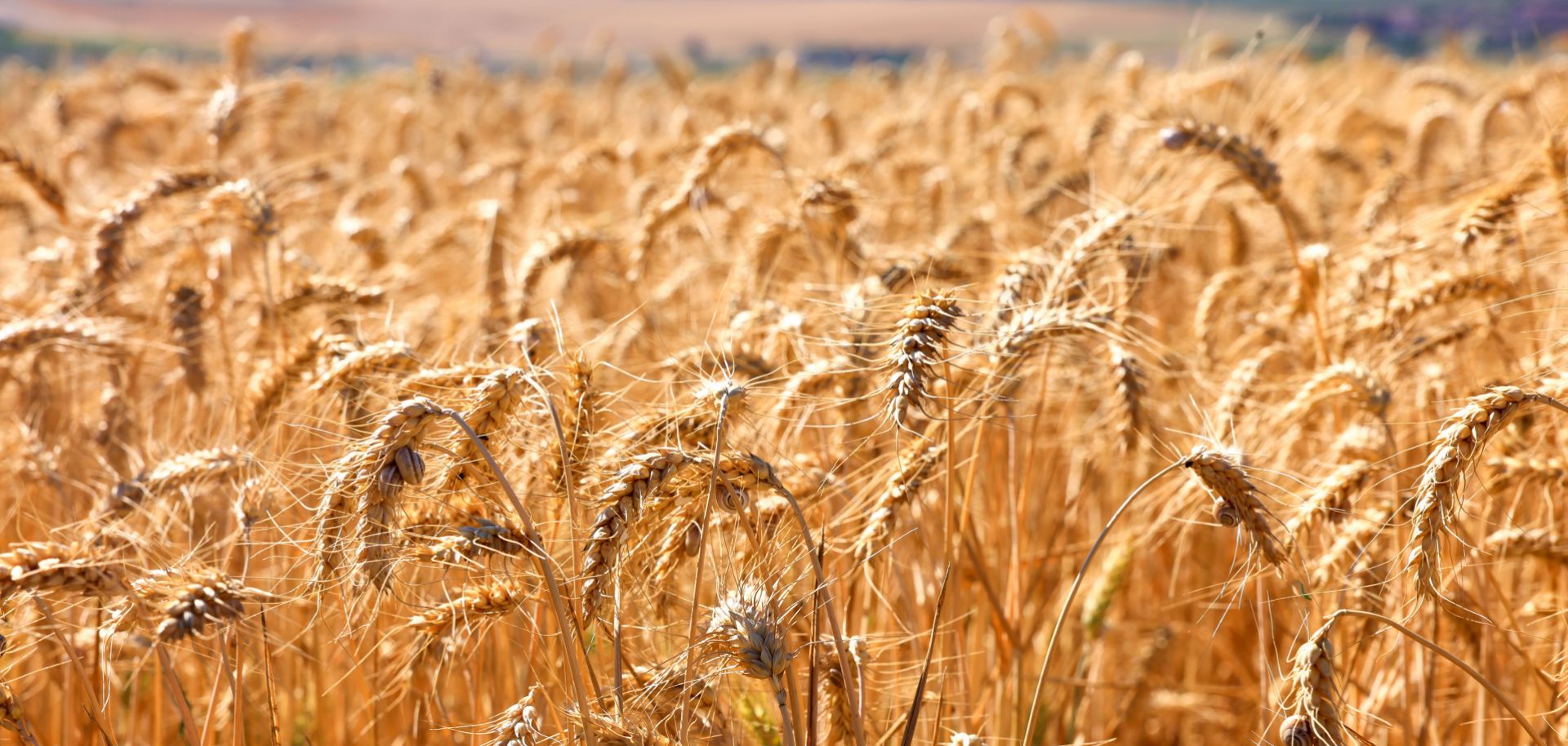
Extreme weather patterns in Turkey will likely result in short-term decreased agricultural yields and increased food prices, but as long as these weather events remain localized, the government is unlikely to take measures to ease farmers' debts. Extreme weather in Turkey in recent weeks, including heavy rain, hailstorms and high temperatures, has damaged significant portions of the country's agricultural sector, with some farmers reporting that they will only be able to harvest a quarter to a half of the amount they typically produce. For example, in the Aegean region's Manisa province — where 35% of gross income comes from agriculture and where farmers cultivate the majority of Turkey's grapes, cotton, olives and tobacco — climate change has caused unseasonably warm winter temperatures. This heat stress is likely to lower the quality and yield of grapes, resulting in bitter wines and, in the most severe cases, killing the grapevines. In another example, a mid-June hailstorm followed by heavy rains in the northwestern winemaking province of Kirklareli damaged wheat, barley and sunflower fields, as well as fruit trees.
- The president of Kirklareli's Chamber of Agriculture estimated that the inclement weather damaged around 80,000 acres of the province's 556,000 acres of cropland.
- On June 20, an overnight wildfire burned through several villages in the predominantly Kurdish southeastern region of Turkey, killing at least 11 individuals and around 500 goats and sheep, significantly reducing livestock yields from the remaining flock.
Despite the government's financial and rhetorical support for farmers, subsidies have not kept up with operating costs and extreme weather events that jeopardize crop yields. In 2022, Turkey's agricultural sector comprised 5.8% of the country's gross domestic product and cultivated a record-high volume of exports valued at $34.2 billion. Since then, the government has attempted to increase the number of jobs in the sector, which employs around 16% of Turkey's workforce, to improve economic stability and strengthen Turkey's food security. For instance, to combat the effects of Turkey's high inflation on farmers, the Turkish Ministry of Agriculture and Forestry's budget for support to farmers increased by 44.5% in 2024, reaching $2.9 billion. The ministry hoped these funds would reduce the scale of farmers' debt to banks, which rose by more than 80% in 2023 due to the gap between state aid and operating costs, according to a report by the Union of Turkish Chambers of Agriculture. However, many Turkish farmers still took out loans to cover operating costs in 2024 amid inflationary pressures. Meanwhile, extreme weather events that scientists attribute to climate change have threatened Turkish farmers' crop yields due to high temperatures and strong winds that create optimal conditions for wildfires, irregular rainfall and damaging hail.
- Between January and March 2024, Turkey's agricultural exports totaled $9.3 billion, an 8.6% increase from the same period the previous year. The sector's value has more than doubled from $24.48 billion in 2002 to over $56 billion in 2022.
- In May 2024, Turkish President Recep Tayyip Erdogan unveiled a project to add 20,000 agricultural jobs by establishing financial incentives, including increased interest discounts for first-time farmers and loan limit increases for equipment and livestock.
- In 2023, Turkey's General Directorate of Meteorology reported a record high of 1,475 extreme weather events compared with 1,030 and 1,024 events in 2022 and 2021, respectively. The Turkish government has reported an increase in extreme weather events over the past six years.
- Orhan Saribal, a farmer and member of parliament from the main opposition Republican People's Party, stated, "In 2004, the loans used for production in agriculture, forestry and animal husbandry amounted to 1.7 times as much as state aid. In 2023, the loans amounted to 9.6 times as much."
- Prices for agricultural diesel in Turkey increased by 76% year over year in 2023, and the cost of fertilizer rose by 25% the same year.
A lack of national organization and political incentives will make the government unlikely to take action to alleviate farmers' debt burdens for now, but more widespread extreme weather events could change Ankara's mind. In the short term, poor agricultural yields will likely increase domestic food costs, especially for fruits and vegetables, and decrease income for farmers in affected areas for the 2024 harvest. Agricultural organizations, such as chambers of agriculture and producers' associations, will likely pressure the Turkish government to declare afflicted zones as "disaster areas," which would require the government to provide financial support and encourage the government to restructure and defer farmers' debts to alleviate some economic pressure from a poor harvest. However, the impact of these calls will be limited by a lack of unity, as area-specific or crop-specific organizations will likely be farmers' primary advocates since recent extreme weather events have had largely localized effects. Additionally, many regions affected by extreme weather events, including Manisa and southeastern Turkey, are not strongholds of the ruling Justice and Development Party, or AKP, though Kirklareli is controlled by the AKP's alliance partner, the Nationalist Movement Party. As a result, the ruling alliance is not necessarily incentivized to appeal to local interests for political gains, making significant government intervention unlikely. However, if extreme weather impacts the Central Anatolia region, where the AKP has much stronger political influence, the AKP may make more assertive moves to appease farmers in order to keep their votes ahead of the 2028 election cycle. For instance, the government could increase the Ministry of Agriculture and Forestry's budget for subsidies and defer farmers' debt. The AKP would also grow more likely to act if the risk of social unrest increases significantly due to a nationwide jump in extreme weather events that cause large numbers of farmers to struggle to repay their debt.
- Further increasing subsidies for farmers would offset some of the effects of increased costs due to inflation, but the central government's efforts to cut public spending would likely constrain this potential policy.
- In Turkey's March 31 municipal elections, the AKP placed second in nationwide votes behind the main opposition Republican People's Party. As a result, the AKP replaced seven heads of provincial organizations and plans to gather mayors in July to discuss local governing strategies to appeal to local voters, especially in areas that the party lost in 2024. The AKP's appeals to local interests will likely increase ahead of the 2028 presidential and parliamentary elections.
