
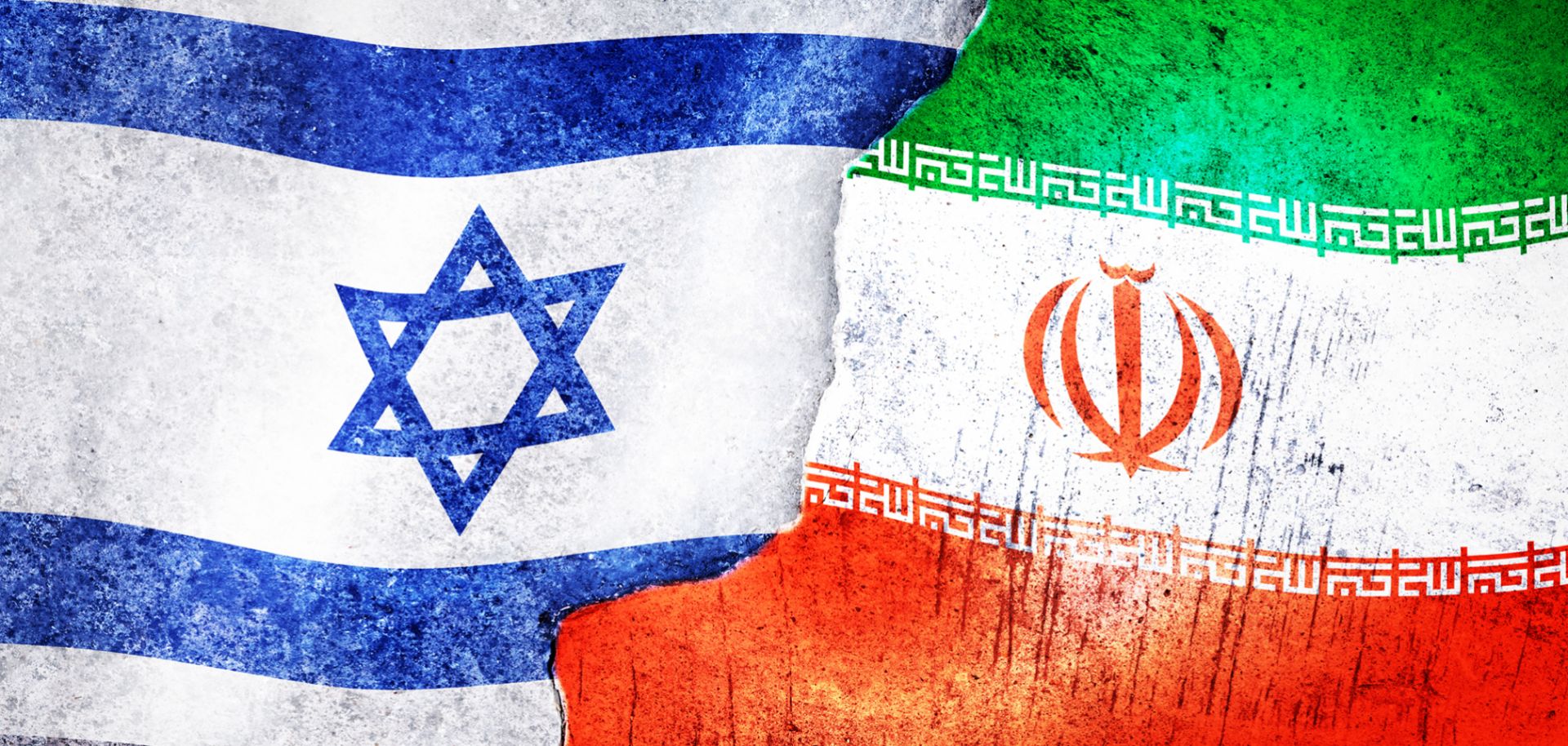
While Israel's modest attack against Iran and Tehran's decision to downplay it suggest a desire to avoid escalation, Iran's options for retaliation (including the use of proxies in the region to strike Israel or small attacks against Israel itself) mean that the risk of a broader conflict remains heightened. Israel launched an attack against an Iranian military air base in the city of Isfahan in the early hours of April 19, with some sources, including the Jerusalem Post, reporting that Israel used missiles fired from fighter jets over Iraq, while others, including local Iranian media, suggested that it was a quadcopter drone attack. Iranian air defenses were reportedly activated in the city, with Iranian officials claiming that their defenses shot down the drones before they succeeded in causing any damage. Local journalists have reported that the target was the Tactical Air Base (TAB) 8 near Isfahan, where some of Iran's F-14 Tomcat fighters are located. Two Israeli officials confirmed that Israel was behind the attack and that the U.S. administration was notified of the strikes. Iranian authorities suspended flights in and out of Tehran, Isfahan and Shiraz for a few hours before and after the strikes; Tehran also closed western Iranian airspace. Simultaneously, local Syrian media reported that Israeli strikes targeted a radar facility in southern Syria's As-Suwayda governorate. Finally, local sources reported on heavy fighter jet activities over Iraqi airspace, notably over Erbil and Baghdad.
- Iranian news outlets have downplayed the attack, claiming it was a humiliating failure for Israel while at times rejecting claims that there was an attack at all.
- Israel has launched similar attacks against Iranian military workshops in Isfahan using small quadcopter drones in May 2021 and again in January 2023.
Israel's attack is a symbolic show of force that signals that Israel can reach Iranian territory without needing mass barrages of missiles while also seeking to avoid a large response from Iran that would escalate the conflict. Iran's unprecedented April 13 attack on Israel forced Israel to calculate its reprisal to avert another large Iranian response, especially as the United States seeks to avoid being dragged into a wider regional confrontation with Tehran and its proxies. Even though Israel's strike was on a smaller scale, it seemed to match the level of Iran's April 13 attack in terms of the negligible damage caused. Israel's actions on April 19 are meant to communicate to Tehran that Israel can strike and damage Iranian military assets inside the country if provoked again. The targeted military air base is in close proximity to the Isfahan nuclear facility, an additional Iranian asset that Israel aimed to caution Iran about through this strike. At the same time, Iran has downplayed the attack, likely to portray Israel's attack as a failure while also signaling Tehran's intent on restraint to avoid a wider escalation with Israel, other regional actors and the United States. In the same vein, Iran likely does not want to distract the region and the world from the ongoing war in Gaza.
- The Biden administration has told the Israeli government on multiple occasions that escalation with Iran does not serve U.S. and Israeli interests, urging the Israelis to restrain their reprisal.
- Israeli officials, including far-right minister Itamar Ben Gvir, have criticized the Israeli response to Iran's attack, signaling that some Israeli officials are dissatisfied with the response and might demand further follow-up strikes against Iran.
- A follow-up Israeli attack against Iran would almost certainly compel the Iranians to retaliate in a fashion similar to the April 13 Iranian strike, which involved more than 300 drones and missiles. This would likely further escalate regional tensions and involve other actors.
Iran's downplaying of the attack implies that Tehran will respond with relative restraint to avoid regional escalation if Israel does not follow up on its attack with additional strikes, potentially returning to the pre-Israel-Hamas war status quo of regional tit-for-tat exchanges. Israel's calculated and non-lethal attack will likely be met with a relatively restrained Iranian response. Since the Iranians have threatened to retaliate against any potential Israeli strikes, hardline Iranian political and military officials will try to push for a modest counter-attack. Iran will likely press its proxies to ramp up their attacks against Israeli targets and assets in the region. This will potentially play out on Israel's northern borders with Lebanon, where fighting has escalated in recent days. The Houthis and pro-Iran militias in Iraq could also ramp up their attacks against Israeli territories. Furthermore, Iran may press Iraqi militias to resume attacks against U.S. assets in Iraq and Syria, given that Iran will probably hold the United States responsible for not restraining the Israelis from attacking. Additionally, Iran could strike Israeli assets in the region, such as alleged Mossad centers and bases in a city like Erbil, as they have done previously, thereby returning to the pre-Israel-Hamas war status quo shadow war with Israel. This means that tit-for-tat military exchanges between Iran and its proxies against Israel will likely continue, with a constant risk of escalation as the conflict in Gaza drags on and Israel ramps up preparations for an offensive against the Hamas militant group in Rafah south of the Gaza strip. Finally, if Israel launches a greater attack on Iranian soil, which as of now appears highly unlikely, Iran may decide to launch a direct attack against Israel that would be small in scale and symbolic in a bid to maintain what Iranians now see as new rules of engagement with Israel where they directly respond to any Israeli strike against Iran.
- Iranian and Islamic Revolutionary Guard Corps (IRGC) officials and commanders have in the past week emphasized that any Israeli retaliatory attack will be met with a swift Iranian counter-attack on Israeli soil, more significant than the first.
- Iranian officials have told Reuters that there are no immediate plans to respond to the alleged Israeli strike as "it's unclear who is behind it."
- Local sources have reported that Iraqi militias have already started to blame the United States for allegedly refueling Israeli jets over Iraqi airspace.
