
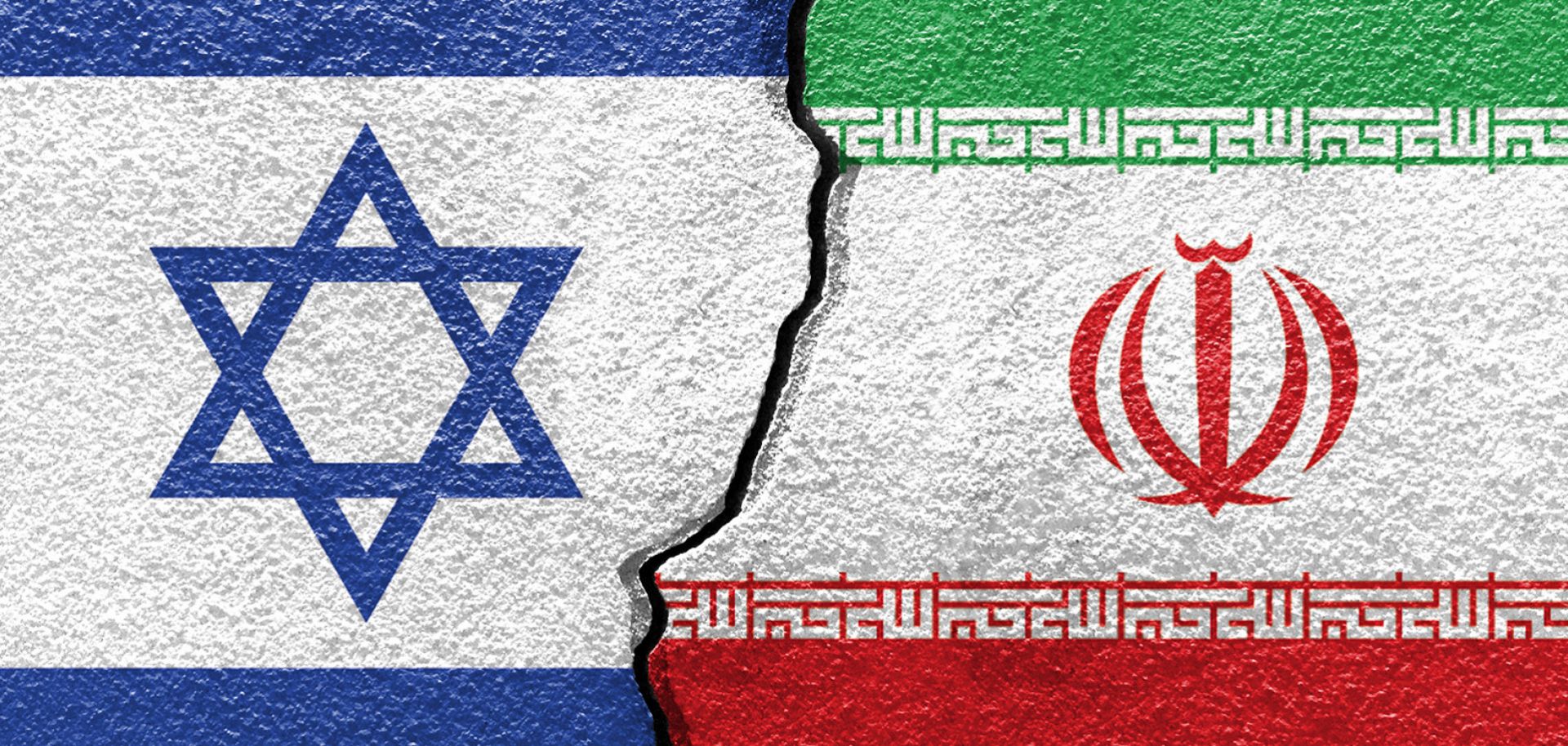
Iran's large missile and drone attack will prompt an Israeli retaliation that will focus on reestablishing deterrence and preventing future similar attacks on Israel, but in doing so, Israel risks expanding the conflict, further sinking the region into turmoil and possibly dragging in the United States. The Islamic Revolutionary Guard Corps launched several waves of attacks April 13 against Israeli targets using swarms of suicide drones and cruise missiles from Iran. Iran also claimed to have launched ballistic missiles in the attack, but these claims have not been confirmed. Red alert sirens were activated in Jerusalem, Tel Aviv the Golan Heights and Israel's south as Israeli air defenses engaged Iranian drones and missiles. The IRGC claimed in an official statement that the attack was in response to Israel's strike on the Iranian Consulate in Damascus that killed senior IRGC Quds Force commanders and officials. Iran-backed armed groups including Hezbollah, the Islamic Resistance in Iraq and Yemen's Houthis participated in the attack, launching drones and missiles toward targets in Israel. Israeli, U.S and British fighter jets appear to have shot down most of the Iranian drones over Iraqi and Syrian territory. Iran's mission to the United Nations issued a statement declaring that the Iranian attack against Israel was done under Article 51 of the U.N. Charter on the right to self-defense. The mission also announced that "the matter can be deemed concluded" hinting that Iran wants to avert a wider escalation, though it warned that an Israeli reprisal attack would compel Iran to respond more severely.
- Hezbollah claimed it launched barrages of Katyusha rockets toward the Kila airbase in the Golan Heights. The attack was likely a diversionary attack to distract Israeli air defenses from another attack by Iran-backed Iraqi militias.
- The Islamic Resistance in Iraq claimed in a statement that the group attacked the Kila airbase in the Golan Heights with a large barrage of rockets.
- The Jordanian army has shot down dozens of Iranian suicide drones bound for Israel over Jordanian airspace.
- Earlier during the same day, Iran seized MSC Aries, an Israeli-linked container ship in the Gulf of Oman close to the Strait of Hormuz.
Israel's military options include strikes on Iranian allies and proxies in Lebanon, Syria, Iraq and Yemen as well as targeting Iran itself. Israel's war Cabinet will authorize strikes designed to deter a repeat of Iranian direct attacks on Israel itself. Israel's response will be driven in part by the Israeli government's perception of the risk of overt conflict with Iran, the degree to which the United States supports the response and the Cabinet's perception of public support for the type of escalation against Iran. Israel can conduct intense airstrikes on proxies in Lebanon, Syria and Iraq, where it has conducted numerous attacks before, with an increased focus on IRGC assets and officials, and which may extend to more strikes on Iranian diplomatic facilities like the April 1 Damascus strike. It may also extend strikes against the Houthis in Yemen and/or against Iranian personnel stationed there, though such strikes would likely need U.S. backing. Israeli may also consider strikes against Iran itself, particularly the launch sites and infrastructure associated with the April 13 attack, but such an operation would be logistically challenging for the Israeli Air Force, would require the cooperation of the United States and may need multiple rounds of strikes before infrastructure is sufficiently impacted to the point where the Israeli government believes deterrence has been reestablished.
- Israeli airstrikes on Iran-linked targets in Syria typically come in isolated strikes against specific targets. In an escalation, Israel could carry out a multiday, more intense campaign designed to hit multiple targets in quick succession.
- Israel's campaign in Lebanon has steadily expanded to more targets deeper inside the country, but has nevertheless focused on responding to and deterring Hezbollah attack rather than carrying out a major air sortie against the group. In an escalation, Israel may expand its target set to include top Hezbollah political officials, more targets inside sensitive areas like Hezbollah-held Bekaa and might even include limited ground operations designed to signal that Iranian attacks on Israel could trigger an Israeli invasion of Lebanon.
- Israel carried out limited airstrikes in Iraq in 2019 to strike Iranian-backed militias there, but has largely refrained from continuing such attacks in part because of U.S. opposition to their effects on Iraq's stability. In an escalation, Israel may gain U.S. backing to restart such strikes against some of the militias that Israel sees as responsible for launches on April 13.
- Israel's military options are not only limited to air and drone power but also potentially to the Jericho II and III ballistic missiles, which were developed in response to Iraqi Scud missile attacks on Israel during the 1991 Gulf War. Israel has not deployed such ballistic systems in warfare but may use them as part of their response. Israel also has cruise missiles that could be part of its response, which are land-, air- and sea-launched.
If Israel retaliates against Iran itself, the level of support from the United States and other countries will be crucial to determining whether the crisis escalates beyond just Israel and Iran. Ahead of and amid its retaliation, Iranian officials made it clear that if the United States — or any other regional country — aids in Israel's response, they will become legitimate targets. The United States is likely to quietly push Israel to limit its retaliation in an effort to keep the crisis from escalating, but Israeli retaliation on Iranian territory involving Israeli fighter jets might demand U.S. aerial refueling support. Should the United States facilitate the response in any fashion, Iran and/or Iranian-backed Iraqi militias would likely resume strikes on the U.S. military presence in Iraq and Syria and potentially elsewhere in the region, such as in the Persian Gulf or in Gulf countries. Iran and its allies may interpret the U.S. involvement in striking down Iranian drones over Iraq heading to Israel as getting involved in the conflict and as grounds to resume strikes on the United States. Amid the Iranian response in Israel, there were unconfirmed explosions reported near the U.S. Consulate in Arbil in the Kurdistan Region of Iraq, which could be a signal from Iran or Iraqi militias to the United States that they are willing to resume attacks on U.S. forces, which have not occurred since Feb. 4 after the crisis between Iran and the United States erupted following an Iraqi militia drone strike that killed three U.S. soldiers.
- Iran's direct attack on Israel shattered the status quo and rules of engagement that have defined Iran and Israel's shadow war for two decades, increasing the likelihood of another crisis involving the two countries militarily striking each other again. Prior to Israel's attack on an Iranian consular building and Iran's retaliation against Israel, Iran and Israel since 2006 avoided directly striking each other and instead operated through proxies and covert activity to target one another. With the Damascus attack, Israel has made it clear to Iran that it is willing to target Iranian diplomatic sites and, potentially with its retaliation, Iran with kinetic military action. Iran has demonstrated that it is willing to do the same in Israel, going beyond just an attack on a disputed region like the Golan Heights to carry out strikes throughout most of Iran. Their activity effectively normalizes the acceptability of strikes one on another, potentially increasing the likelihood either country will select this option again.
- Quoting an Iranian military source, Iran's Fars News Agency said that Tehran was monitoring Jordan's activities closely. Air defense systems reportedly shot down drones over its territory, opening up the door that Iran may, much like it may with the United States, consider Jordan's shooting down of any drones as aiding Israel against Iran if Jordan shot the drones down.
