
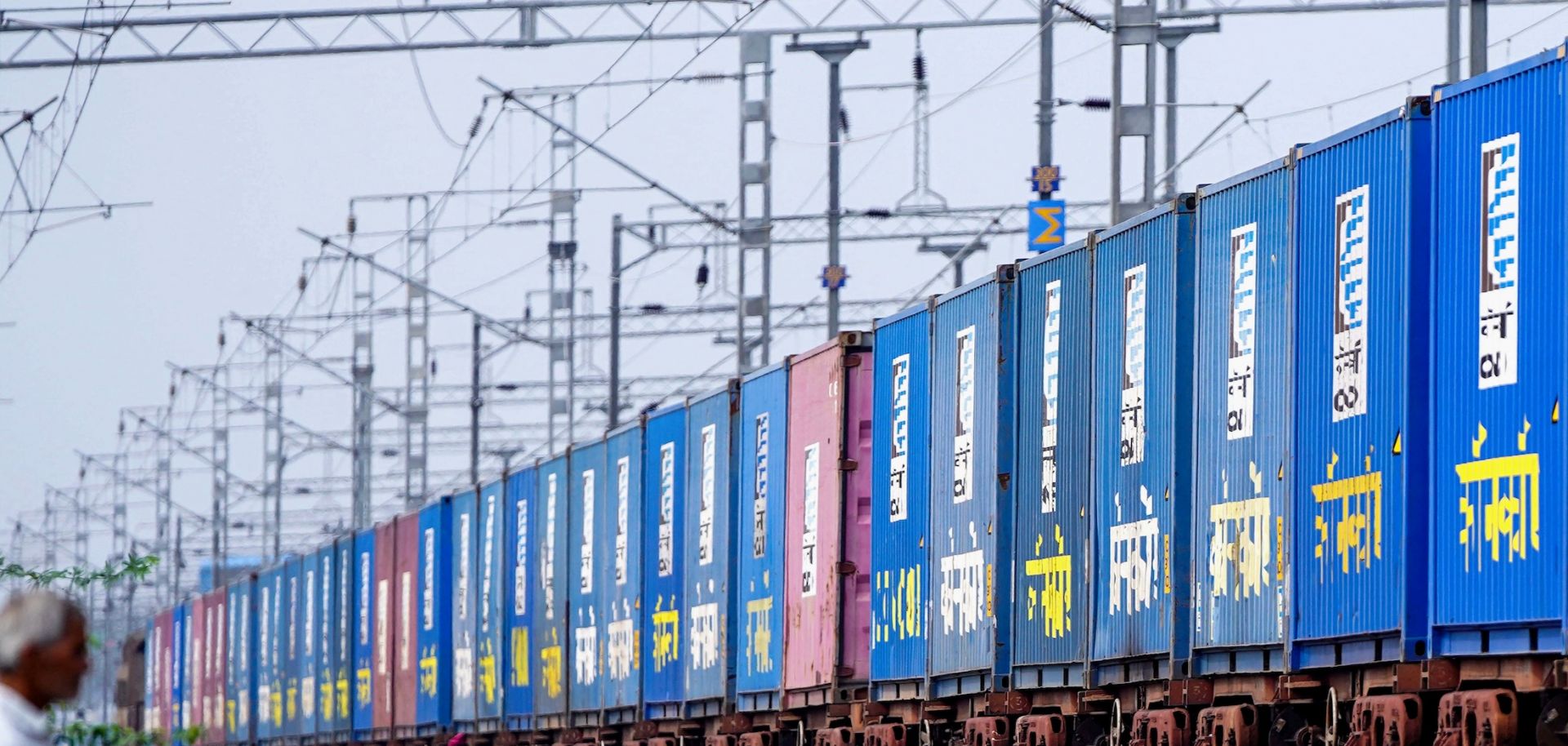
India is cautiously easing select investment and import restrictions with China to address critical shortages, while maintaining safeguards and limiting sensitive exposure. However, relations are unlikely to extend beyond low-level confidence-building measures due to enduring structural and security tensions. On March 27, the Indian government allowed some state-owned companies, including Bharat Heavy Electricals and the Steel Authority of India, to import certain critical equipment from China, helping state-run power and coal companies address shortages and project delays. The decision came weeks after India's Cabinet on March 10 partially eased restrictions on foreign investment from neighboring countries sharing a land border. While the countries affected by this policy also include Pakistan, Bangladesh, Nepal, Myanmar, Bhutan and Afghanistan, the practical impact is most significant for China because of the size of its economy and its very large amount of capital available for investment compared to other neighboring countries.
- Under the rules issued on March 27, Bharat Heavy Electricals can source 21 types of critical equipment from China, while the Steel Authority of India and other state firms can import select components and coal-gasification equipment. Meanwhile, the March 10 changes allow investors from land-bordering nations to hold up to 10% non-controlling ownership in Indian firms without prior government approval. Additionally, the government established a fast-track 60-day approval window for larger investments in critical manufacturing sectors (such as electronic components, solar inputs and capital goods), provided that majority control remains with Indian entities.
India's decision to relax these restrictions follows years of strained relations with China and builds on recent incremental thaws, including streamlined business visas, the restoration of direct flights and selective approvals for critical imports. These new measures ease restrictions imposed after the deadly mid-2020 border clashes in the Galwan Valley, which drove India-China relations to their lowest point, as well as those introduced during the COVID-19 pandemic to prevent what India described as "opportunistic takeovers" of domestic companies during a period of economic vulnerability. Other restrictions that still remain in place include curbs on Chinese involvement in sensitive sectors, such as major infrastructure and telecom projects, as well as expanded digital and data security measures that tighten oversight of Chinese technology firms and restrict their access to public procurement. In addition, India has banned over 200 Chinese apps, including TikTok, citing national security concerns. Relations remained largely frozen for years, as multiple rounds of military and diplomatic talks failed to produce a breakthrough. However, in October 2024, the two sides agreed to new border patrolling protocols and partial troop disengagement in eastern Ladakh, helping stabilize ties and reopen the door to engagement. Since then, both countries have taken modest steps toward normalization. In December, India streamlined business visas for Chinese professionals by reducing scrutiny and shortening approval times to under a month. In October, both restored direct flights. The same month, India's foreign ministry confirmed that several Indian companies had been granted licenses to import rare earth magnets from China. India's modest policy shift also reflects persisting gaps between its long-term goal of reducing dependence on China and its immediate economic and technological needs. Post-2020 restrictions limited Indian firms' access to Chinese capital, components and engineering expertise, which are often cheaper and more readily available than alternatives. This created constraints in sectors such as electronics, power equipment and renewable energy, where domestic capacity remains underdeveloped and non-Chinese suppliers are either more expensive or slower. As a result, projects have faced delays and rising costs, complicating India's efforts to expand manufacturing and infrastructure.
India will likely continue modest engagement with China, though structural constraints will likely limit the scope for significant rapprochement. India's decision to ease select investment and import restrictions reflects a cautious attempt to stabilize economic ties with China, but structural tensions will continue to limit the scope for a broader rapprochement. India's mistrust is rooted not only in unresolved border disputes, including China's claims over Arunachal Pradesh and ongoing disagreements over water sharing along the Brahmaputra River, but also in Beijing's broader military assertiveness in the South China Sea and around Taiwan. To India, China's aggressiveness threatens critical shipping lanes, undermines international norms and signals a broader expansionist strategy that directly complicates its security interests in the Indian Ocean. These concerns are bolstered by China's deepening defense relationship with Pakistan, which has included the use of Chinese-made fighter jets in confrontations with India, reinforcing New Delhi's threat perceptions. Against this backdrop, India is likely to continue pursuing low-level confidence-building measures rather than broad policy shifts. Such measures could include resuming border trade in locally produced goods by reopening designated trading points and selectively easing digital restrictions, such as reconsidering bans on certain Chinese apps. While these steps may support limited economic liberalization, strategic competition will likely remain a key principle of the relationship. Indeed, India is actively pursuing a parallel track aimed at strengthening its own strategic and economic autonomy. However, India remains dependent on Chinese industrial inputs and technical expertise to build its manufacturing base and integrate into global supply chains. This includes expanding domestic manufacturing, positioning itself as an alternative hub in global supply chains and deepening engagement in minilateral groupings such as the Quad and Pax Silica to counterbalance China's regional and global influence. Together, these dynamics suggest that India is likely to engage selectively with China to manage economic and operational needs while simultaneously pursuing long-term measures to reduce dependence and strengthen strategic resilience.
- Faster investment approvals in sectors such as electronic components, capital goods and solar cells could support joint ventures, expand domestic manufacturing and facilitate technology transfer. At the same time, New Delhi is maintaining key safeguards, as sensitive investments, such as controlling stakes in defense, telecom infrastructure, critical power equipment and advanced technology firms, still require government approval and security screening.
- China already supplies India with critical inputs such as fertilizers, rare earths and industrial equipment, but these flows have become more constrained as Beijing tightens export controls, particularly on fertilizers, in response to global supply disruptions linked to the Iran conflict and rising domestic demand. While it remains uncertain whether China will accelerate export approvals, facilitating these flows would help ease input shortages, support key sectors like electronics and clean energy, and advance infrastructure development.
- Starting April 1, India will require all internet-connected CCTV cameras, including those assembled locally, to receive clearance from the Standardization, Testing and Quality Certification Directorate, which will test the hardware origin, encryption and potential for remote access. This move targets major Chinese brands like Hikvision and Dahua, reflecting India's effort to reduce reliance on Chinese technology in sensitive sectors and limit Beijing's influence over its digital infrastructure.
