
What We're Tracking
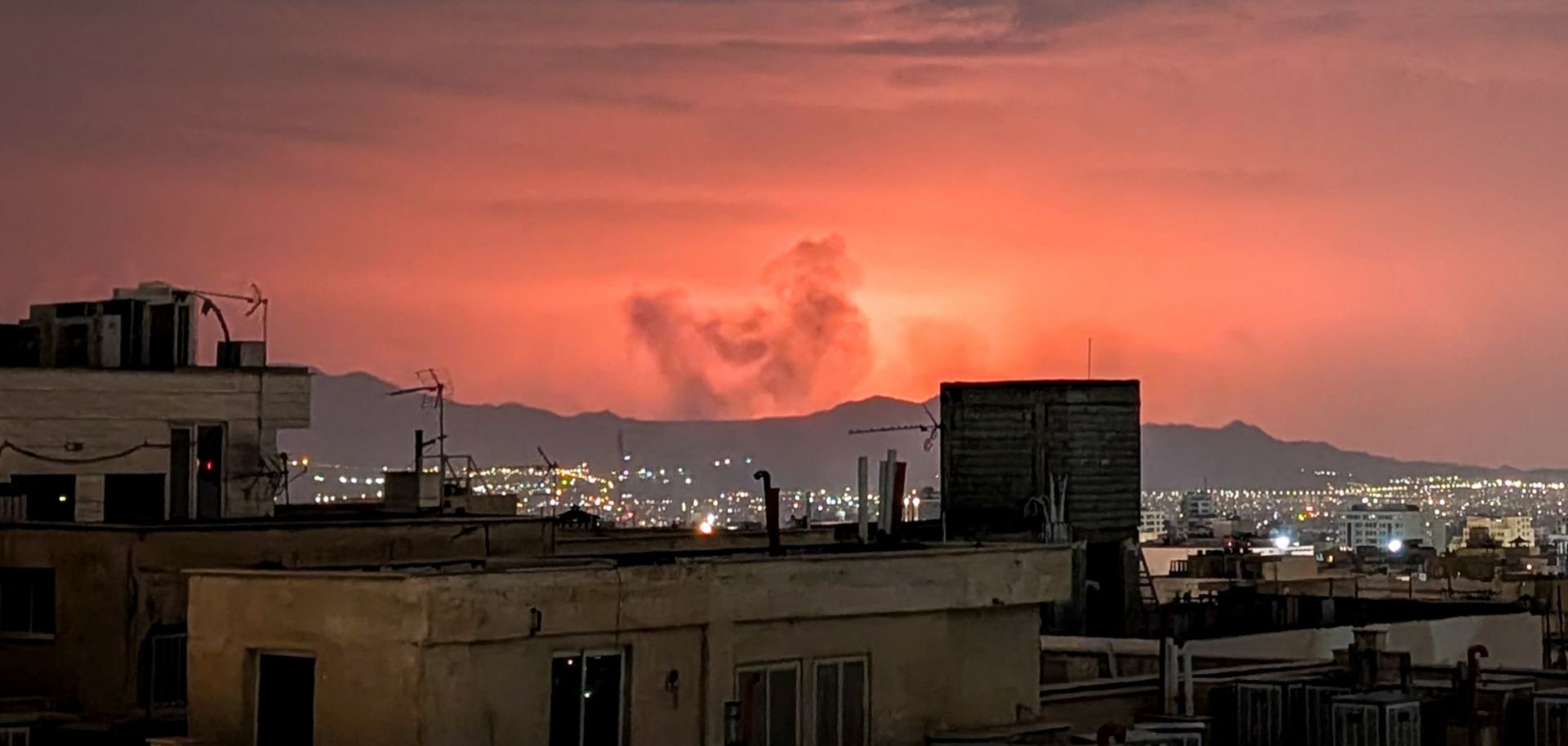
War in the Middle East continues. In the coming week, the conflict in the Middle East will persist. Despite a marginal decrease in the intensity of Iranian attacks compared with the first few days of the conflict, Tehran will likely continue a stable pace of drone and missile attacks against U.S. regional bases, Gulf economic and critical infrastructure, and Israel as the conflict rages on. Meanwhile, Israel and the United States will continue their high pace of attacks against Iran's military infrastructure, as well as political and military leadership. There is also a growing likelihood of a U.S.- and Israeli-backed Kurdish offensive against the regime in Iran. The conflict could still worsen if Yemen's Iranian-backed Houthis — who have until now remained on the sidelines — decide to join the war and launch missile and drone attacks in the Red Sea and possibly the Gulf. The persistence of the war in the coming week and the risk of further escalation will continue to disrupt international travel, energy supplies and maritime trade in the region and beyond.
European reinforcements to the Middle East continue. Several European countries will continue reinforcing military deployments to the eastern Mediterranean and the Middle East next week amid escalating Iranian strikes. The United Kingdom announced the deployment of a destroyer, helicopters to Cyprus and additional fighter jets to Qatar, while France has dispatched the aircraft carrier Charles de Gaulle to the eastern Mediterranean and pledged armored vehicles and logistical support for Lebanon's armed forces. Greece has deployed frigates and fighter jets to Cyprus and, together with France and the United Kingdom, has also moved air defense systems to the island. Spain, Italy and the Netherlands have signaled additional naval contributions, while Germany said it will not send further forces. The deployments reflect European efforts to protect regional bases and maritime routes while avoiding direct participation in the U.S.-Israeli offensive against Iran, though the growing presence of European personnel raises the risk of deeper involvement if further strikes target European-linked facilities. Separately, European Commission President Ursula von der Leyen will hold a video conference with Gulf leaders on March 9 to discuss the conflict's regional implications and coordination with the bloc.
U.S.-China trade talks in Paris. U.S. Treasury Secretary Scott Bessent and Chinese Vice Premier He Lifeng are due to meet in Paris, France, "late next week," potentially March 13-15, to discuss trade terms ahead of a planned visit by U.S. President Donald Trump to Beijing, China, to meet with Chinese President Xi Jinping from March 31 to April 2. The Paris meeting may provide more insight into the most likely outcomes of their later trade talks, but the actual signing of deals will likely be delayed until Trump's visit to Beijing. The talks next week are expected to focus on trade and investment terms, including potential Chinese purchases of U.S. energy, automobiles, aircraft and soybeans, Chinese provision of rare earths as well as the scale of bilateral tariffs. As with the last Trump-Xi meeting in South Korea in October 2025, there remains a key difference in negotiating style: Trump prefers to negotiate in person with Xi, while Xi wants to decide on all trade terms before their meeting. This difference could constrain deliverables.
Colombia holds elections as a new government takes office in Chile. Colombians will go to the ballots on March 8 to elect 102 senators (out of 108 seats) and 182 deputies (out of 188 representatives) and to pick presidential candidates for center, right- and left-wing coalitions. The country has 41.2 million eligible voters, and the legislative elections will likely yield another fragmented Congress, forcing the next president to form a coalition with centrist parties to govern. The country will hold a presidential election on May 31 and a runoff on June 21 if no candidate receives more than 50% of the vote. Given Colombia's decades-long armed conflict, attacks targeting the political process will likely occur but will not delegitimize the vote or destabilize the political system. In Chile, far-right President-elect Jose Antonio Kast will take office on March 11, representing a sharp shift vis-a-vis outgoing leftist President Gabriel Boric. His first announcements will likely include public spending cuts, heavy-handed security policies and stricter immigration rules.
Recommended Reading
The Iran War Will Last as Long as U.S. Political Resolve Does
The war will most likely end in a tenuous ceasefire in the coming weeks, though a faster or slower truce is possible, depending on the U.S.'s political resolve to maintain its campaign against Iran.
Ukraine War Enters Its Fifth Year, With No Near End in Sight
Russia's ability to sustain its war efforts despite mounting economic strain, combined with the U.S.'s new focus on Iran, makes meaningful progress in peace talks unlikely anytime soon.
How Will the Iran War Impact the World's Oil and Gas Supplies?
Although most of the Middle East's crucial oil and gas assets have so far been spared, a prolonged conflict would raise the risk of material supply disruptions and price shocks, particularly for LNG markets.
Podcasts
Visit the podcasts page to hear conversations about geopolitical and risk intelligence.
