
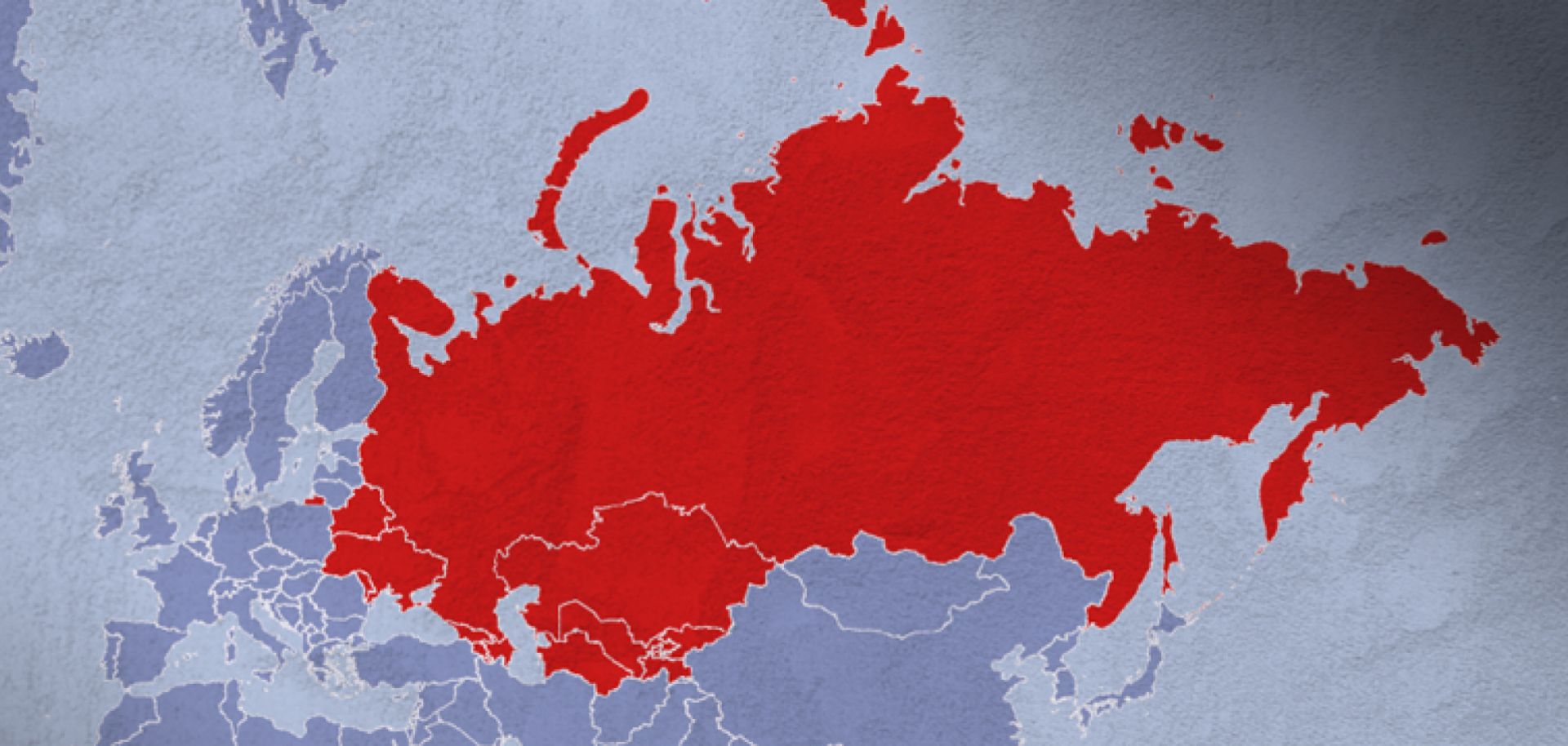
Tides of political change are sweeping across parts of the former Soviet Union. On Sept. 8, the Uzbek parliament declared Prime Minister Shavkat Mirziyoyev the country's acting president in the wake of longtime leader Islam Karimov's death. Mirziyoyev will hold the interim post until a presidential election takes place sometime within the next three months. Meanwhile, the prime ministers of both Kazakhstan and Armenia have resigned.
Though each of these changes in leadership comes with its own unique set of circumstances, they point to a broader trend of growing political instability in Eurasia. Countries throughout the region are battling a potent combination of economic weakness and rising insecurity that is becoming increasingly difficult to manage. And given the strategic location of these states, situated as they are among Europe, Russia and Asia, the volatility they are now experiencing will likely be widely felt.
Perhaps the most potentially disruptive of these events is the leadership transition underway in Uzbekistan. Since rumors of Karimov's death were confirmed Sept. 2, Mirziyoyev had been best-positioned to replace the late president. His appointment as the country's interim leader confirms that he is Karimov's most likely successor, and he will almost certainly win the approaching election. But ruling in Karimov's stead until then will be difficult as Mirziyoyev struggles to balance Uzbekistan's competing clans while keeping instability in check.
In the meantime, Kazakh Prime Minister Karim Massimov's resignation and subsequent appointment as National Security Committee chairman could signal another succession looming in Central Asia. Like his Uzbek counterpart, Kazakh President Nursultan Nazarbayev, who is 76 years old, has had health issues for some time and has no clear succession plan in place. Because Kazakhstan has historically been vulnerable to militant attacks, Massimov's new role could be intended to give him more experience in the security realm, adding to his legitimacy as a potential replacement for Nazarbayev. But as they have in Uzbekistan, economic, political and security challenges in Kazakhstan are likely to make the country's unprecedented succession process even rockier.
At the same time, Armenia faces a tricky political transition of its own. Prime Minister Hovik Abrahamyan recently tendered his resignation, and a Cabinet shake-up is rumored to be coming soon. His departure comes just weeks after large protests wracked the country in the wake of a protracted hostage crisis. President Serzh Sarkisian vowed to effect substantial political change after the standoff ended in early August. The overhauls are likely a product of this announcement, but as in Uzbekistan and Kazakhstan, the changes are by no means guaranteed to resolve the country's deeper underlying issues. All of these countries will therefore be important to watch in the months ahead as they work through what are sure to be shaky and uncertain transitions.
