
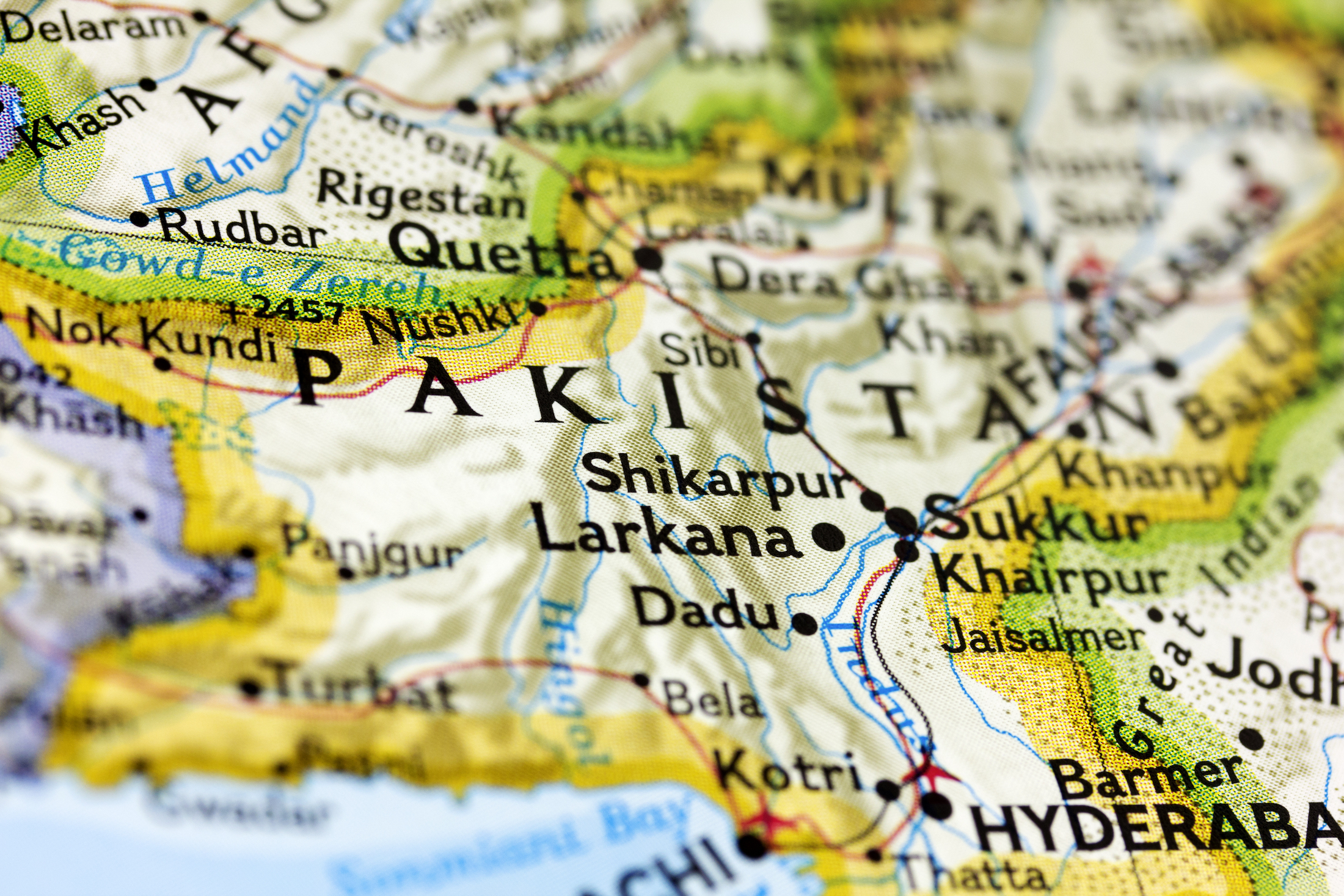
Afghan Taliban and Pakistani forces clashed March 3 at the closed Torkham border crossing, killing at least one person and wounding several others, Reuters reported. The Afghan Taliban claims the clash killed one of its fighters and wounded two others, while unidentified Pakistani security officials claim Pakistan casualties also occurred. The two sides have blamed each other for the incident. A spokesperson for the Afghan Interior Ministry said Pakistan initiated the clash and that Afghan border forces attempted to resolve the dispute without violence, while an unidentified Pakistani security official accused Afghan Taliban fighters of spontaneously opening fire on a Pakistani border post. The clash occurred at the Torkham border crossing, which is vital to cross-border trade, but which has been shuttered since a Feb. 21 border clash between the two sides. The disruption overlaps with the early days of the Islamic holy month of Ramadan, during which Afghan food imports from Pakistan typically surge. The border closure has also reportedly stranded some 5,000 trucks carrying essential goods at a time when Afghanistan continues to face severe humanitarian challenges, which aid agencies fear will only worsen in the event the United States suspends aid to the country for an extended period. Relief organizations, including the Norwegian Refugee Council, have said the U.S. suspension of aid operations abroad has disrupted relief efforts in Afghanistan, including by halting the operations of nearly 200 health facilities and mobile health teams in the country as of Feb. 25.
The latest clash underscores Afghanistan and Pakistan's long-standing dispute over their shared border, which for the foreseeable future will continue to lead to sporadic cross-border exchanges of fire that inflame bilateral tensions and disrupt trade between the two countries. The continued closure of the Torkham border crossing will continue to increase Afghanistan's humanitarian challenges. Though the crossing is not the only such point along the border, when it is open it is typically the busiest; further disruption of cross-border traffic at Torkham will intensify grievances on both sides of the border and risks of additional clashes. That said, rising grievances will also increasingly pressure both sides to come to a resolution and eventually reopen the crossing. This has been demonstrated during numerous clashes and border closures along the Afghan-Pakistani boundary in recent years, including a closure in January 2024 that lasted about as long as the current closure already has. In the longer term, border dispute between Afghanistan and Pakistan that has lasted more than a century will continue. This is especially the case given the deep mistrust between the two sides fueled in large part by the Afghan Taliban's support for the anti-Pakistan militant group Tehrik-i-Taliban Pakistan. This will sustain a high likelihood of additional clashes and border closures of varying periods. Should such disruptions become more frequent and/or prolonged, it would deepen Afghanistan's already severe humanitarian challenges and worsen violence in the two countries' border regions. It would likely also worsen risks of militant attacks in Pakistan more broadly given that worsening tensions between Afghanistan and Pakistan would incentivize greater collaboration between the Afghan Taliban and Tehrik-i-Taliban Pakistan.
