
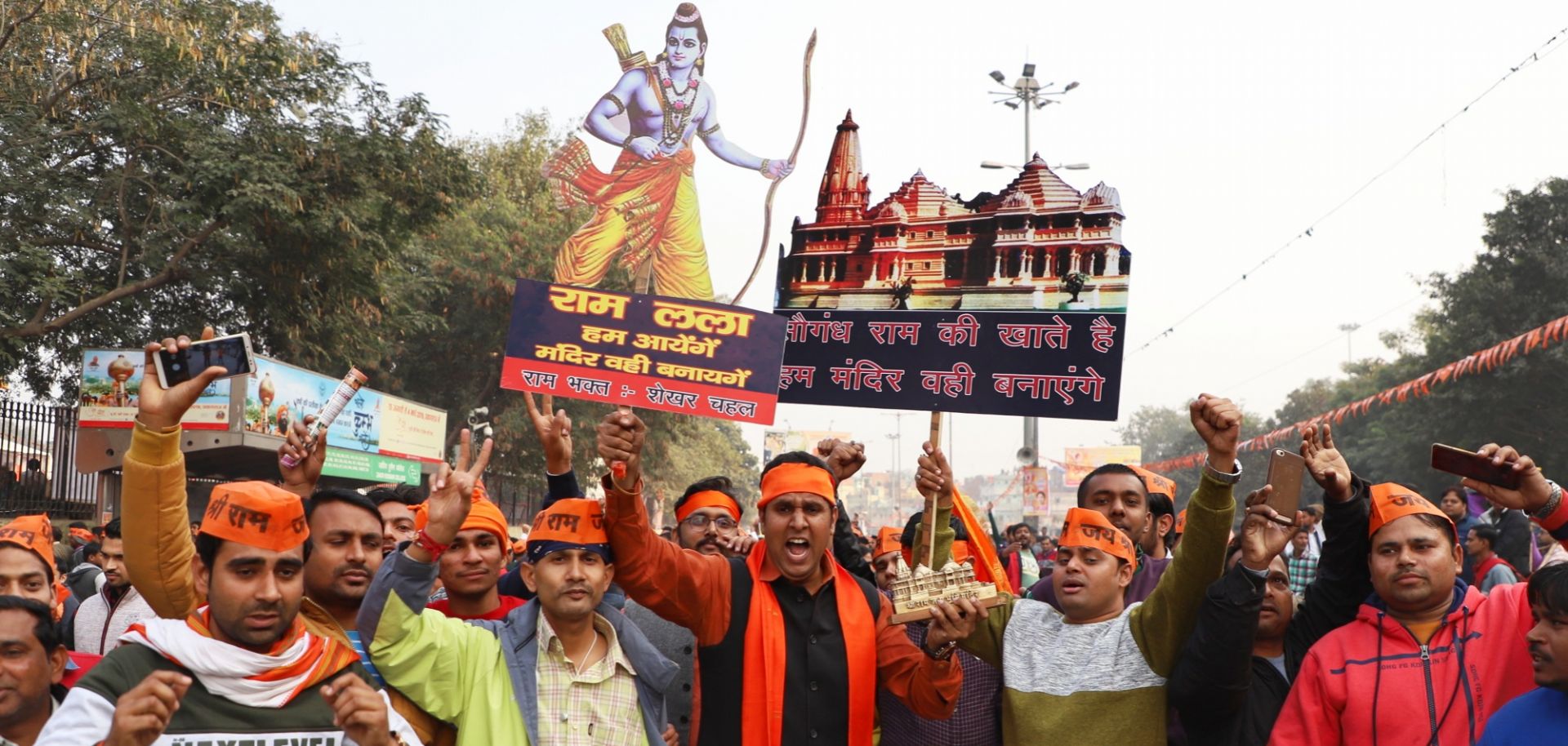
Supporters of the Vishva Hindu Parishad (VHP), a Hindu nationalist organization, attend a religious congregation organized by the group in New Delhi on Dec. 9, 2018. Organizations like the VHP are on the upswing as Hindu nationalism grows in India.
Editor's Note: With more than a billion people, India is a kaleidoscope of different languages, castes, regions and religions; indeed, the demographic diversity has long led the country's leaders to pursue secularist policies, lest support for any one group incite communal clashes. Under Prime Minister Narendra Modi and his Bharatiya Janata Party (BJP), however, the government is pursuing greater national unity through social policies that give more pride of place to the nearly 80 percent of the country that is Hindu. Ahead of elections in 2019, Modi frequently played the populist card in an effort to curry favor with Hindu nationalists. Now, as Modi embarks on another five years in office, such populist policies — like the revocation of Muslim-majority Kashmir's autonomy, the implementation of a divisive citizenship bill that allegedly discriminates against Muslims and the allocation of the disputed site of a demolished mosque for a Hindu temple — are likely to continue despite social and political consequences for the massive country.
A Communalist Challenge to Secularism
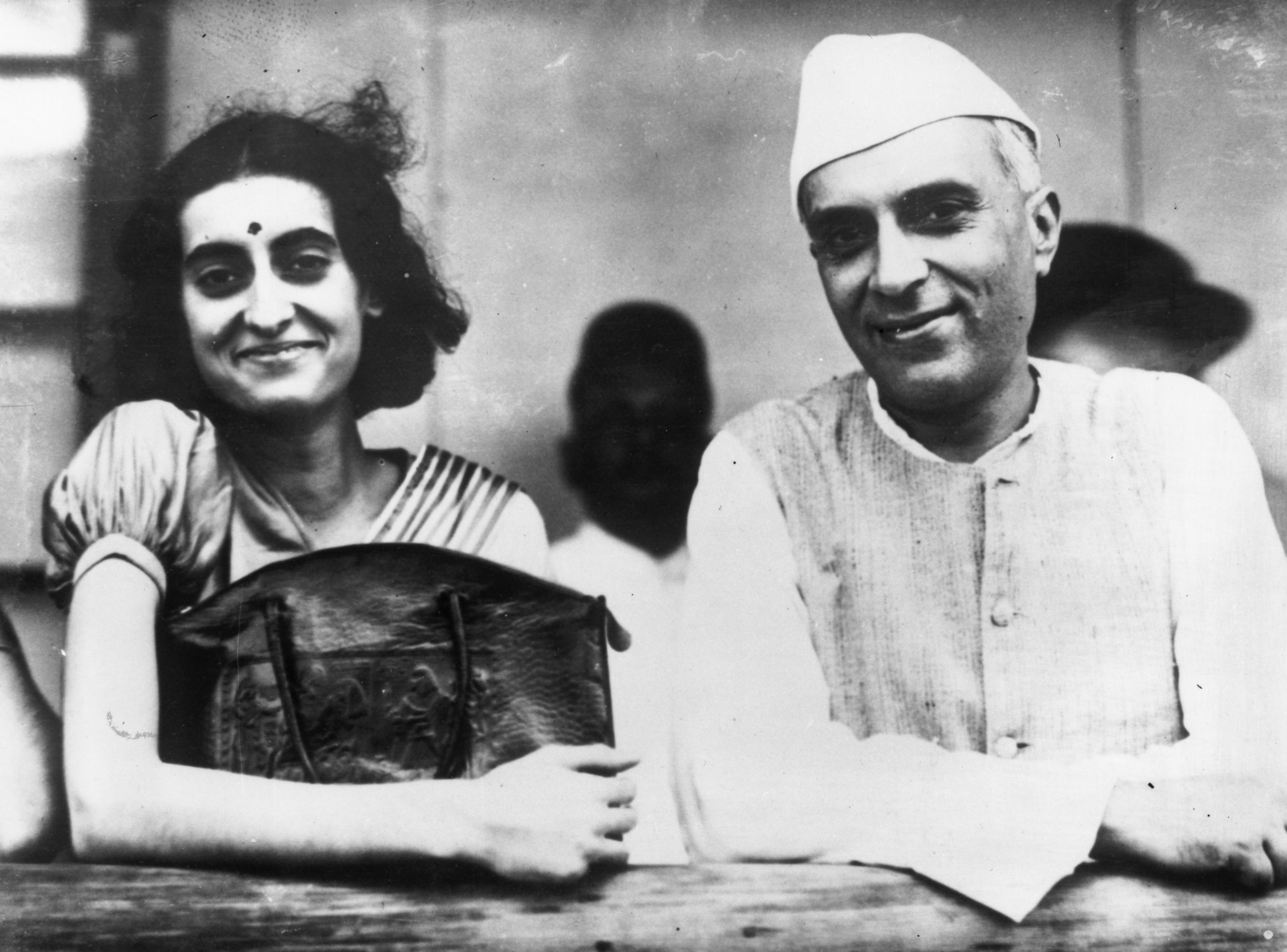
Given India's diversity — and the fact that the country was still reeling from the communal bloodletting that accompanied partition from mostly Muslim Pakistan — India's first prime minister, Jawaharlal Nehru, insisted on grounding independent India on a secular foundation so as to manage communal relations among the country's Hindus, Muslims, Sikhs, Christians and others.
But proponents of the Hindu nationalist ideology — Hindutva — espoused by Modi's BJP are willing to question those Nehruvian founding principles. Such followers see India as a native Hindu state that has been invaded and contaminated by foreign bodies. According to this worldview, the 14.2 percent of the country that is Muslim cannot be accepted as sons of the soil; unsurprisingly, then, maps showing ... Jammu and Kashmir as India's sole Muslim-majority state are a historical aberration requiring a remedy. For a populist Hindu nationalist like Modi, the "people" are India's 80 percent Hindu majority, while the "other" is the [roughly 180 million-strong] Muslim community, along with the secular Congress party and the Gandhi political dynasty, which has ostensibly appeased the Muslim minority at the expense of core Hindu values.
For the full article, click here When Populist Nationalists Tempt Geopolitical Fate.
One particular flashpoint that bolstered the rise of the BJP occurred in 1992, when ultranationalists tore down the 16th-century Babri Mosque in Ayodhya, Uttar Pradesh, on the grounds that it was constructed on the birthplace of the Hindu god Ram. The action ignited intercommunal riots across India that killed more than 2,000 people. Twenty-seven years later, the Supreme Court of India issued a ruling on the site on Nov. 9, paving the way for a government trust to build a temple dedicated to Ram, offering a major victory to the Hindu nationalist movement.
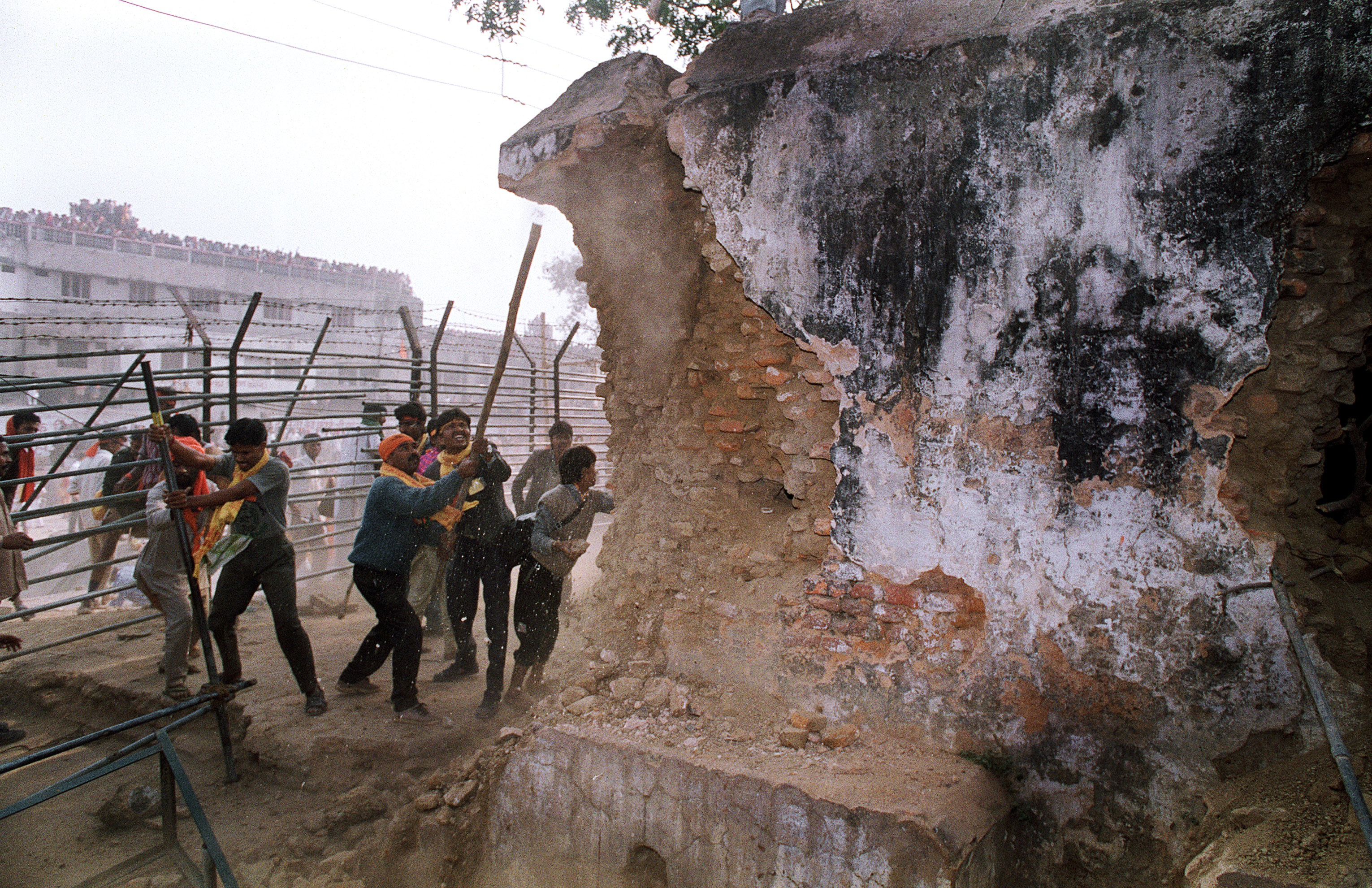
The Babri Mosque dispute played a seminal role in the rise of the BJP as a force in Indian politics. In the 1980s, the BJP and [Hindu religious reformers] portrayed the issue as a means of redressing a historical grievance wrought by the Islamic empire of the Mughals — the Babri Mosque was named after Babur, the first Mughal emperor — which ruled India before the British. The BJP strategy reaped a rich dividend in Parliament, where it went from two seats in 1984 to 120 seats by 1991.
For the full article, see In India, a Long-Running Religious Fight Nears a Crucial Day in Court.
Playing to the Populist Gallery
In the run-up to elections in 2019, the BJP made a number of decisions to bolster support among its Hindu nationalist base and maximize its chances of winning reelection. In Uttar Pradesh, local BJP leaders symbolically changed the names of local areas ahead of the election.
Reflecting its Hindu nationalism, Uttar Pradesh Chief Minister Yogi Adityanath has renamed Allahabad — a Hindu holy city bearing a distinctly Muslim name — with the Hindu-inflected "Prayagarj." He has also renamed the Faizabad district after one of its towns, Ayodhya, a locality in which Hindu nationalists have demanded to construct a temple to Ram over the ruins of the 16th-century Babri Mosque.
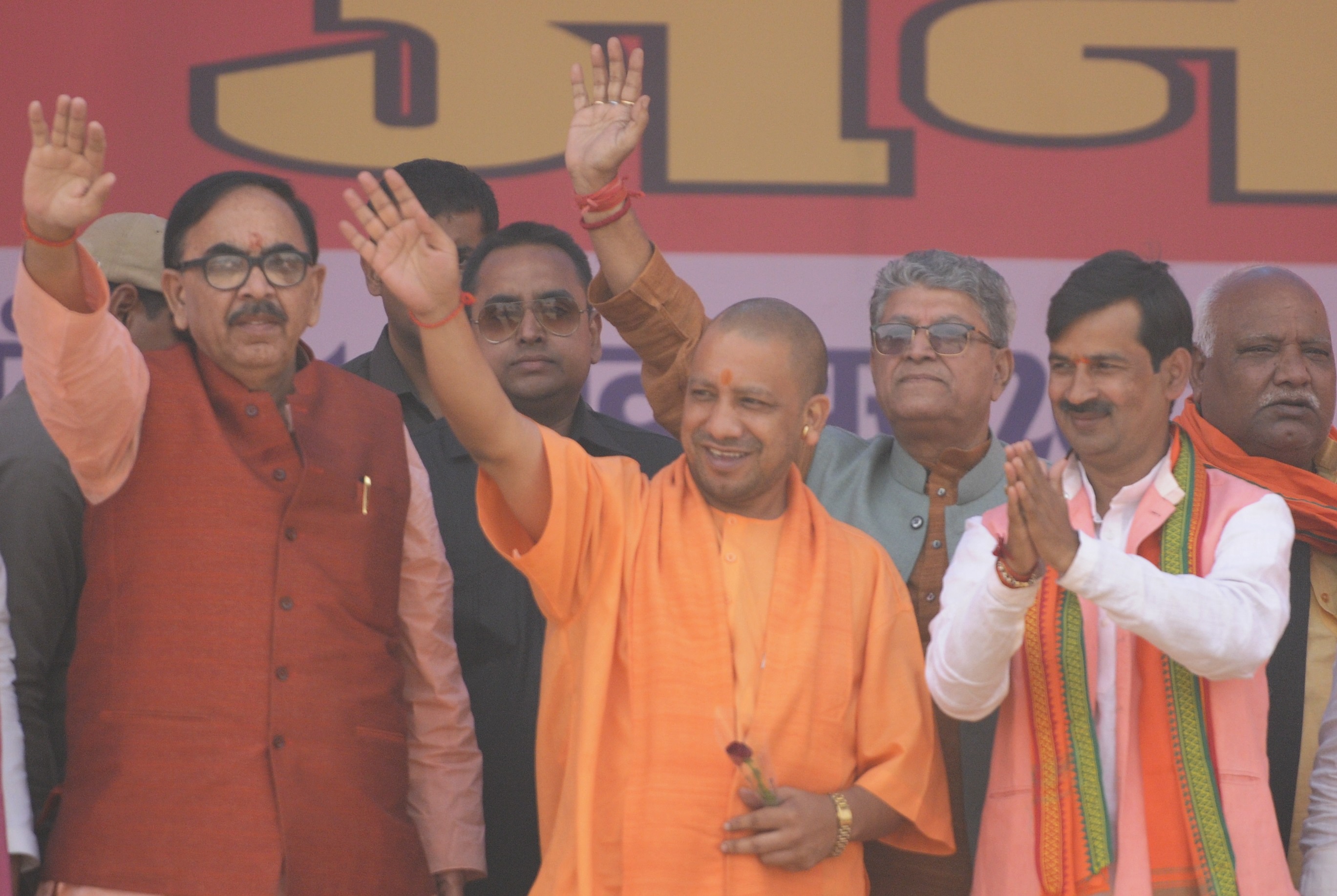
For more, see Modi Plays the Populist Card as India's Elections Near.
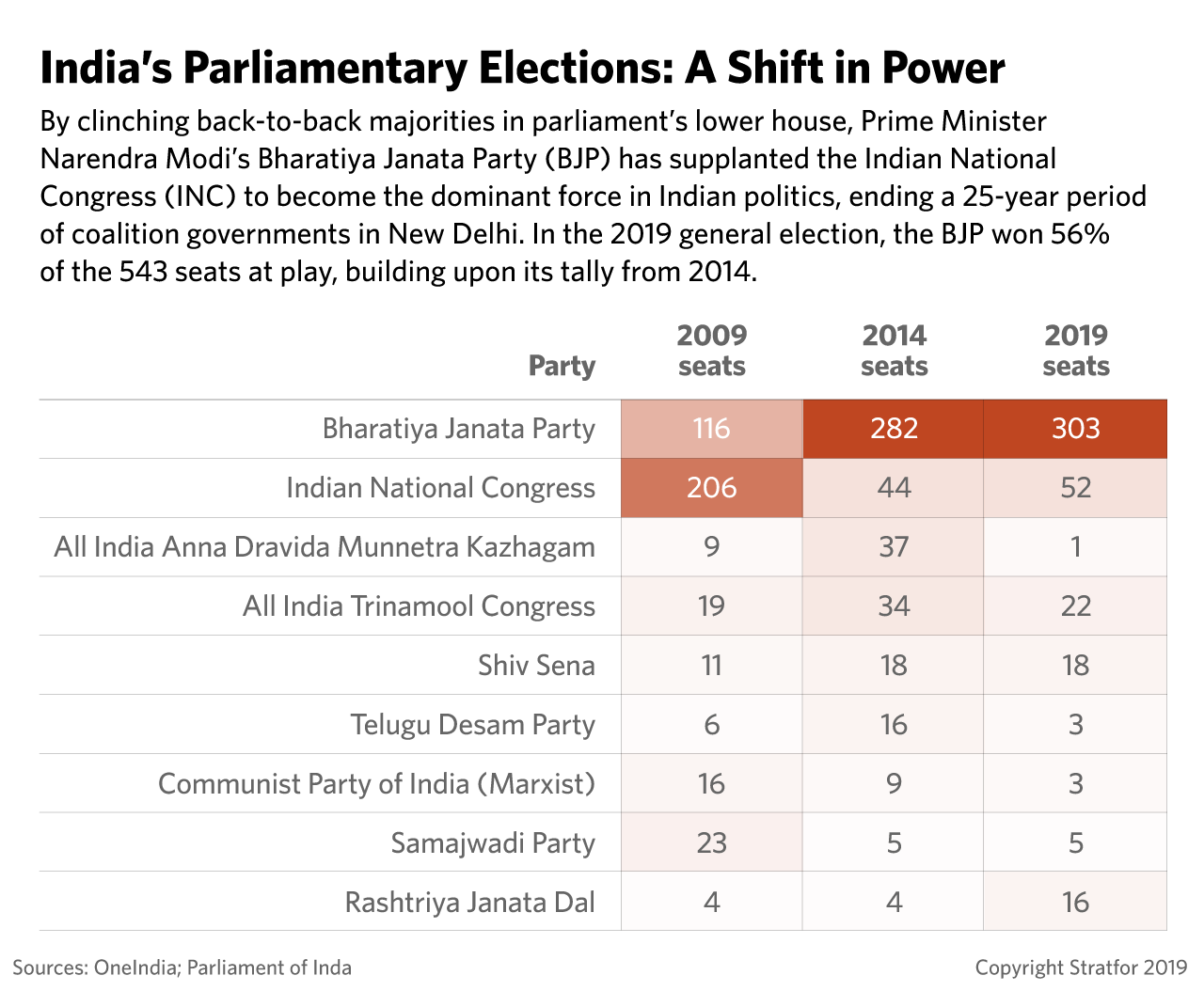
With some economic promises from Modi's first term failing to pan out, the BJP served notice on the campaign trail that it would consider taking controversial action on Kashmir in a bid to win votes. In the end, the party won another majority, increasing its seat share in the process.
The BJP is emphasizing national security and cultural identity in its election manifesto. Though Modi's "Make in India" campaign has failed to produce the tens of millions of jobs voters expected, February airstrikes against Pakistan have boosted his status — sentiments the prime minister hopes will win votes. The BJP has also pledged to rescind a constitutional amendment granting autonomy to Muslim-majority Kashmir. Though ideological issues like Kashmir draw votes, the party has taken a pragmatic approach on actually implementing them thus far; the BJP would have to balance the politics of polarization with the need to safeguard investor sentiment before acting on ideology.
For the full article, click on India's Elections Begin, but Questions Over How They Will Play Out Remain.
Courting Controversy
Aware of the contention his action would cause, Modi announced in early August that his government would, indeed, abrogate Kashmir's autonomy and make it easier for non-Kashmiris to settle in the Himalayan region — something that could ultimately dilute the state's Muslim majority should more Hindus move to the region.
After promises on the campaign trail, Indian Prime Minister Narendra Modi has come true to his word — energizing his supporters and exasperating his opponents in equal measure. On Aug. 5, Modi began a process to revoke the special autonomous status of the disputed territory of Jammu and Kashmir, igniting a political firestorm in New Delhi and, potentially, tensions with nuclear archrival Pakistan. In line with Modi's directive, Indian President Ram Nath Kovind issued a presidential decree supplanting the Indian Constitution's Article 370, which grants Jammu and Kashmir autonomy in managing its internal affairs with the exception of defense, foreign affairs and communications. What's more, the decree will also impact Article 35A, which restricts non-Kashmiris from buying land in the state, potentially opening the way for non-Kashmiris and Hindus to migrate to the state and alter its Muslim-majority demographics.
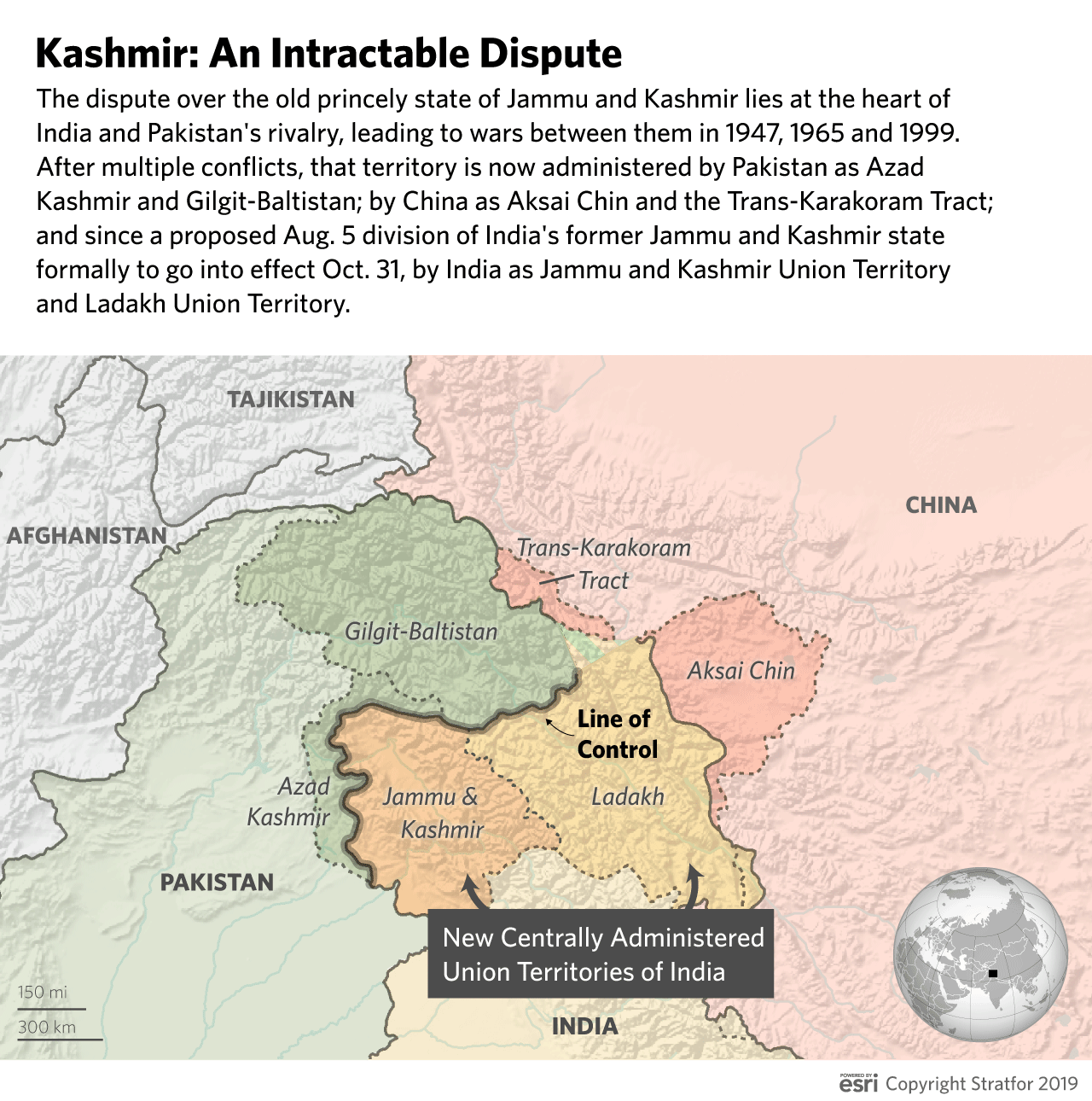
But while the BJP's supporters lauded the announcement as historic, the opposition, including the Indian National Congress, the Tamil Nadu-based Dravida Munnetra Kazhagam, and the Kashmir-based Jammu and Kashmir Peoples Democratic Party, have all decried the move as an affront to the nation's democratic principles. The move is yet another component of the BJP-led government's bid to bolster India's political and economic unity — particularly as Kashmir represents one of the country's biggest secession threats.
To learn more, see Modi Moves to Remake Kashmir.
Modi's Ultimate Goal
But the BJP's move to reduce Muslim-majority Kashmir's autonomy isn't solely based on Hindu nationalist ideology or a gift to his base. Instead, the revision — one that any leader governing such a vast land would espouse — fits into Modi's vision to deepen unity in the multilingual and multifaith country. In the end, as growth in India's $2.6 trillion economy cools, the BJP will have reason to lean on the social and religious elements of its platform to demonstrate progress in its second term.
But perhaps most important for Modi is the fact that Kashmir's deeply ingrained autonomy has long stood in the way of India's quest for national unity. In 1987, it's widely believed that the Indian National Congress party in power at the time rigged Kashmir's assembly elections. Congress did much to erode Kashmir's autonomy in the name of Indian unity, but the Hindu nationalist BJP's rise to power accelerated the process.
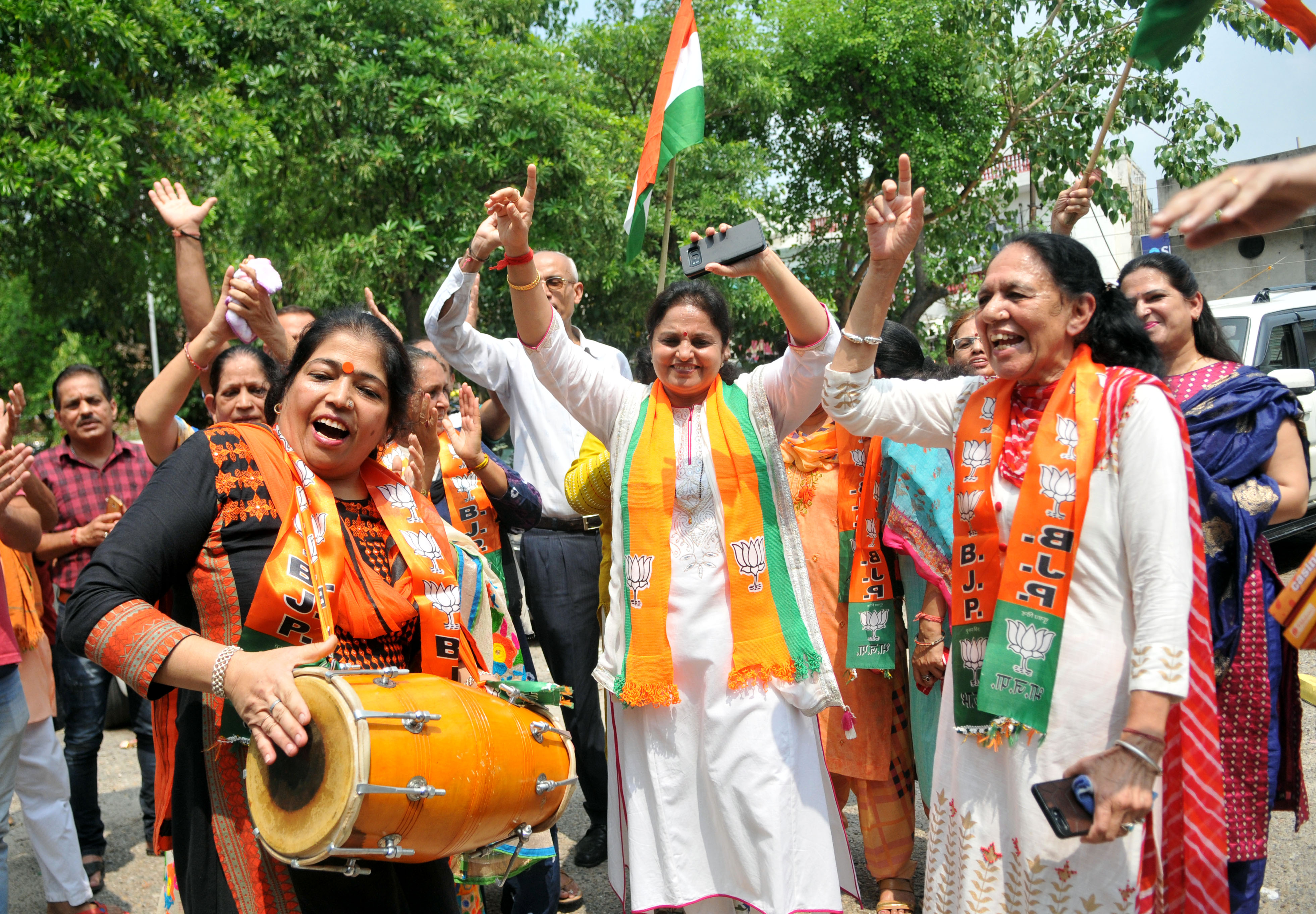
Absorbing the contested region figures prominently in the country's Hindu nationalist movement, which seeks to define India as a Hindu nation. And indeed, it was the BJP's skillful use of Hindu nationalism that propelled the party to dominance, giving Modi the political grounding needed to revoke Kashmir's autonomy in one fell swoop.
With Kashmir under his control, Modi will now seek to strengthen the BJP's presence in a state where the majority of its 12 million inhabitants are Muslim. To do so, Modi will likely encourage the migration of non-Kashmiri Hindus to the region. Success, however, will depend on first securing the region. This will not prove easy if the region's new status fuels the insurgency that began some three decades ago.
See the full article: How an Indian Kashmir Fits Into Modi's Grand Plan.
