

What Happened
Reports are emerging that the UAE contingent of the anti-Houthi coalition has been pulling troops and equipment out of Yemen for several months now. The United Arab Emirates appears to be very purposely reducing its military posture in the country to extract itself from the active conflict. It is not a complete withdrawal, however, and sources in Yemen indicate that UAE forces are not reducing efforts to combat terrorist groups such as al Qaeda and the Islamic State in liberated territories. And in some of the front-line zones where active fighting persists, such as Bayhan, the UAE presence has apparently not been reduced at all.
Why It Matters
At this point, the staged withdrawal of UAE forces mostly affects the al-Hudaydah front running along Yemen's western coastline. This was one of the most active combat zones for UAE forces until a United Nations-facilitated Houthi withdrawal from the port city of al-Hudaydah partially stabilized the area. The United Arab Emirates has always been wary of being pulled into a full-fledged war in central Yemen. Instead, it has focused on cooperating with local actors, mostly in southern Yemen, where Emirati troops developed close relationships with local tribal elements.
Though the United Arab Emirates helped generate momentum early in coalition operations — with the deployment of professional, well-equipped forces and a willingness to train local fighters — its active involvement dwindled over time as battle lines moved beyond the areas where UAE forces were most directly engaged. As a result, any drawdown of personnel is unlikely to affect regions with stabilized front lines maintained by other forces, though the remaining coalition forces will face the significant challenge of making progress against the Houthi-controlled areas of central Yemen.
Background
Despite turning its back on an active front-line role in the conflict, the United Arab Emirates has built up an influential position throughout the evolution of the civil war in Yemen. By working closely with southern groups that don't necessarily align with the Saudi-backed government of Yemen, such as the secessionist Southern Transitional Council, the Emiratis have gained a much stronger ability to operate in areas where al Qaeda — and some Islamic State offshoots — maintain a presence. This enables the United Arab Emirates to continue its effective suppression of terrorist activity even as it reduces its overall military footprint.
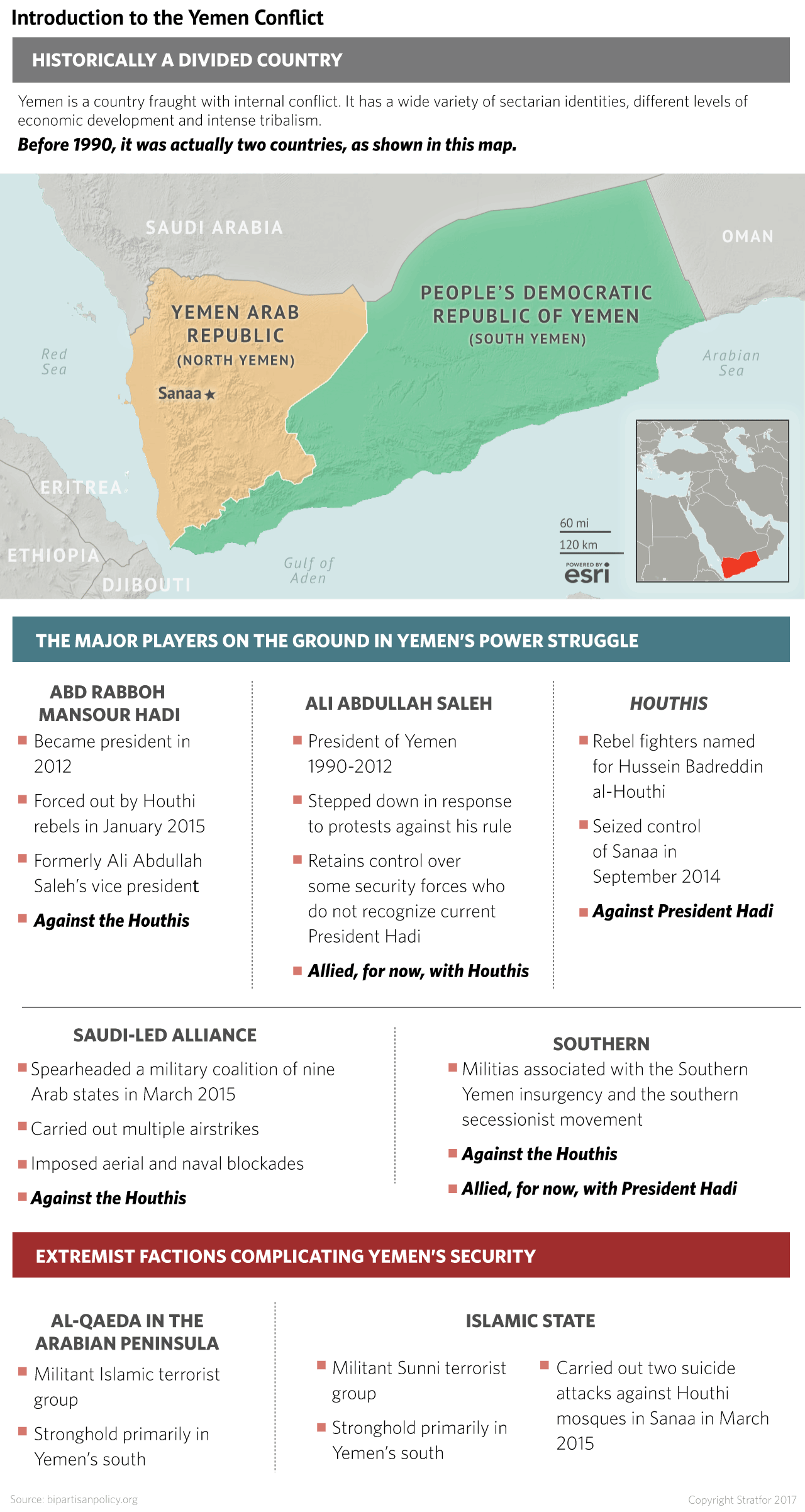
The continued divergence between southern Yemeni interests and the overall war effort could result in a new wave of separatism, or even spark conflict within Yemen's government. And despite withdrawing personnel from the conflict, the United Arab Emirates has developed significant military infrastructure throughout the southern Red Sea region and the Gulf of Aden, building bases to host naval, air and ground assets in places such as Perim Island (Yemen), Assab (Eritrea), Berbera (Somaliland) and Bosaso (Puntland).
This web of bases has projected the United Arab Emirates into a new regional security role that did not exist before its engagement in the Yemen coalition. That role has also paved the way to deeper involvement in Libya, where Emirati forces and assets have been deployed. So regardless of the United Arab Emirates' future in the Yemen conflict, Abu Dhabi has positioned itself as a proactive and notable security actor in the wider region.
