
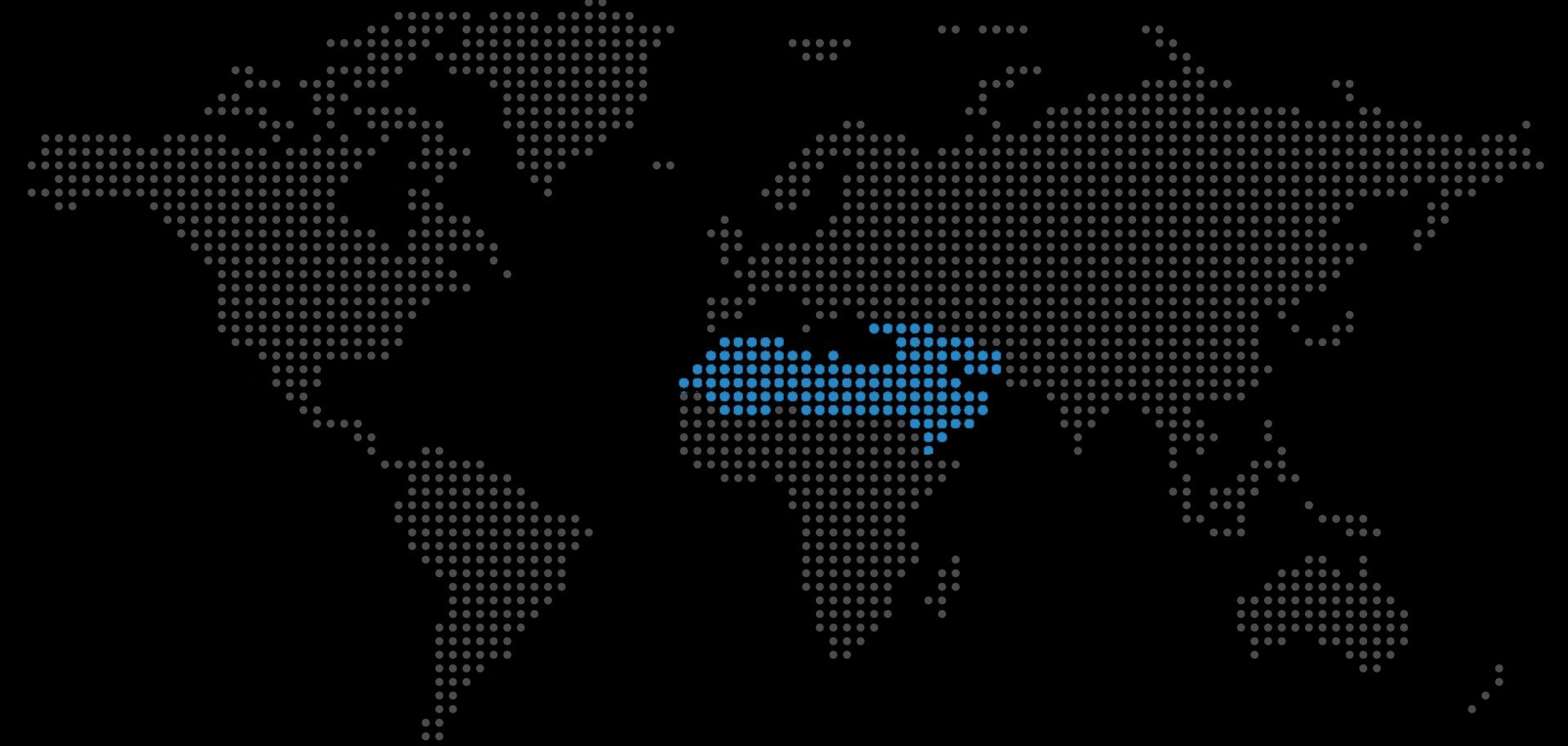
It's a big week in Iraqi politics. Voters in Iraqi Kurdistan cast their ballots to fill the 111-seat Kurdish parliament in Arbil on Sept. 30. And in Baghdad, the region's rival parties could not agree on a candidate for Iraq's presidency, an office traditionally reserved for Kurdish politicians. The drama in Arbil and Baghdad offers insight into Iraq's fragile political process and into its future.
The KDP Wins in Arbil, but Not Baghdad
Many Kurdish voters have expressed frustration with the results of recent parliamentary elections, which have done little to solve the region's economic problems. The outcome in the latest vote was more of the same: Iraqi Kurdistan's main parties appear to have secured the most seats — 43 for the ruling Kurdistan Democratic Party (KDP) and 20 for the Patriotic Union of Kurdistan. The opposition, meanwhile, didn't fare so well. The Gorran party lost half its seats and now holds just 13, and a newcomer to the opposition, the New Generation Movement, won only nine seats.
Despite its victory in Arbil, the KDP struggled to muster support in Baghdad for its presidential nominee. The PUK's candidate, Barham Salih, handily won the Oct. 2 vote in Iraqi parliament to lead the Kurdistan Regional Government (KRG). Some Shiite leaders reportedly prefer Salih to the KDP candidate, Fuad Hussein, because Salih did not support the controversial independence referendum in Iraqi Kurdistan last year. Already, KDP leader Massoud Barzani is crying foul over the presidential vote. But as he will find — just as he did last year when Iraqi federal forces reclaimed disputed territory in the wake of the referendum — that the KRG is no match for the Iraqi government in Baghdad.
What Happens Next
Nevertheless, what happens next will be crucial for both governments. The KDP could cut its losses and accept the new president, or it could jeopardize its decades-old power-sharing agreement with the PUK by contesting the result of the presidential vote. Otherwise, it may exact its revenge when Iraqi parliament selects the country's next prime minister, a far more powerful post reserved for Shiites. In the meantime, the heightened tension between the KDP and the PUK could lead to violence and turmoil in Iraqi Kurdistan that would undermine the fight against jihadist militant groups, including the Islamic State, and disrupt businesses and nongovernmental organizations. The increasing instability in the region, in turn, could open the door wider for countries such as Turkey, Iran and Syria to vie for influence in Iraqi Kurdistan through local political proxies.
