

The deaths of four foreign tourists in a terrorist attack could have longer-term implications for Tajikistan's economy.
What Happened
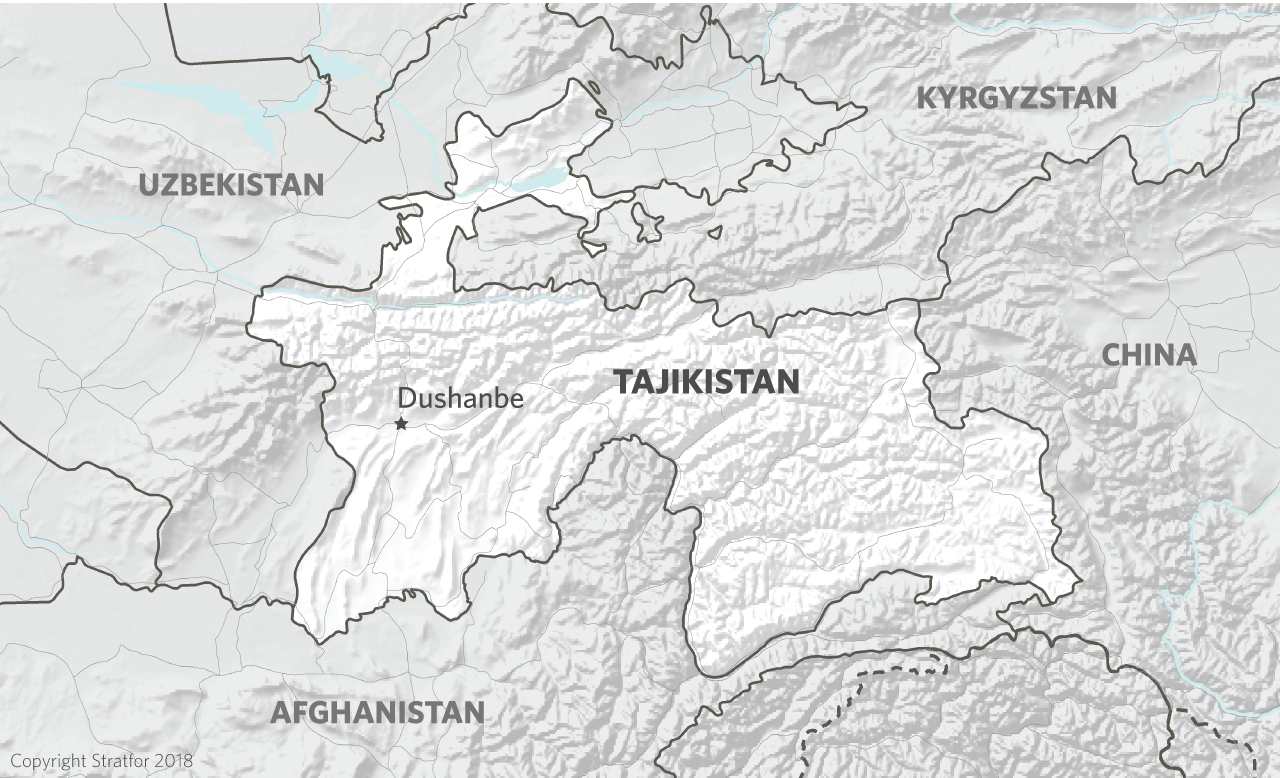
On July 29, four tourists on a bicycle tour of Tajikistan — two from the United States, one from the Netherlands and one from Switzerland — were killed in an attack in the Danghara district southeast of Dushanbe. Militants drove a vehicle through their cycling group, then stabbed the victims. The next day, the Islamic State claimed it had inspired the attack, but the Tajik government instead has pinned responsibility on the political opposition Islamic Renaissance Party of Tajikistan (IRPT).
The incident marks the first time foreigners have been targeted by a terrorist attack of its type in the country as well as the first use of a vehicle as a militant weapon in Tajikistan. The method of attack — a vehicular assault followed by an armed attack — tracks almost step for step with a formula promoted in Islamic State propaganda. In its claim, the Islamic State said the perpetrators were responding to its call for attacks, using language indicating that the militants were not coordinating with its operatives.
On July 31, however, the Tajik Interior Ministry said that an "active member" of the IRPT who "underwent training in Iran" was responsible. The party's exiled leader, Muhiddin Kabiri, denied the accusation.
What It Means
The tactics used coupled with the political atmosphere in Tajikistan make it more likely that Islamic State members, or grassroots militants inspired by the jihadist group, were responsible for the attack than the IRPT, which has been the subject of a significant government crackdown. Until it was banned by the Tajik government in 2015, the IRPT had been the only registered Islamist party in Central Asia. Its leadership now lives in exile. Such actions track with broader efforts of President Emomali Rakhmon to suppress Islam in Tajikistan, where many mosques have been shut down and religious clothing like burqas banned. The Tajik government has been known to play up the danger of parties like the IRPT and the threat of Islamist militancy as a means of political consolidation.
What's Ahead
The government’s crackdown on groups like the IRPT and Islam in general creates an atmosphere that could feed popular support for similar attacks, leading to more. If foreigners continue to be targeted, Tajikistan’s small and vulnerable economy, which depends on tourism for more than 3 percent of gross domestic product, could feel the effects. In response to the July 29 attack, Tajikistan will likely ramp up security operations and further crack down on Islamist elements. If more attacks using simplistic tactics follow, it could indicate enduring grassroots support for the Islamic State message in Tajikistan. More sophisticated attacks, on the other hand, would point to a direct link with militants based in Afghanistan.
