
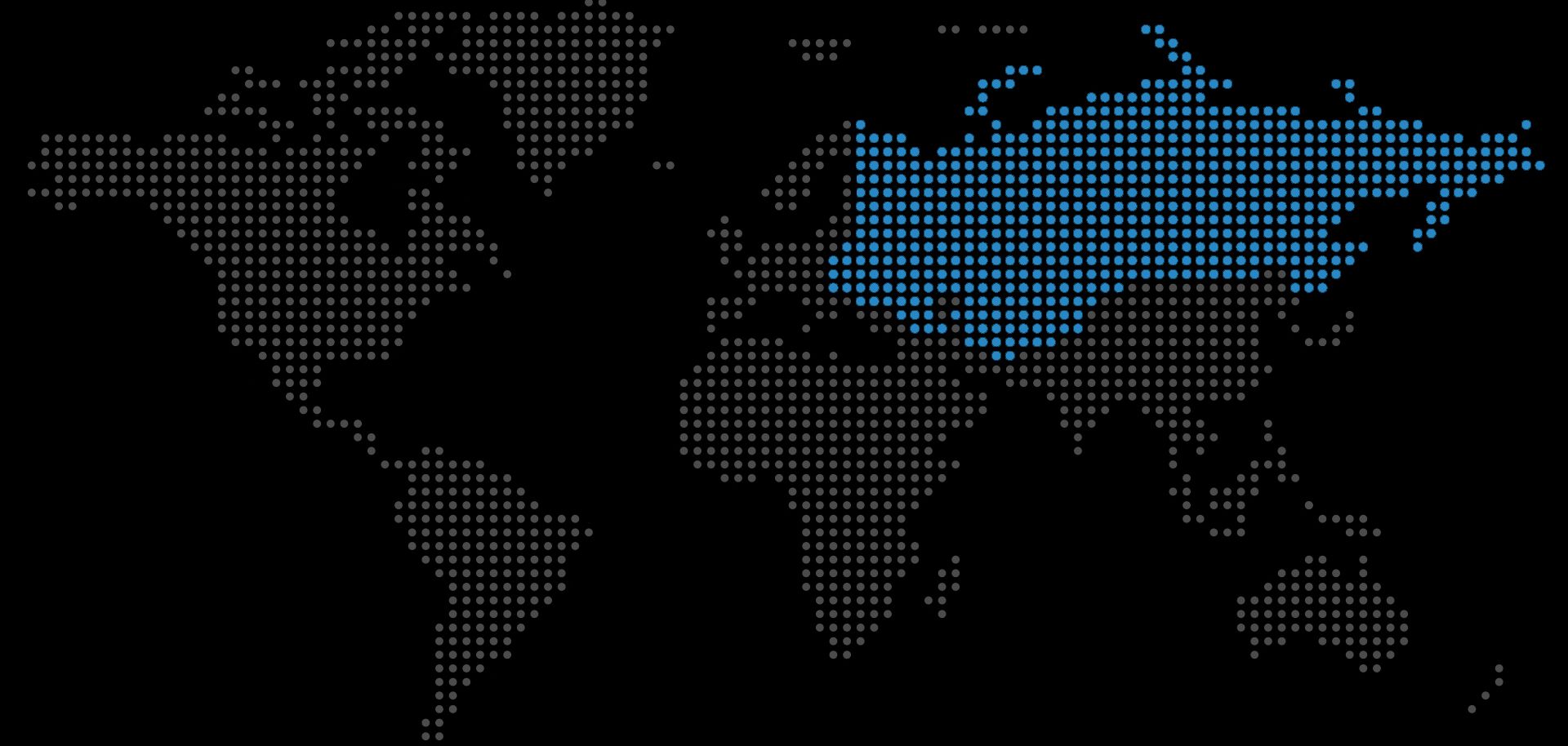
As two pivotal elections approach, the Russian government is developing multiple strategies to handle protests this year. Though recent demonstrations have not seen the same number of people hit the streets as in the 2011-12 protests in Moscow and St. Petersburg, they have spread to nearly every Russian region. And in 2017, President Vladimir Putin's government faced an unprecedented number of them, with an estimated 1,100-plus demonstrations in just the first three quarters of the year. With Putin preparing to seek a fourth term in March and a handful of key regional elections scheduled for September, the Kremlin is preparing multiple tools to ensure that protests don't destabilize the country.
According to a new report from Russia's Agency for Political and Economic Communications (APEC), the Kremlin is urging regional heads to find common ground with protesters or risk losing their positions. Becasue APEC is run by Dmitry Orlov — who has been an adviser to both the Kremlin and its ruling political party, United Russia — it is often a credible source for insights into the government's thinking. Its new report outlines a plan for regional leaders to attempt to create a calm atmosphere through dialogue with factions that are planning to protest. This would be a shift from the strategy used during the 2011-12 protests, when the Kremlin initially cracked down before issuing a series of compromises to protester demands.
But where those demonstrators had a fairly unified set of demands and were concentrated in two primary regions, the current protesters are spread across the country and have grievances ranging from salaries, economic struggles and corruption. By giving the responsibility for quelling tension to regional heads, responses or compromises can be tailored to their specific regions. This strategy will also remove the onus of responsibility from the Kremlin, giving it scapegoats should any regional heads fail to contain protests.
In a second strategy, Putin has also announced plans to transfer the remaining elite special forces from the Interior Ministry to his National Guard, giving them direct orders to quell disorder in any part of Russia. Putin has already expanded the profile of this branch — which is directly under the office of the presidency — by adding to its intelligence capabilities and giving it the responsibility of protecting regional leaders. But his latest move will give him say over where, when and how to crack down on protests and regional dissidence. His increased control also strips some of the last remaining power from the hands of the Interior Ministry and conflicts with the responsibilities of the Federal Security Service, which have long fought for power over Russia's regions.
Placing units under the leadership of the National Guard is not without legal difficulties, because its regulations and activities are covered by separate parts of Russian law. But doing so gives Putin direct control over a single mobile unit that can respond to dissidence throughout the country, while also stripping elite rivals (particularly those in the security services) of such power. With elections drawing closer, Putin has prepared himself and his government for protests by solidifying his already firm grip on power over the country and its institutions, as well as by ensuring that the responsibility for dealing with them doesn't fall on him alone.
