
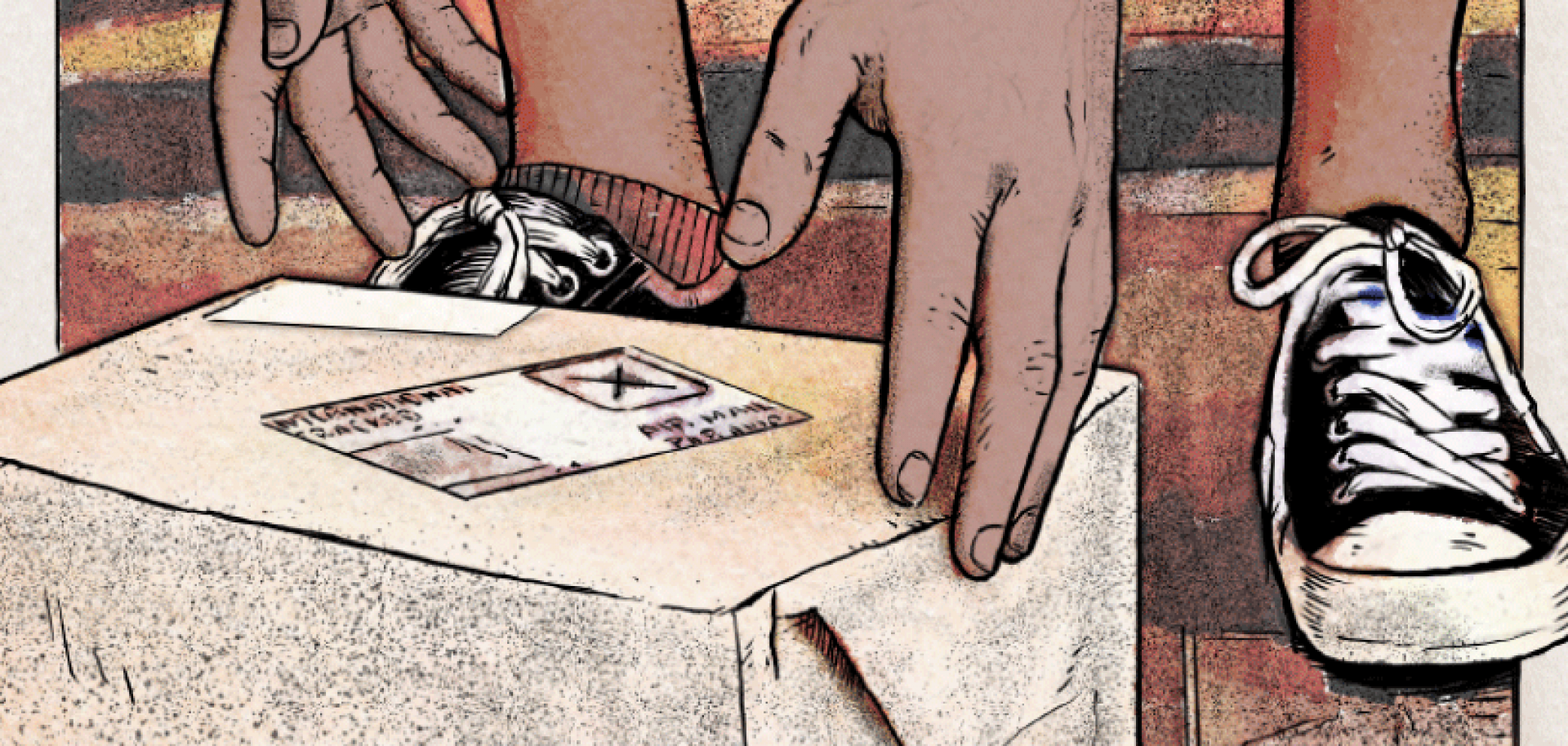
As local and federal authorities continue to collect evidence and search for the suspect(s) behind the recent bombings in Austin, Texas, much discussion has focused on how the devices used in the explosions were triggered. Parcel bombs come in many shapes, sizes and varieties, and protecting against them requires understanding how they work.
As local and federal authorities continue to collect evidence and search for the suspect(s) behind the recent bombings in Austin, Texas, much discussion has focused on how the devices used in the explosions were triggered. Parcel bombs come in many shapes, sizes and varieties, and protecting against them requires understanding how they work. Information available so far indicates the devices used in the first three explosions were triggered as soon as they were picked up or moved, meaning they don't require opening to detonate. The more sensitive triggering switch apparently used in these devices makes them more dangerous than the average parcel bomb. They are liable to explode at the slightest jostling or tilting. This means not only avoiding all contact with suspicious packages is essential, but not even approaching them is key.
