
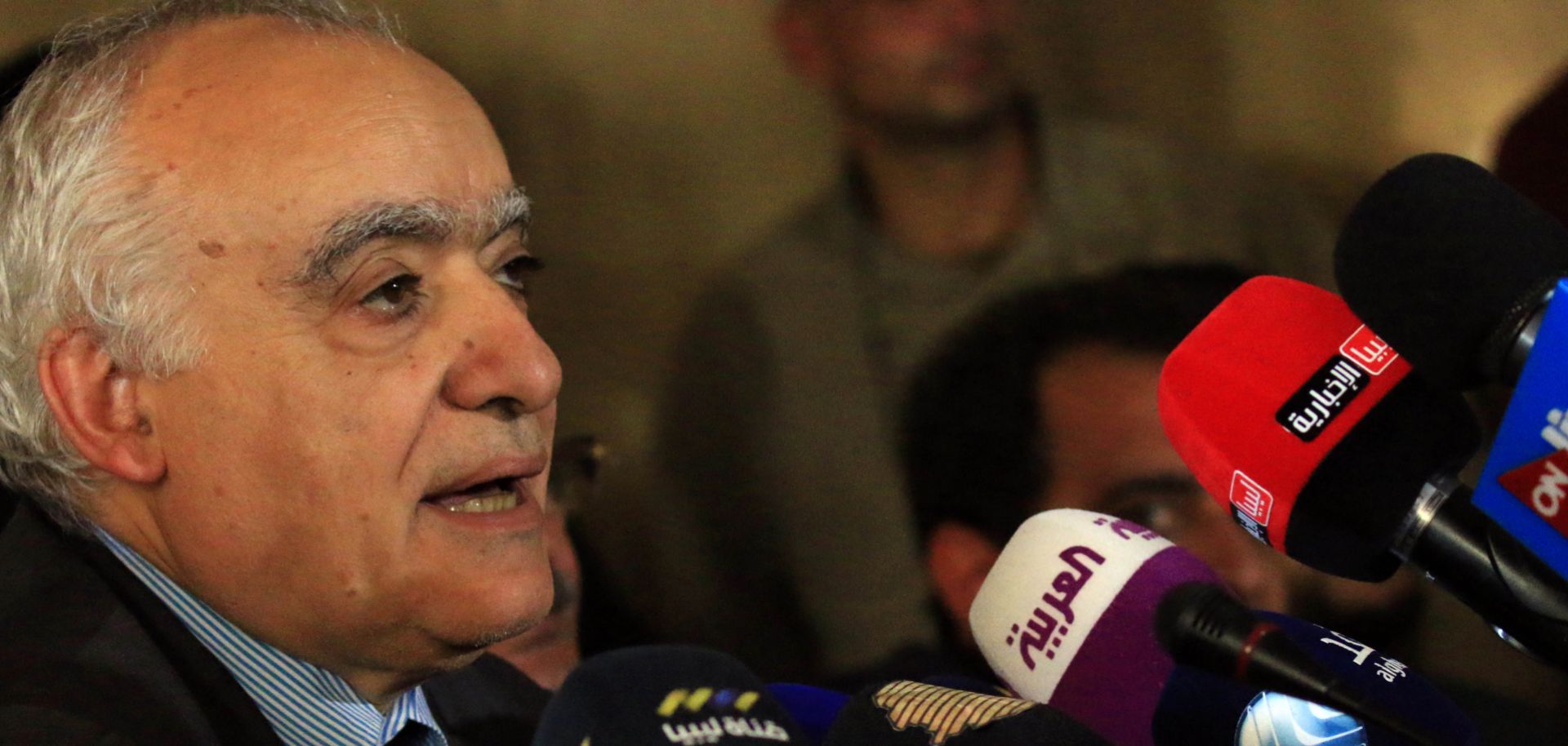
Ghassan Salame, U.N. special envoy to Libya
It is not for a lack of trying, but the United Nations has struggled to resolve the Libyan conflict. In 2015, the United Nations brokered a unity deal — the Libyan Political Agreement — between the country's two rival governments, the General National Congress in Tripoli and the House of Representatives, which had fled the capital city a year earlier to set up shop in the eastern city of Tobruk. Instead of unifying the country's governments and bridging its largely east-west divide, however, the U.N. peace process created a third government, the Government of National Accord in Tripoli, which the House of Representatives never joined. Negotiations have continued since — albeit intermittently — and many of the underlying disputes among the country's various factions remain unresolved. On Sept. 20 at the U.N.
