
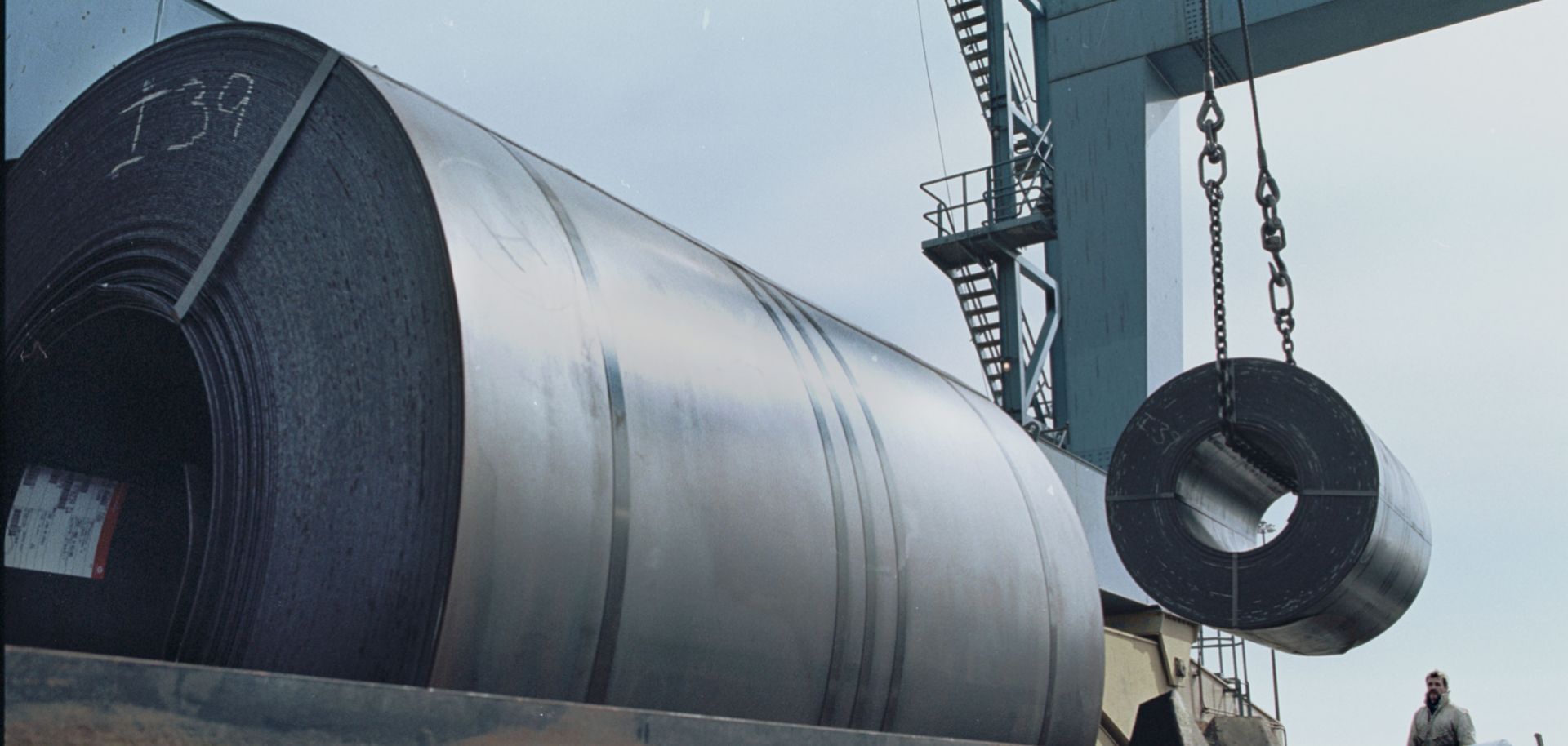
New suggested tariffs on steel imports to the United States could have major implications, but there are plenty of hurdles ahead before they can become policy.
U.S. President Donald Trump has a chance to pursue protectionist trade measures that could be his most significant trade restrictions yet. After an investigation launched in April 2017, the Commerce Department has found that steel and aluminum imports threaten to impair U.S. national security. To counter that threat, it has recommended a wide range of remedies, including a global tariff on steel imports of at least 24 percent and quotas restricting imports to just 63 percent of their 2017 volume. Trump and his administration now have until April 11 and 19 to decide what measures to take on steel and aluminum imports, respectively. If implemented, the restrictions could be the start of a series of trade measures advancing the White House's protectionist agenda. Though the implications of these measures would be significant, legal challenges and domestic division could prevent them from being effective.
