
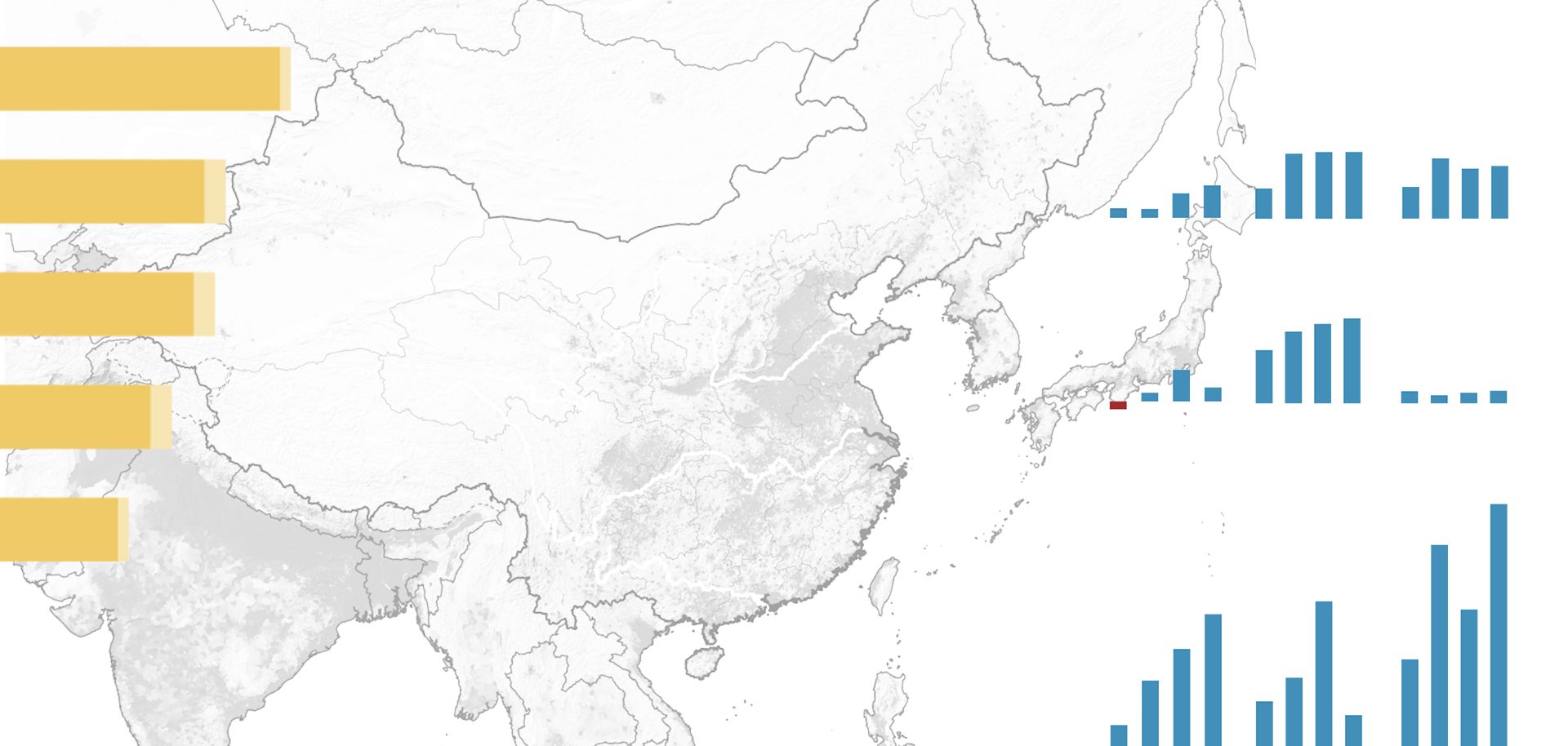
Whereas Mao Zedong's contribution to modern China is universally understood, the Qing dynasty's contribution receives far less attention. When the period is mentioned it is usually in negative terms — offered as the counterexample to the dynamic modernism of the Communists and nationalists. But the Qing played a pivotal role in contemporary understandings both of what constitutes China and what it means to belong to the Chinese nation . The dynasty ruled from 1644 to 1912 and built an empire they called Zhongguo, meaning the central kingdom. The dynasty's founders, ethnically Manchu, are today often regarded as the outsiders against which Han identity formed, but they were actually crucial to making China the multiethnic nation it is today. The Qing legacy is most readily apparent in the current extent of Chinese territory. Without the Qing, the nation would be far smaller.
