
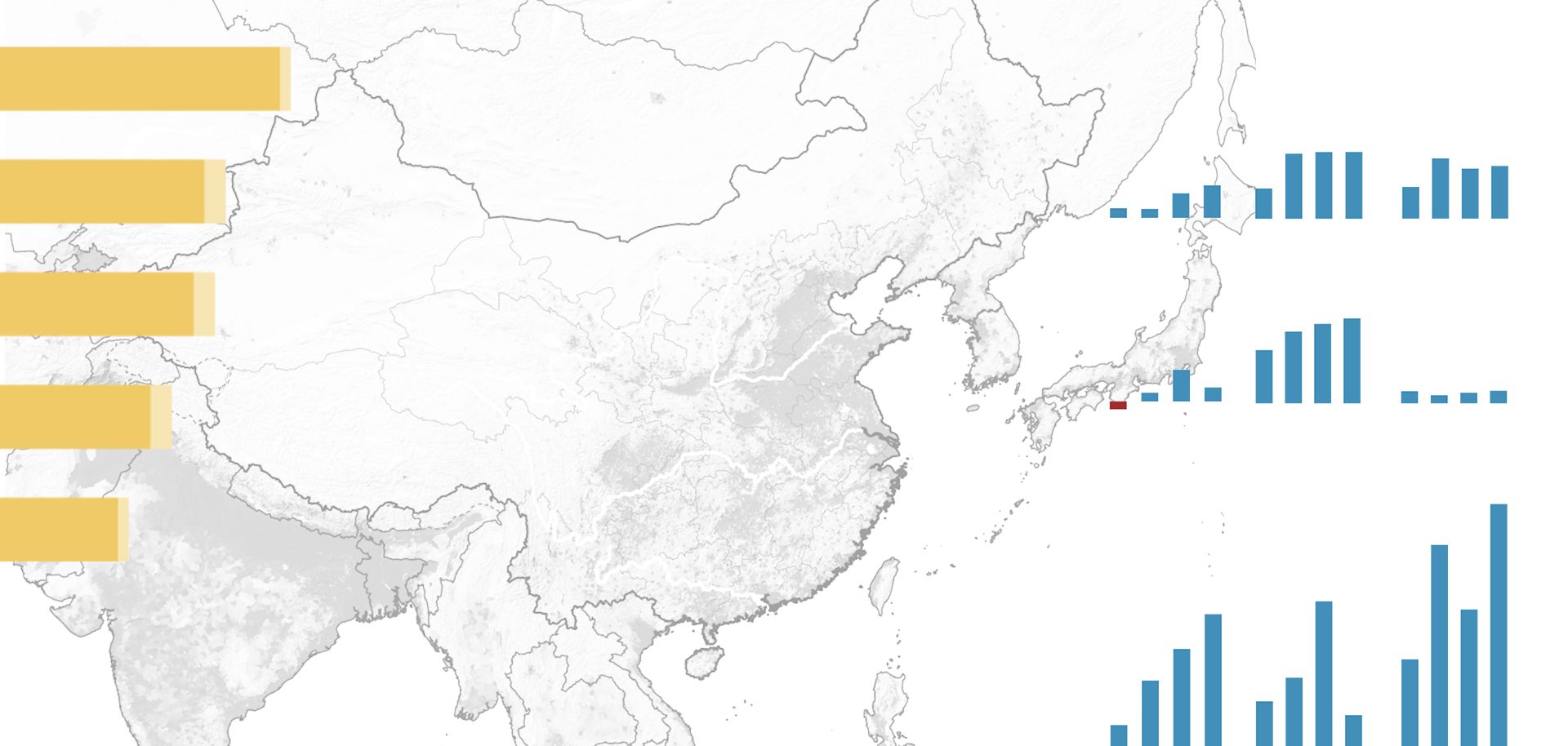
Unable to match India's massive military expenditures, Pakistan has taken an asymmetric approach to compensate for its comparative weakness: Building up its nuclear arsenal . In fact, Islamabad has already begun to design and develop tactical nuclear weapons that could someday be deployed against Indian troops on the battlefield. Now Pakistan is searching for the second-strike capability — the means of threatening nuclear retaliation even after having suffered an overwhelming nuclear strike. The Babur-3 submarine-launched cruise missile might provide this. With a reported range of 450 kilometers (280 miles), the missile would be able to reach most of India's major cities, though much of the country's interior — including the capital of New Delhi — would still be beyond the reach of Pakistan's nascent at-sea nuclear delivery program. Pakistan has its reasons for pursuing such capabilities.
