
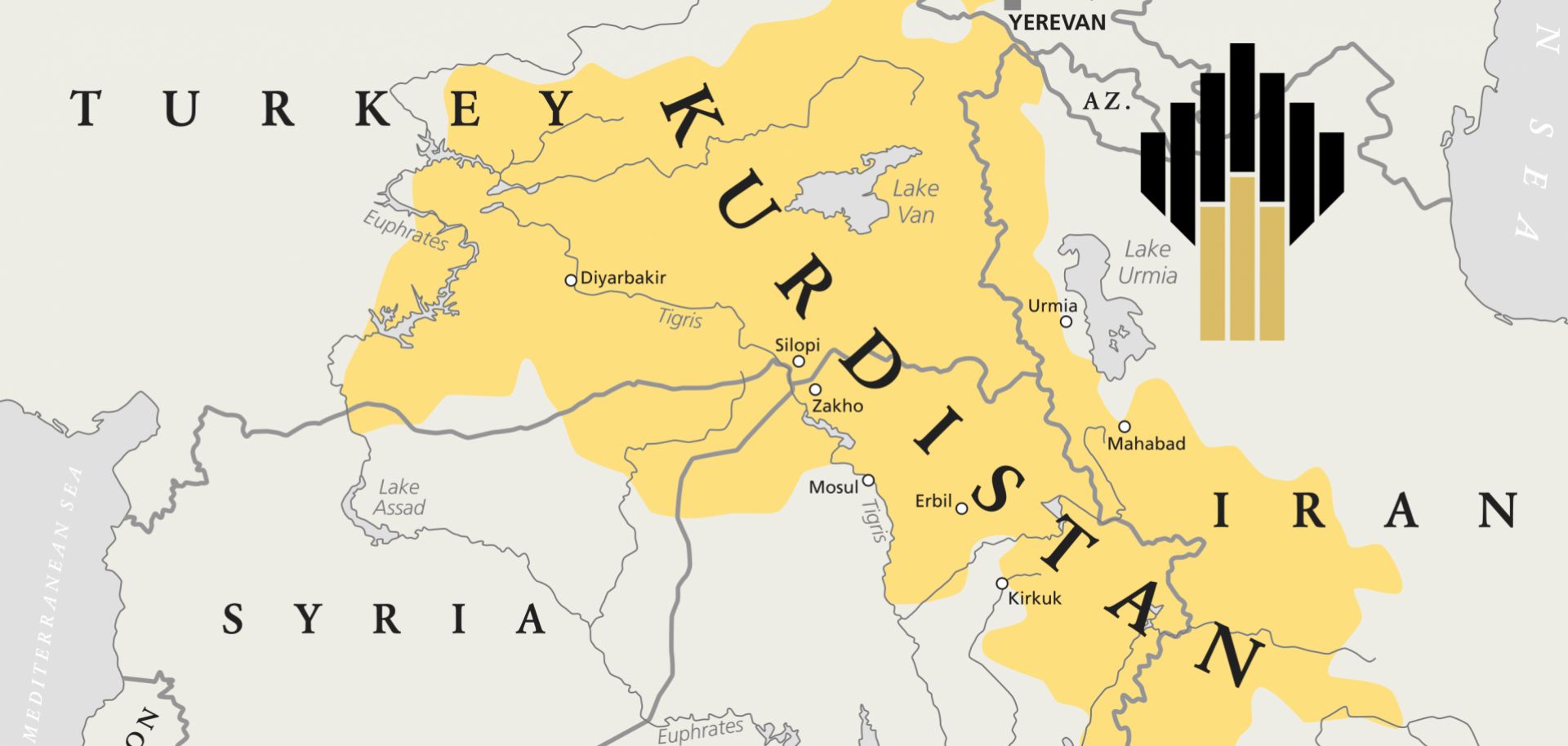
The natural gas export pipeline that Rosneft and the Kurdistan Regional Government are negotiating could immediately change the way regional powers operate and behave.
The budding relationship between Russian energy firm Rosneft and Iraq's Kurdistan Regional Government (KRG) is closer than ever. The company announced Sept. 18 that it was in the final stages of negotiating a deal with the KRG to finance and build a $1 billion natural gas export pipeline to Turkey. Once complete, the pipeline will transform the way the autonomous region in northern Iraq exports its energy. And its effect on regional politics will be no less dramatic. Pipelines and Power As a landlocked region, Iraqi Kurdistan relies on pipelines through nearby territories to carry the energy it exports to markets abroad. Its dependence on its neighbors has proved a vulnerability, though. The Kirkuk-Ceyhan pipeline that transports oil from Kurdistan to southern Turkey, for instance, gave Baghdad considerable influence over KRG leaders in Arbil because it crosses through territory under the Iraqi federal government's control.
