
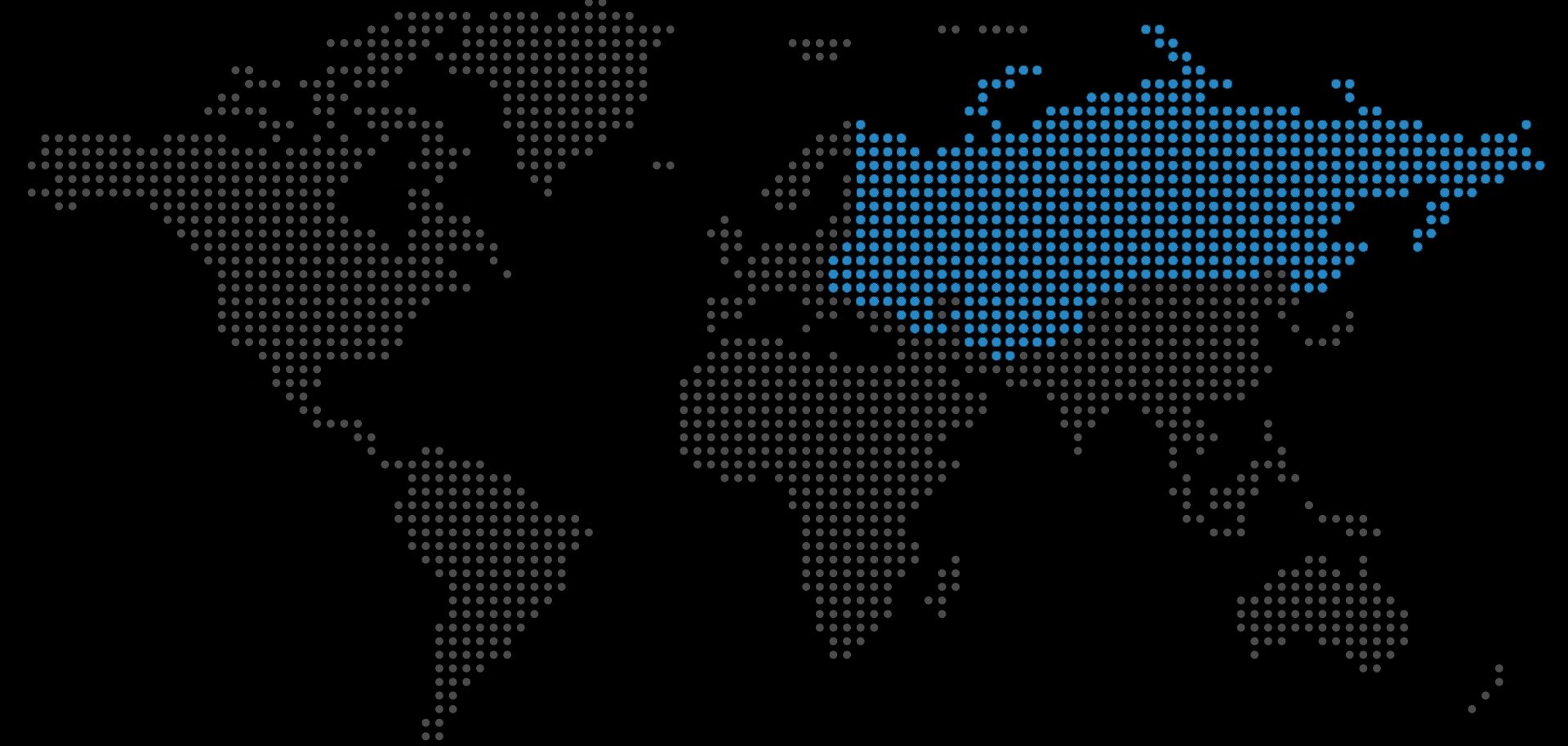
The Kremlin made huge advances this week in its crackdown on online activity. On April 19, U.S.-based social media giant Twitter informed Russian media watchdog Roskomnadzor that it will comply with Russian government requests and transfer the personal data of its Russian users to databases housed on Russian soil starting in 2018. Russia passed several anti-terrorism laws in July 2016 that require mobile phone and internet operators to store user data for up to three years. The companies must also provide authorities access to these records, which include texts, calls and online mobile activity. In addition, online services that use encrypted data would be required to help the Federal Security Service (FSB) decipher the messages. Many Western-based companies complied, including eBay and PayPal. Others, however, balked. LinkedIn, Facebook and Twitter resisted the measures. In November 2016, Russia countered by blocking LinkedIn for Russian users.
