
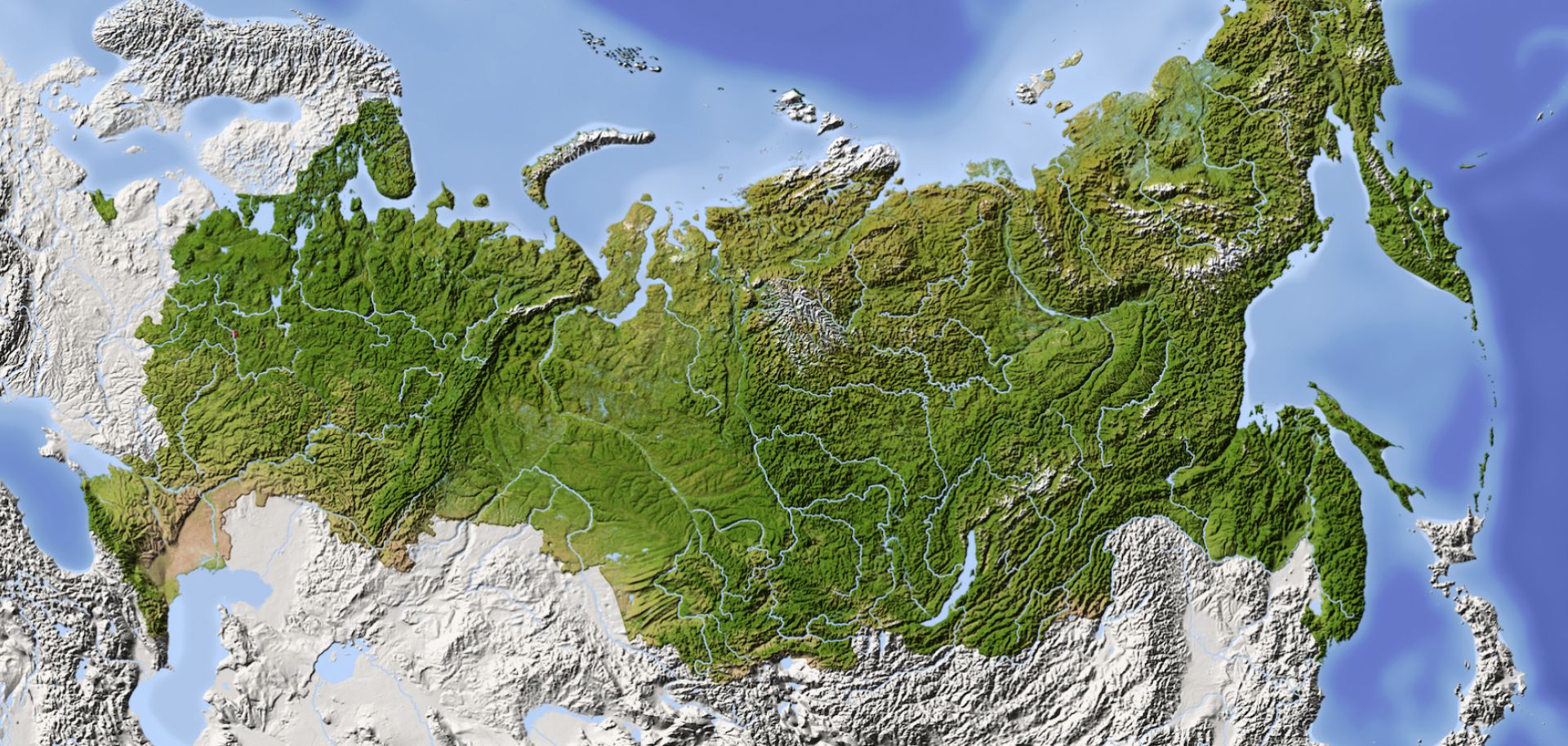
An identity rooted in Russia's position in both Europe and Asia is key to understanding Russia's policies, now and in the years to come.
In a New Year's message to U.S. President Donald Trump, Russian President Vladimir Putin wrote that Russia was "open to dialogue with the United States on the most extensive agenda." The message was a hopeful one for 2019, written to close out a year in which relations between Russia and the West continued to deteriorate along numerous fronts. In reality, Russia's standoff with the West will likely only intensify this year. A key evolution in Russia's strategy — indeed, in Russia's very identity — over the course of the Putin era is a big reason why. From the Cold War to 'Eurasianism' To understand this evolution, it is important to understand the context in which Putin came to power nearly 20 years ago.
