
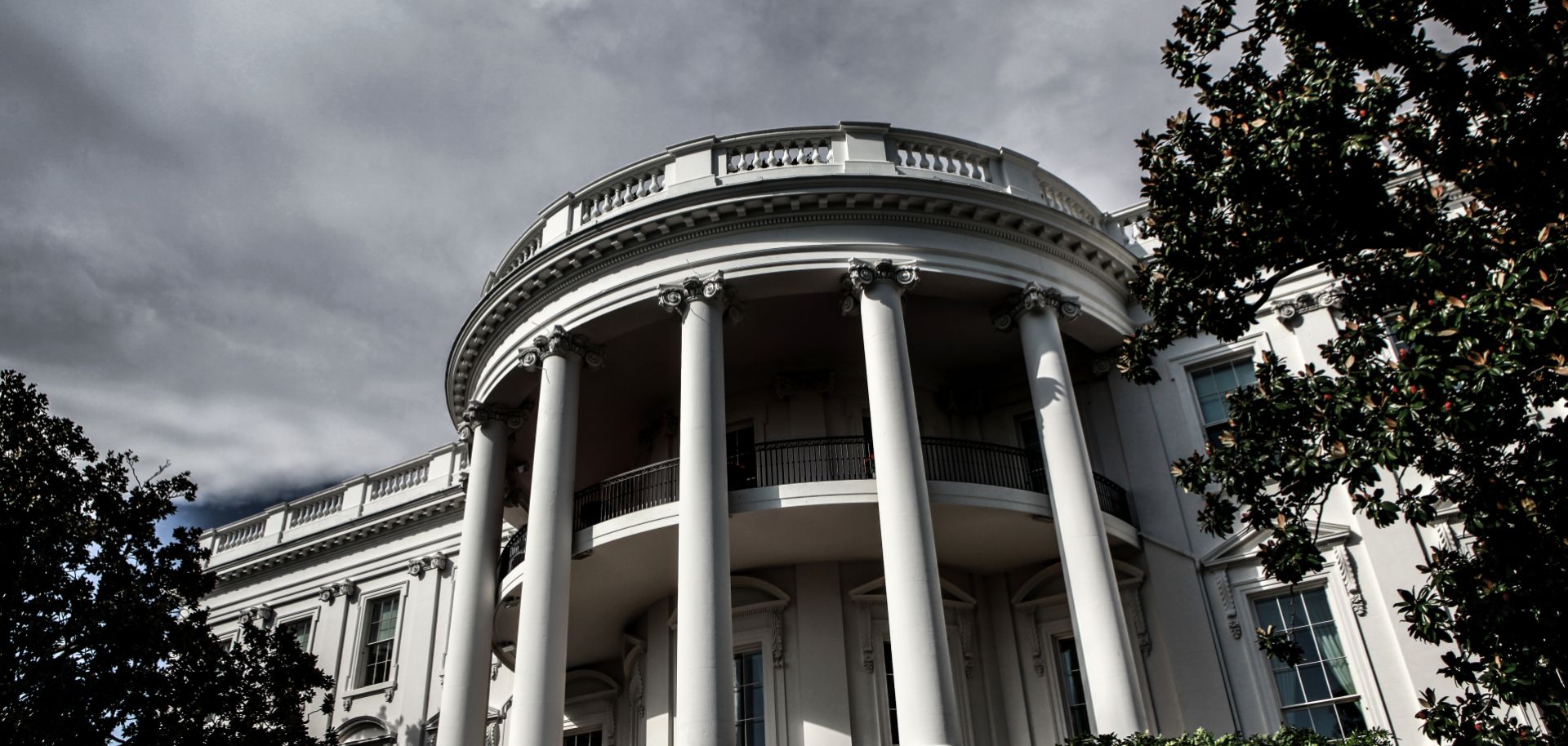
A confluence of foreign policy crises -- some of which are more avoidable than others -- is forcing the United States to weigh its options.
The White House's pledge to put "America First" in its policymaking implies that the president has a responsibility to prioritize his country's problems over the rest of the world's. But making good on that promise isn't as easy as it sounds. After all, the foreign policies of great powers are crafted, not imposed. If we can assume that every nation follows its own interests, we can also expect the executor of its foreign policy to make sense of a complex geopolitical landscape by internalizing the imperatives and constraints shaping the behavior of itself and its peers. In part this means identifying potential points of competition and collaboration, giving priority to the issues that pose a strategic threat to the republic. It also means teasing out and testing implications, determining the most critical points of stress that demand attention.
