
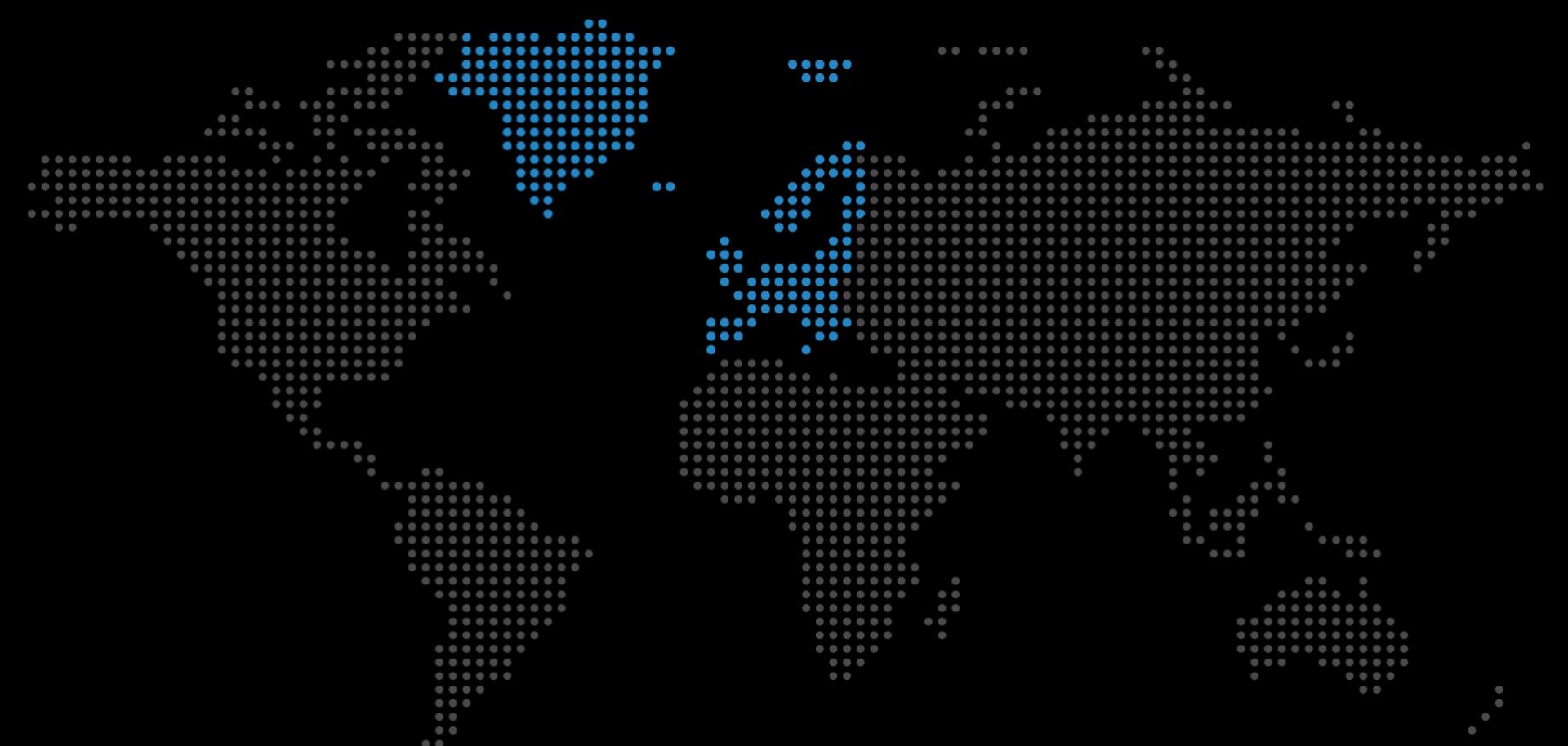
What Happened The Council of the European Union on Feb. 8 approved new rules on offshore energy pipelines originating in non-EU member states. The European Parliament will now consider the Franco-German compromise measure, which assigns negotiating authority over pipeline rules and exemptions to the country where the duct's first interconnector is located. Why It Matters If passed, the measure would give Germany negotiating power with regard to Nord Stream 2 , a 55 billion-cubic-meter (bcm) pipeline connecting Russia and Germany across the Baltic Sea. Berlin has long supported the pipeline, arguing it is not a political project but an economic one. This has not sat well among Eastern and Central European states such as Poland, Ukraine and Slovakia, which stand to lose lucrative transit contracts for Russian natural gas traversing their territory on the way to Germany via older, onshore pipelines.
