
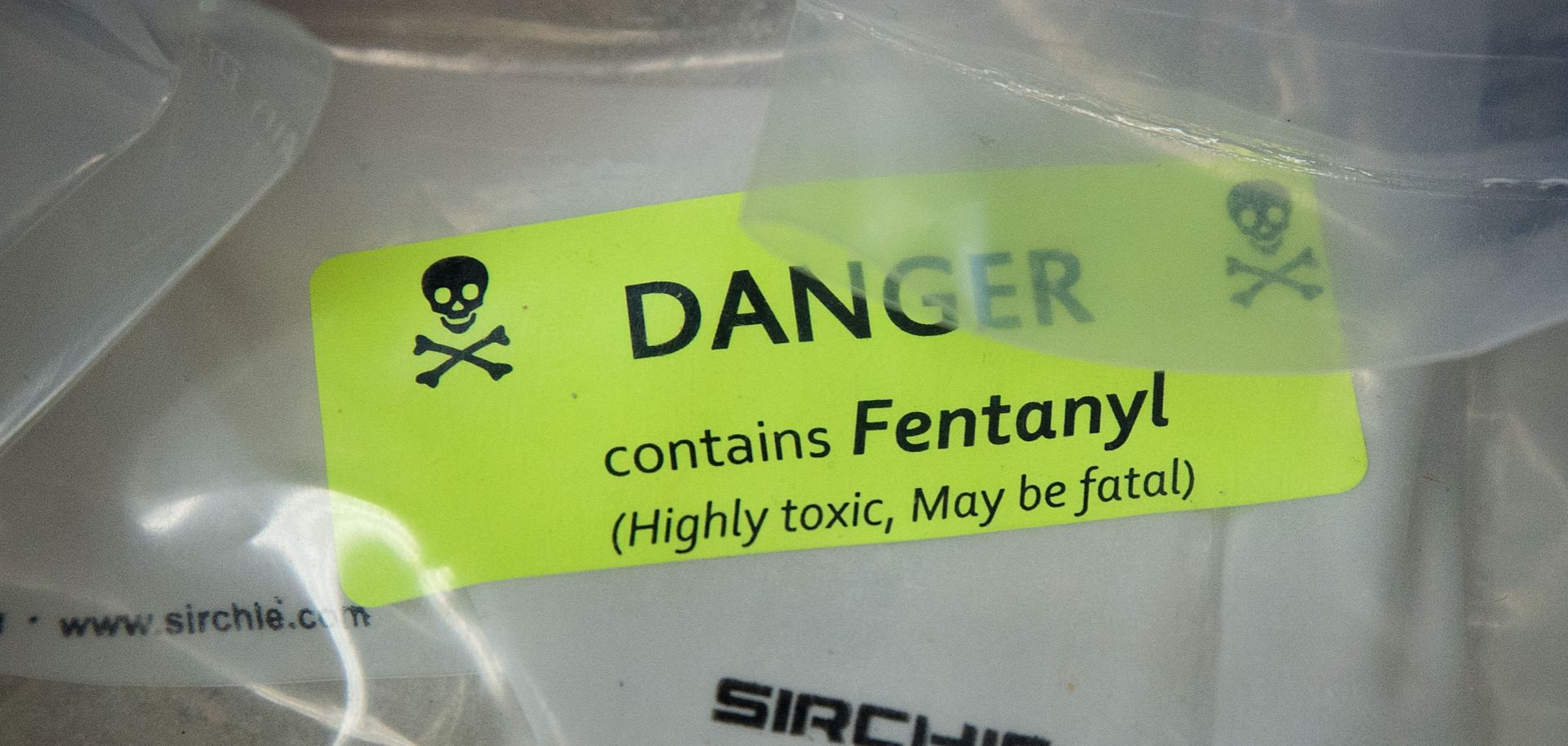
Fentanyl is fairly inexpensive, leading to drug dealers attempting to pass it off as various more expensive narcotics, such as "China White" heroin. If pressed into pill form, it can mimic pharmaceutical opiates such as oxycodone or hydrocodone.
In my July 13 On Security column about the Mexican government's anti-cartel policy , I discussed how the dynamics of the cocaine trade affected the historical trajectory of Mexican organized crime. In short, cocaine provided cartels with unprecedented quantities of cash that they then parlayed into power. Starting in the 1980s, Mexican criminal organizations began fighting over the immense profit pool produced by the lucrative trade in powder, and this infighting has continued in one form or another to this day. But cocaine was merely the first of several drugs that were game changers for Mexican organized crime groups. The latest of them, fentanyl (and related synthetic opioids), is the most profitable yet, and is rapidly becoming the deadliest drug for users north of the border.
