
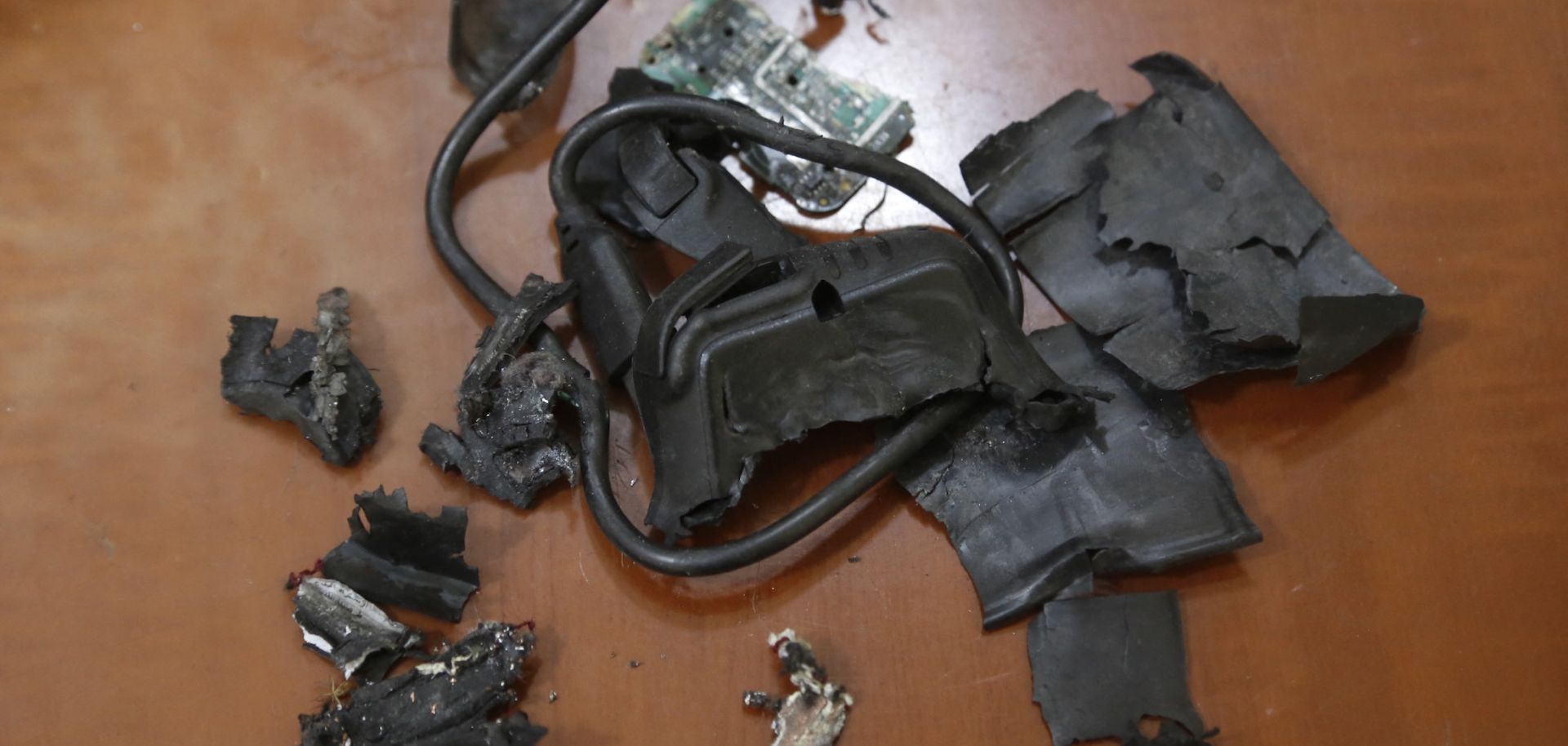
Israel's attacks on Hezbollah's communications likely signal a steady shift toward a more intense Lebanon campaign, one that will include both escalated covert action and air power as the Israelis prepare the groundwork for limited ground incursions and a larger invasion that will become more likely after the Nov. 5 U.S. election. On Sept. 17-18, thousands of pagers and two-way radios used by Hezbollah members exploded across Lebanon and Syria , injuring more than 3,000 and killing at least 37 people. Israeli intelligence reportedly planted explosives in the devices before they were delivered to Hezbollah about five months ago. On Sept. 19, Israel Defense Forces announced it would begin strikes on southern Lebanon to destroy Hezbollah's ability to strike Israel as IDF Chief Herzi Halevi approved updated war plans against the Shiite militant group. Hezbollah chief Hassan Nasrallah meanwhile vowed Sept. 19 to continue to fight Israel despite the attacks.
