
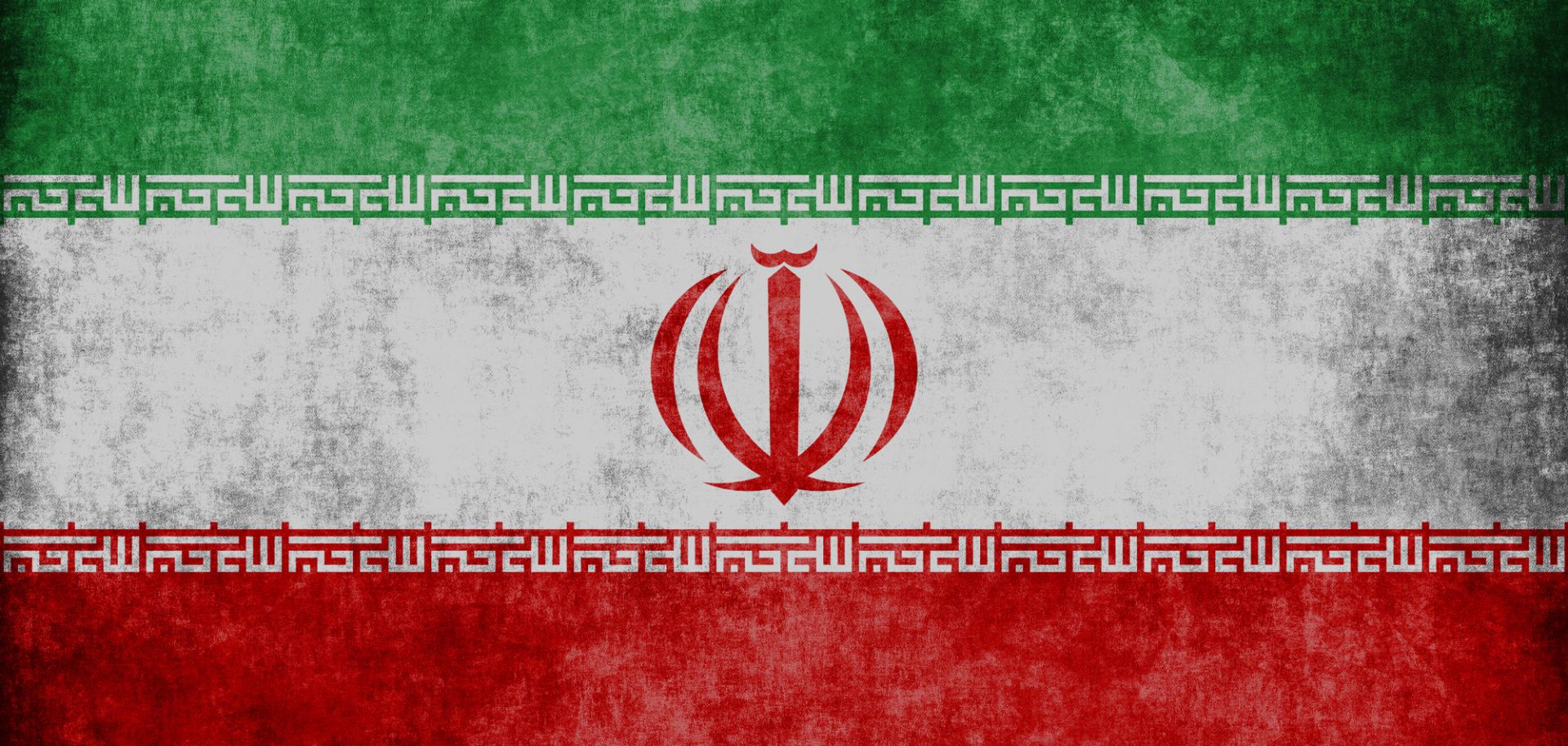
As the United States ramps up its pressure campaign on Iran, Tehran has maintained its defiance. As U.S. warships maneuver near the Arabian Peninsula, Iran has stated its intent to return to activities prohibited under the nuclear deal that Washington abandoned last year. A series of Stratfor analyses helps explain how the confrontation between the United States and Iran got to this point.
The Geopolitics of Iran: Holding the Center of a Mountain Fortress Dec. 16, 2011: Iran is secure from conceivable invasion. It enhances this security by using two tactics. First, it creates uncertainty as to whether it has an offensive nuclear capability. Second, it projects a carefully honed image of ideological extremism that makes it appear unpredictable. It makes itself appear threatening and unstable. Paradoxically, this increases the caution used in dealing with it because the main option, an air attack, has historically been ineffective without a follow-on ground attack. If just nuclear facilities are attacked and the attack fails, Iranian reaction is unpredictable and potentially disproportionate. Iranian posturing enhances the uncertainty. The threat of an air attack is deterred by Iran’s threat of an attack against sea-lanes. Such attacks would not be effective, but even a low-probability disruption of the world’s oil supply is a risk not worth taking.
