
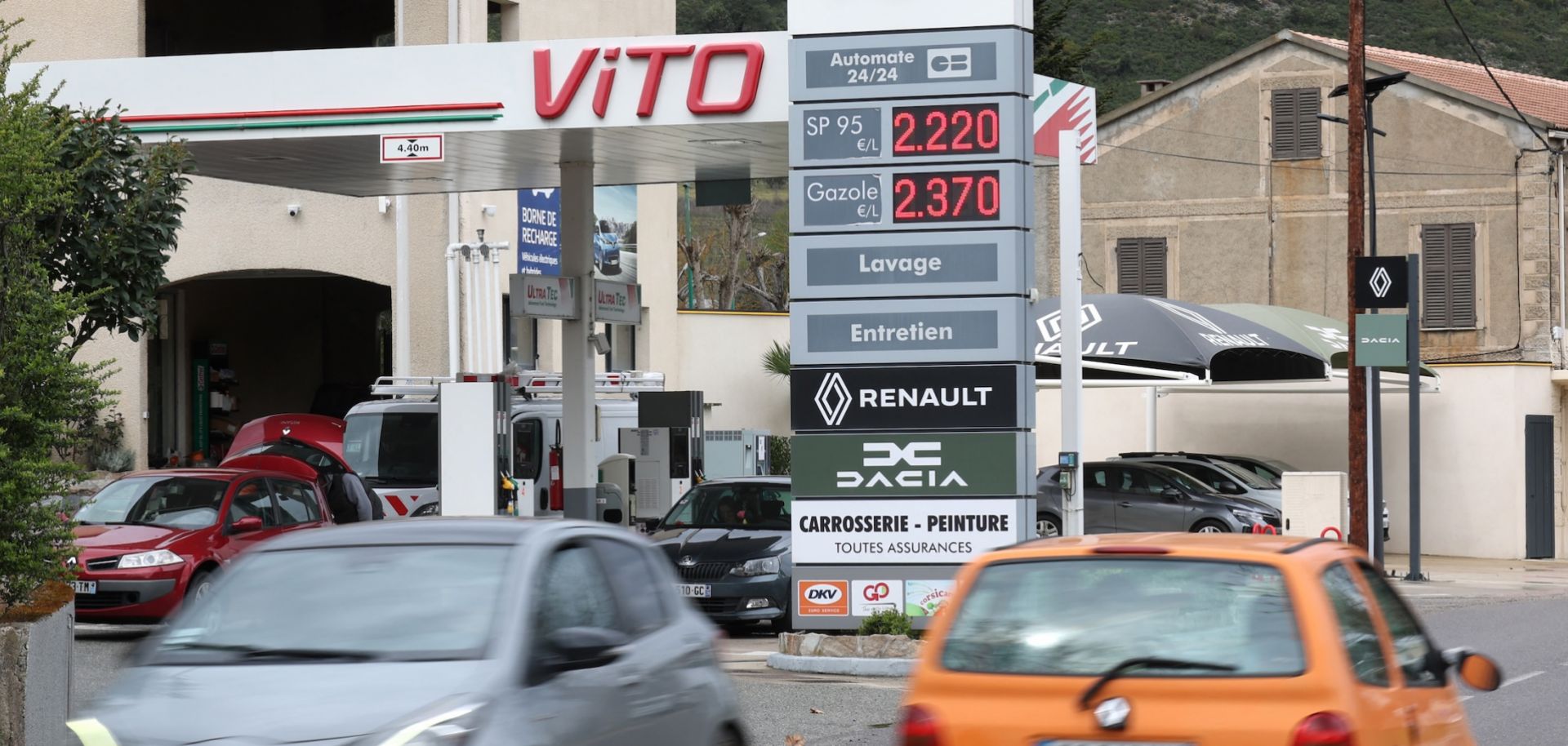
While Gulf oil and gas supply disruptions are driving higher and more volatile energy prices in Europe, EU-wide market interventions remain unlikely, leaving a fragmented patchwork of national relief measures that will only partially shield households and industry, and although Europe will avoid physical shortages, high prices will continue to weigh on industrial competitiveness and economic growth. Four weeks since the start of the U.S.-Israeli conflict with Iran on Feb. 28, the effective closure of the Strait of Hormuz — through which passes roughly 20% of global oil and liquefied natural gas (LNG) trade — has reignited fears of a protracted energy crisis in Europe. Ongoing drone and missile threats and naval mines have curtailed oil and gas output in key Gulf countries and brought tanker and LNG carrier traffic to a near-standstill.
