
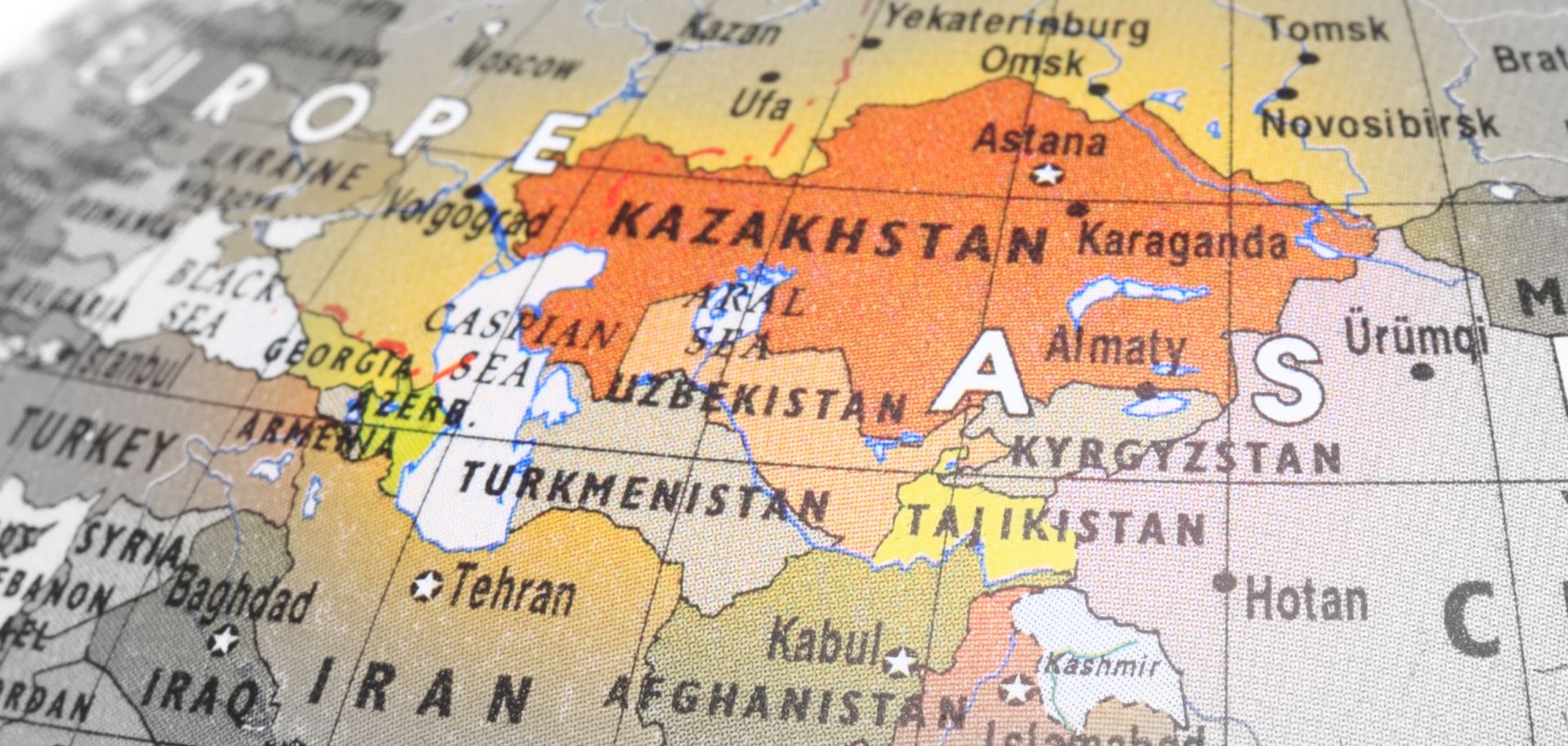
Central Asia is changing. In October, Kyrgyzstan had its first peaceful transfer of power from one elected president to another. Less than a year earlier, Uzbekistan's succession of power unfolded in a similarly peaceful manner. And in recent months, Kazakhstan's own long-serving president has made preparations for his eventual succession. These developments contrast with the volatile political transitions that came earlier in Central Asia's post-Soviet history, namely two violent revolutions in Kyrgyzstan, a bloody civil war in Tajikistan and an unexpected succession in Turkmenistan. The widespread instability expected as a result of Uzbekistan and Kyrgyzstan's political transitions hasn't — at least, not yet — come to pass. These more stable transitions are significant, given Central Asia's importance as an oil and natural gas-producing region, a hotspot for militancy, and a locus of strategic interest for foreign powers such as Russia, China and the United States.
