
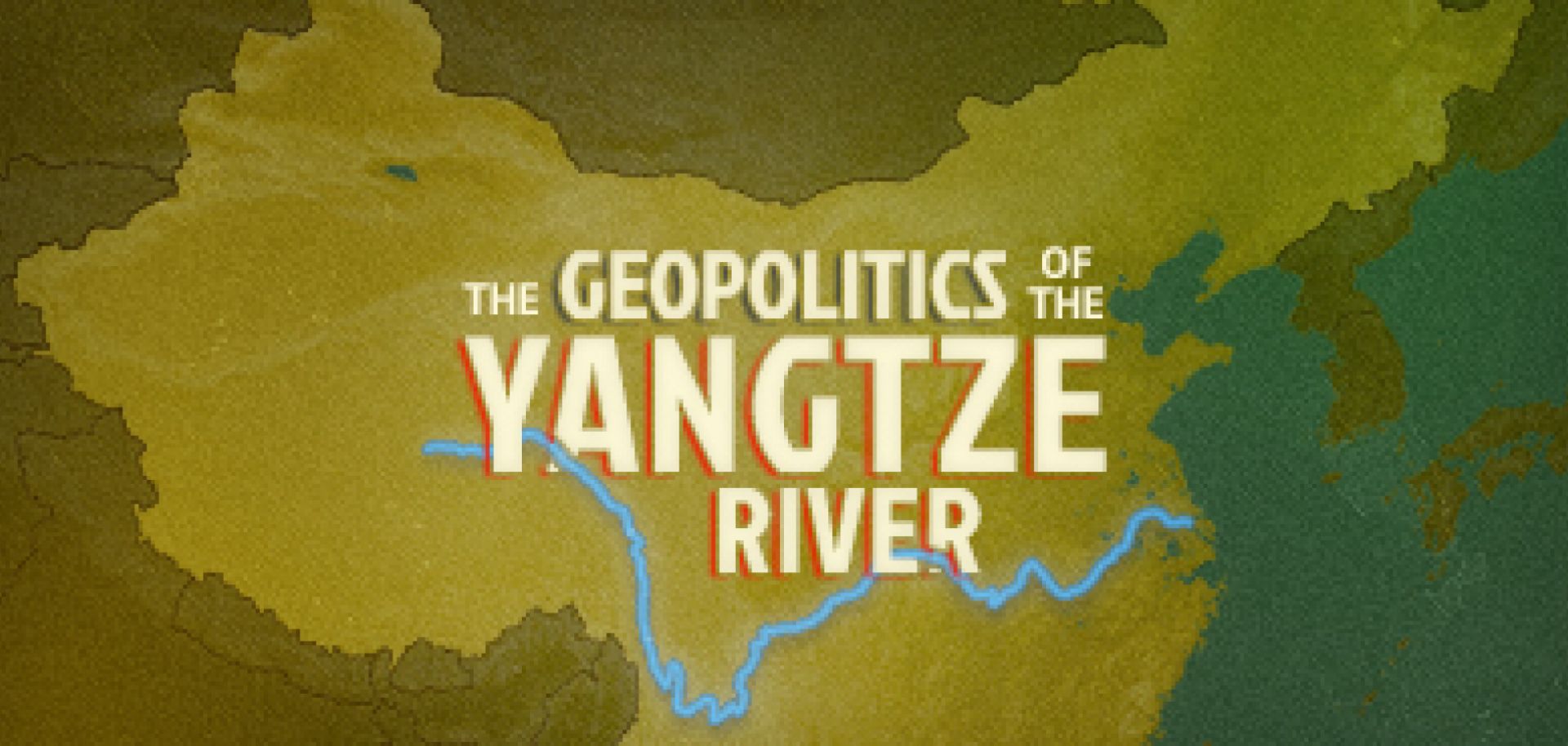
Editor's Note: This is the third piece in a three-part series on the geopolitical implications of China's move to transform the Yangtze River into a major internal economic corridor. Part one provides a broad overview of the geography and history of the Yangtze River region and its role in shaping Chinese politics and statecraft. Part two examines the strategic river city of Wuhan, and part three considers the political economy of Beijing's push to develop the Yangtze River corridor. Beijing pursues far-reaching development programs such as the industrialization of the Yangtze River region not always because they make economic sense — often they do not — but because it must do so to sustain the basic social and economic structures that secure the regime.
