
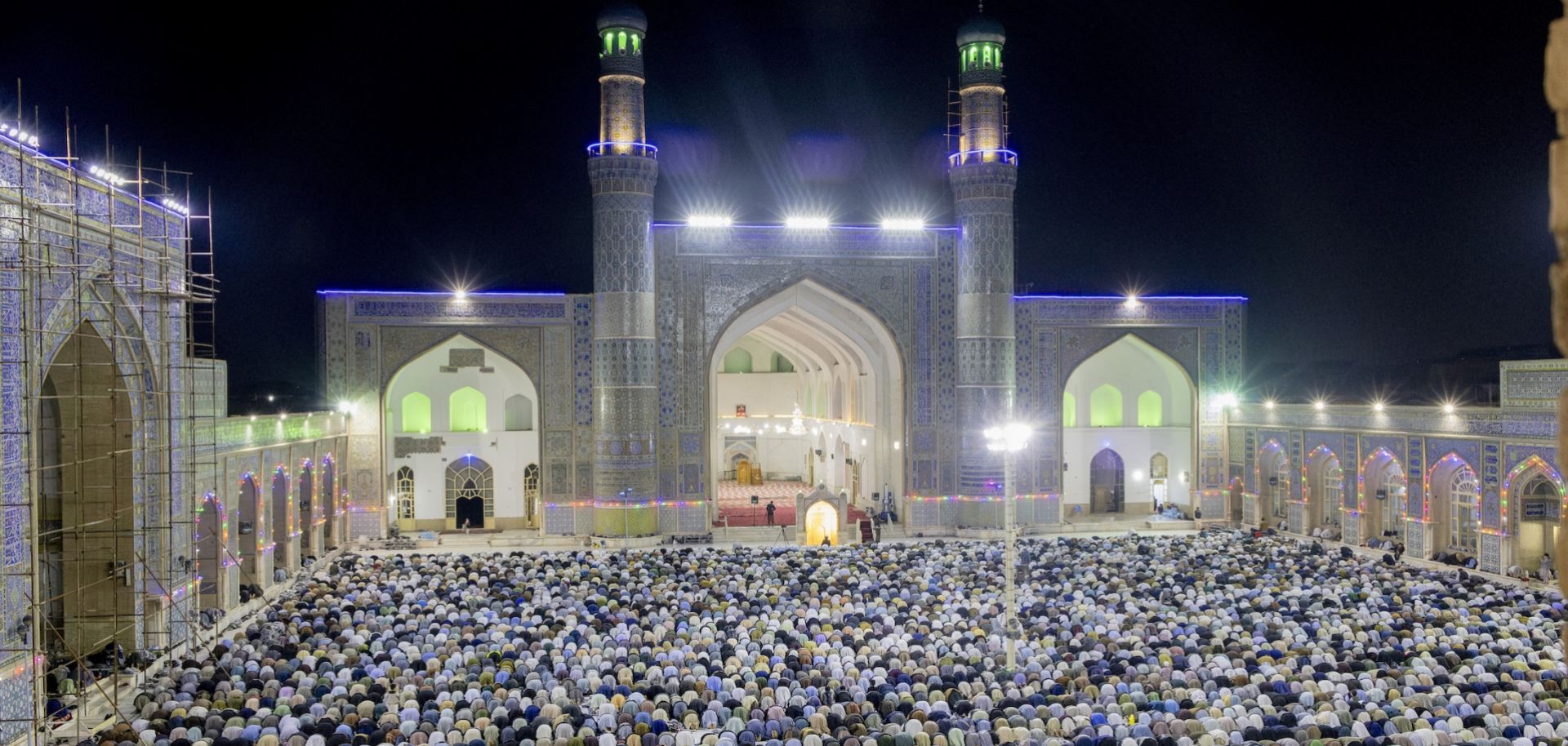
Once widely seen as ascendant in the wake of the Arab Spring, Islamism in the Middle East has experienced notable reversals, from the overthrow of Egypt's Muslim Brotherhood President Mohammed Morsi in 2013 to the downfall of Tunisia's Ennahda movement, which went from running the country to returning to the underground. Among those who adhere to the most extreme interpretations, many leading Salafi jihadists, like the Islamic State, have gone from rise to ruin in the region. But that hardly means the ideals of Islamism — ranging from extremist, hard-line positions to the comparatively more liberal secular interpretations — have vanished, or have no future at all, particularly as the broad ideology evolves in the face of sustained geopolitical pressure. Whether Islamism revives as in the Levant, evolves pragmatically through parties with Islamic values as in Turkey, or changes beyond all recognition remains up in the air.
