
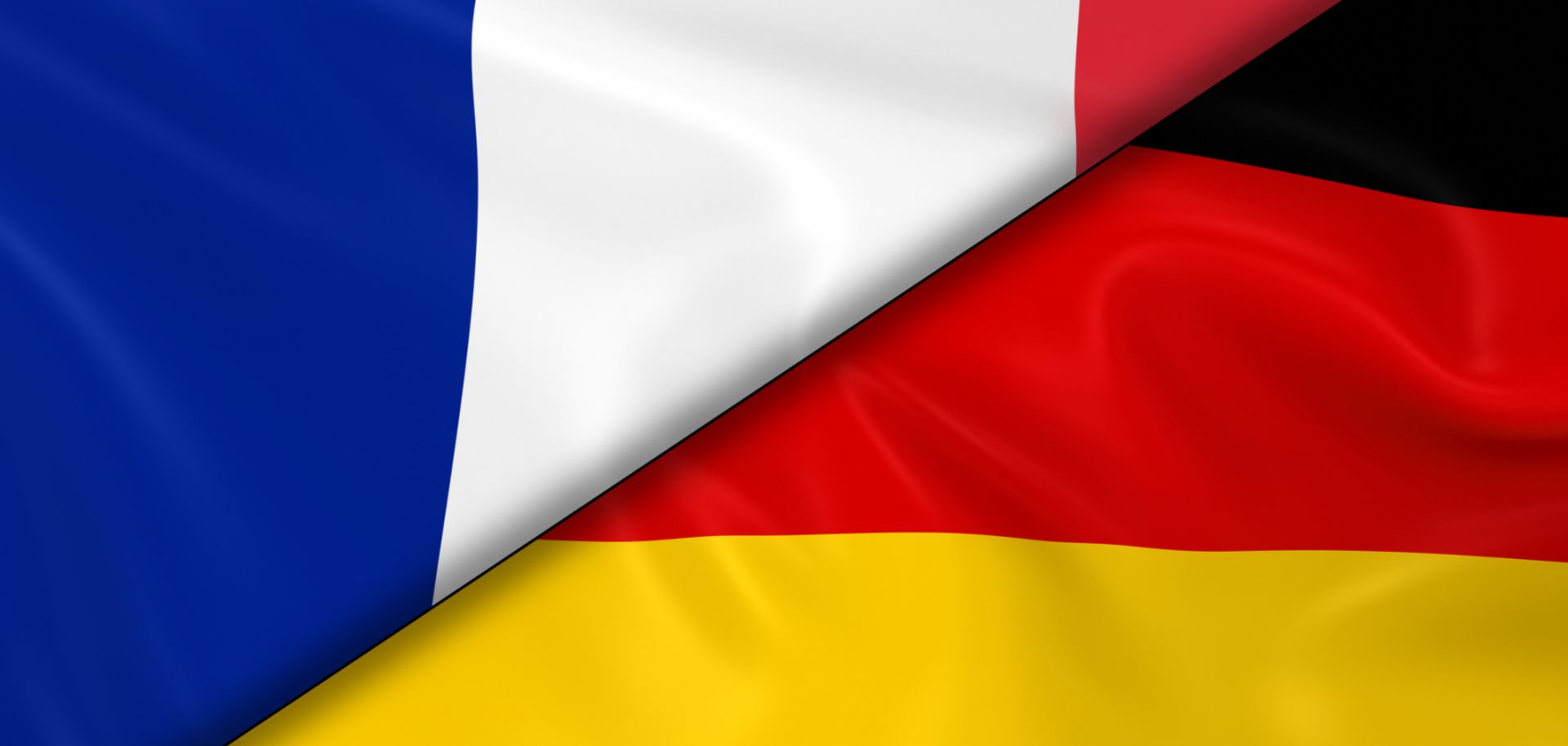
For almost seven decades, Germany and France have been the most influential members of the European Union . As the largest economies and the most populated countries on the Continent, they were the leading forces behind historical decisions such as creating a single market, introducing a shared currency and designing supranational institutions to manage the bloc. While over the past two decades factors including EU enlargement (which added new member states and made decision-making more complex) and weak economic growth (which somewhat reduced Berlin's and Paris' ability to impose their policy preferences on smaller member states) have somewhat reduced their shared influence, Franco-German acquiescence is still necessary (albeit not sufficient) for the European Union to make crucial decisions on domestic and foreign policy.
