
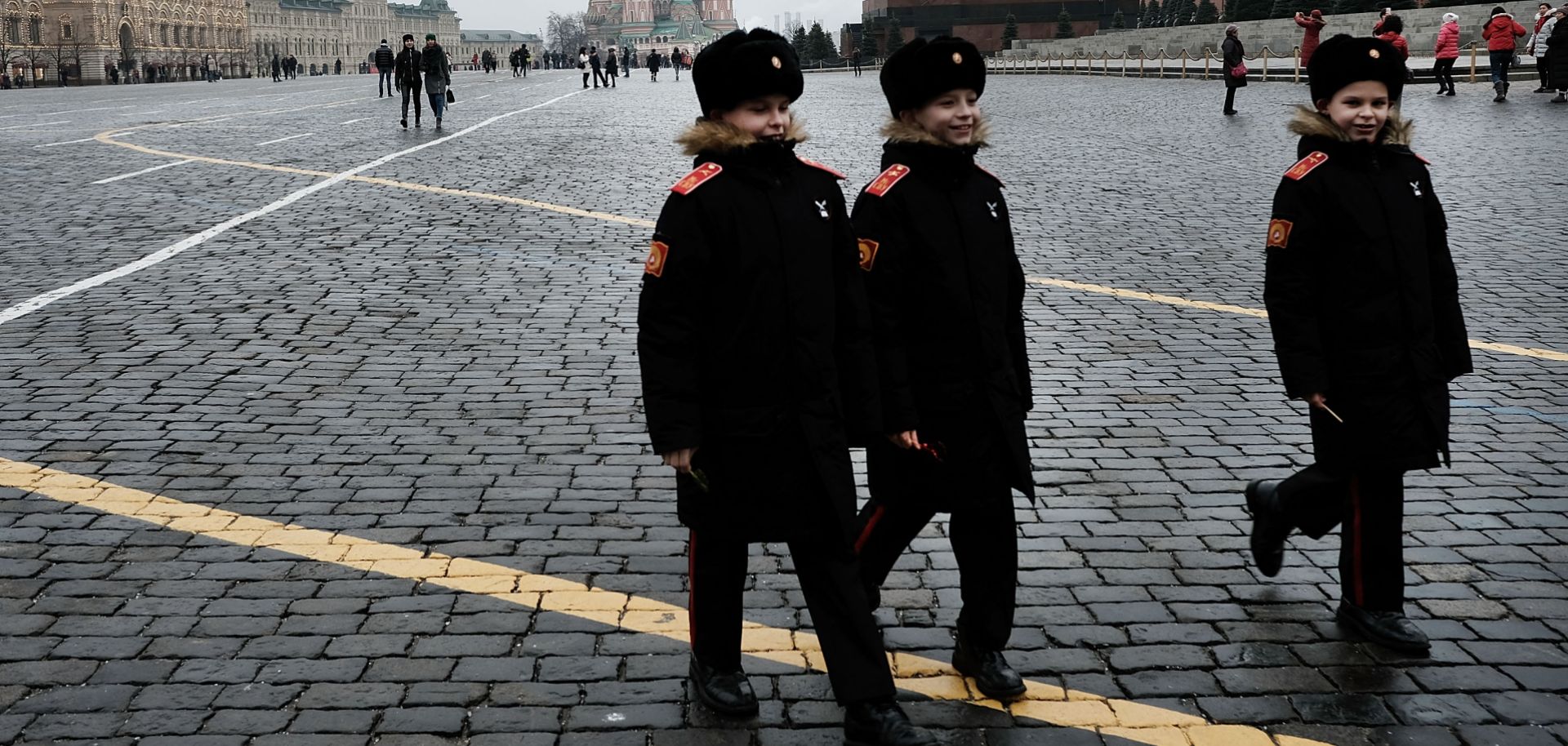
The collapse of the Soviet Union a quarter century ago marked not only the end of an era but also the dawn of a new one. In its wake, the Russian Federation emerged, along with 14 newly independent countries spanning the Eurasian landmass. Former Soviet republics from Eastern Europe to the Caucasus to Central Asia suddenly gained the ability, at least in theory, to pursue their own domestic and foreign policies independent of Russia. And though it had lost its empire, Russia, too, had an opportunity to chart a new course in its economic, social and political development. But old habits die hard. Over the course of more than 70 years, the Soviet Union ingrained political and cultural characteristics into its member states that were hard to shake. Its citizens were accustomed to life in a centralized political system with low living standards and a high incidence of corruption.
