
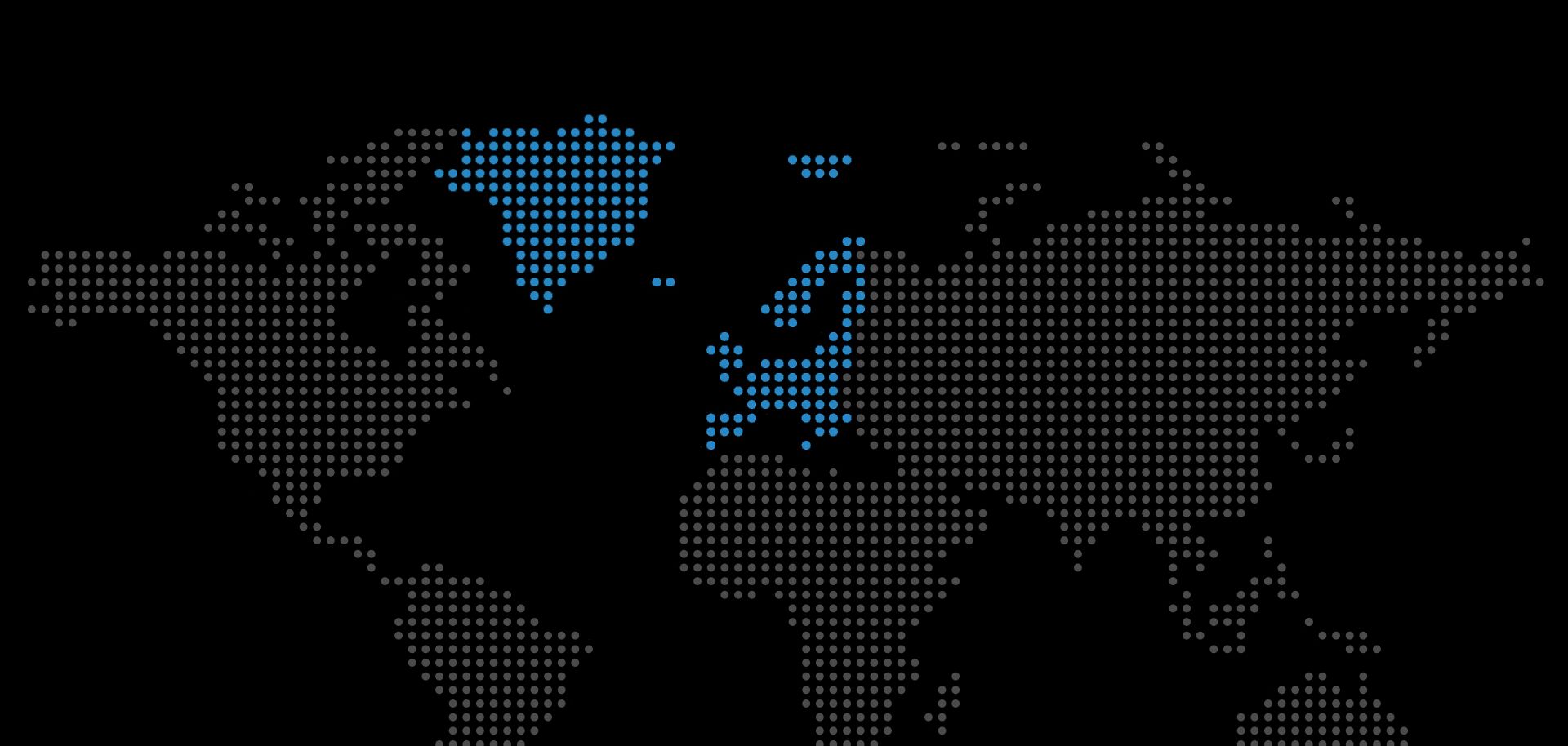
Once again, energy ties with Russia have become a source of controversy in the European Union. On July 25, representatives from member states gathered in Brussels to discuss their joint energy strategy at a meeting chaired by the Estonian government. Estonia currently holds the rotating presidency of the Council of the European Union and is interested in diversifying the union's energy sources and reducing its dependence on Russian natural gas . One of the thorny dilemmas under discussion at the meeting was the future of the Nord Stream II pipeline project, which would transport additional natural gas from Russia to Germany through the Baltic Sea, bypassing Eastern Europe. The pipeline is controversial in Europe, and 13 EU members recently protested the project, arguing that it would increase European dependence on Russian natural gas.
