
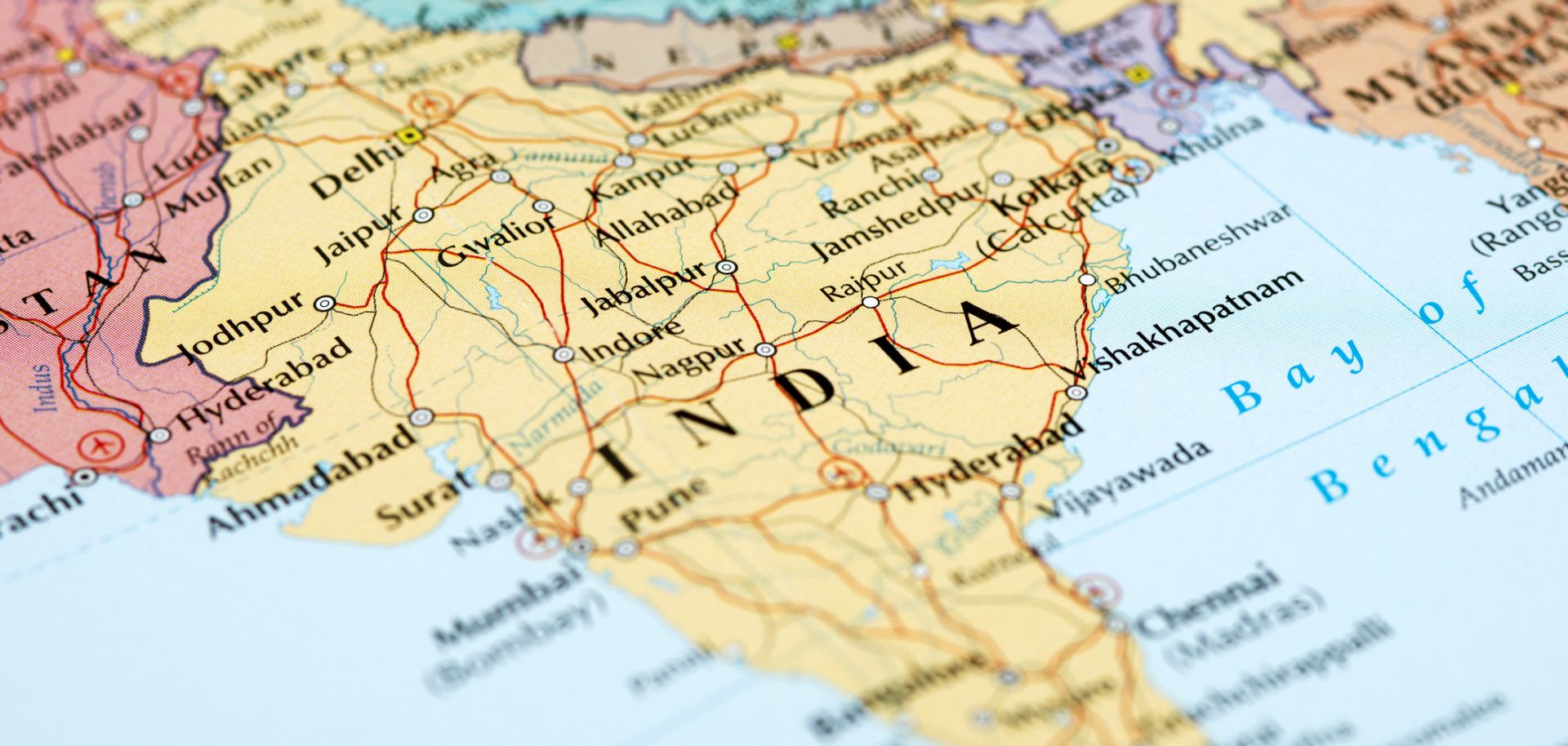
With its Act East policy, India is focused on strengthening its trade and infrastructural ties with Southeast Asia.
India has long looked east across the Bay of Bengal to Southeast Asia. Throughout its history, Indian traders and missionaries plying its waters for Malaysia and Indonesia brought Islam, Hinduism and Buddhism to the region with them. Those ties have lingered into the present, and Indian Prime Minister Narendra Modi has touched upon their shared cultural and religious connections through soft power diplomacy as part of his government's Act East policy. Seeking to expand India's economic and strategic linkages to a region, which along with India encompasses 1.85 billion people and a combined gross domestic product of $3.8 trillion, Modi's Act East policy is driven by a host of factors. These include moving to counterbalance the rise of Chinese regional influence, promoting Indian services and goods exports, and catalyzing the development of the country's impoverished northeastern wing through infrastructure projects linking India with Myanmar, Thailand and beyond.
