
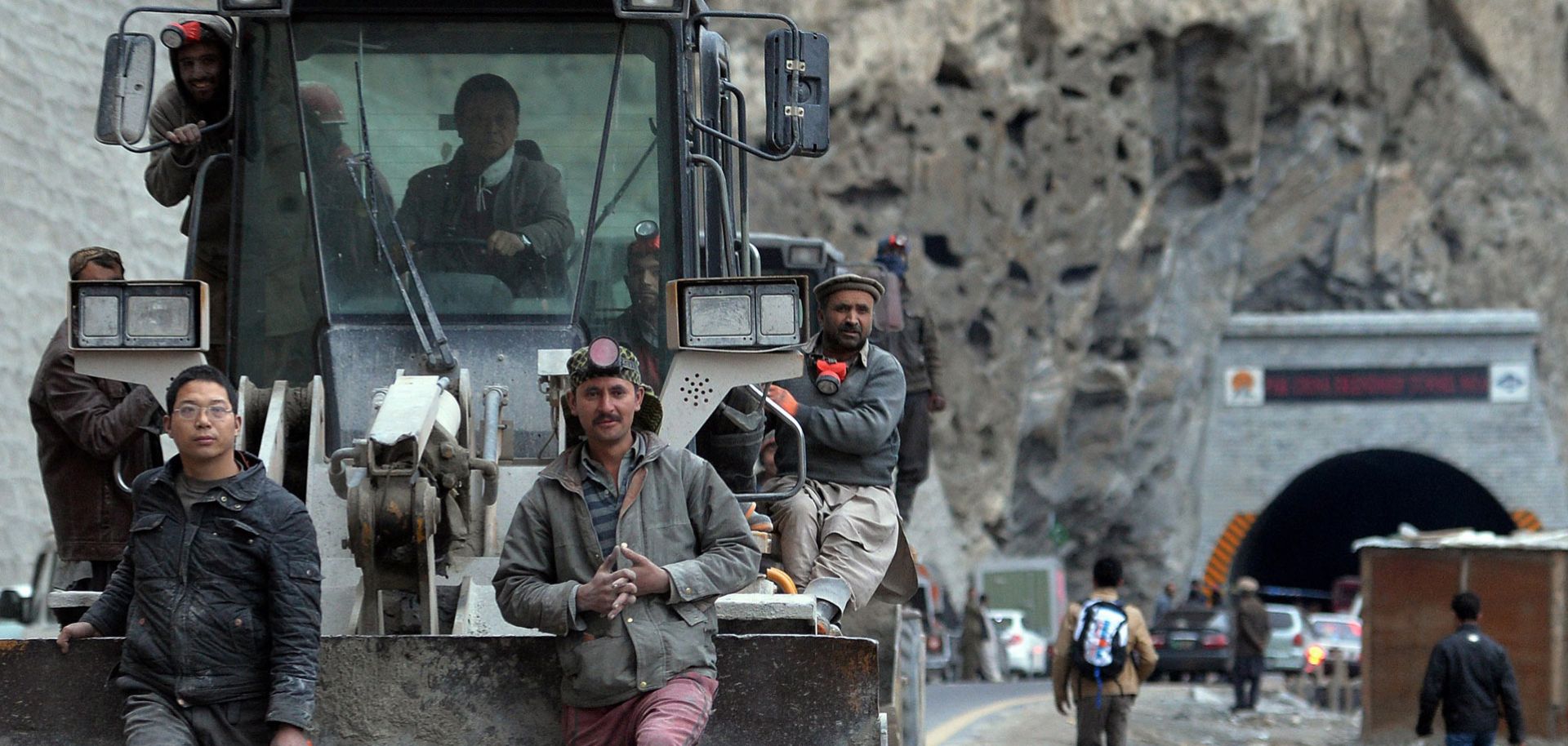
In November 1979, the Jinghe Share Holding Co. opened its doors in Tokyo, marking China's first overseas investment and the start of the country's transformative economic opening. Today, China has become the world's second-largest investor and biggest supplier of capital. While other markets are in recession, China's economy continues to grow, however slowly. Without question, the gravity of China's economy, coupled with its ever-expanding reach into global affairs, will secure its place of influence in the international system for decades to come. But the sort of presence Beijing seeks abroad is evolving. For China, as for most countries, investment and acquisition are key components of its strategy for development and, to some extent, national security. Yet as China embarks on the long path leading away from an export-based model of economic growth and toward one dependent on domestic consumption , its investment priorities are shifting.
