
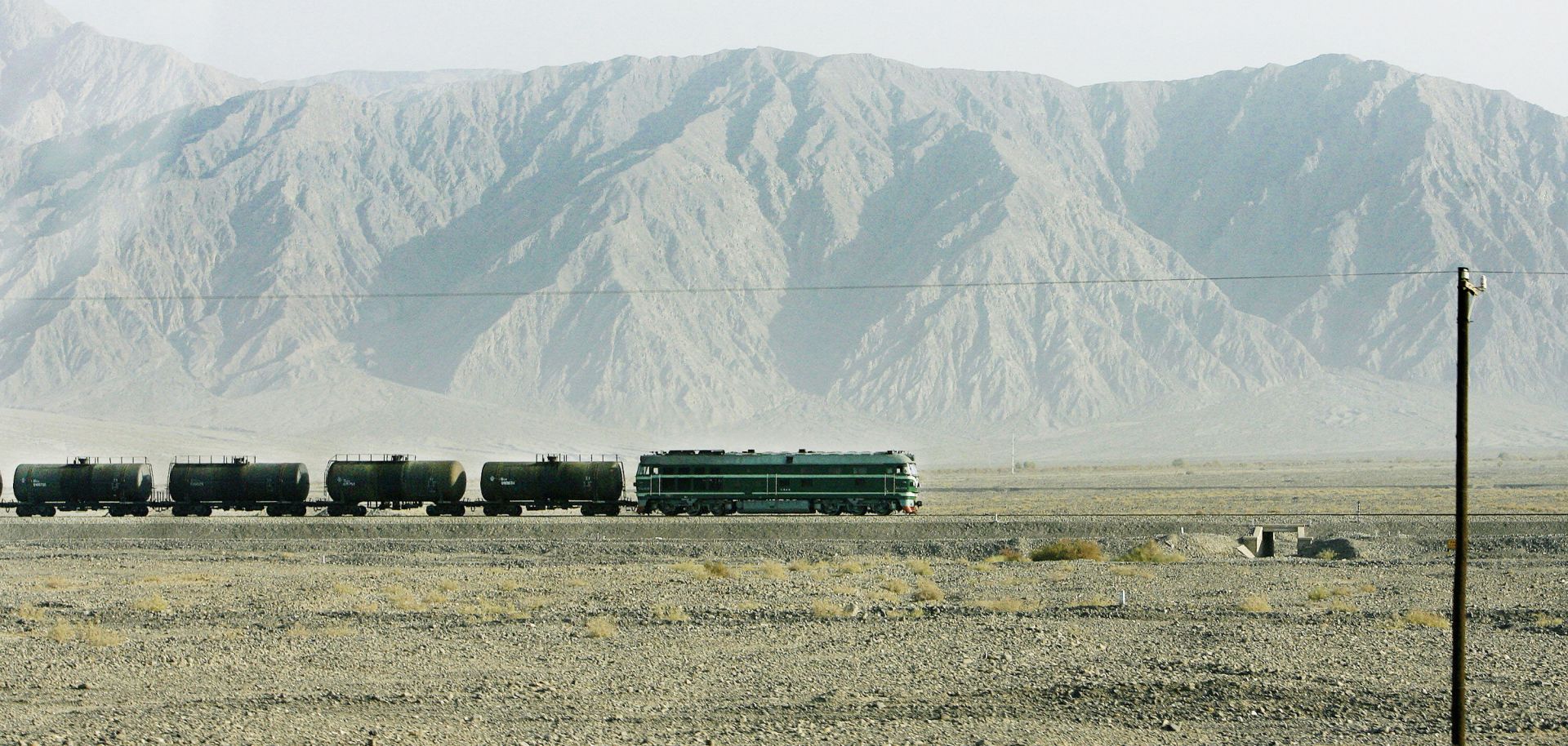
The Silk Road has become the stuff of legend. For centuries, the web of trade routes, which expanded to traverse Central Asia and the Mediterranean Sea, connected China to the European Continent, facilitating commerce and cultural exchange. But beyond the economic opportunity that the Silk Road afforded China, it also served a strategic purpose. The Han Dynasty first pursued the routes to defend its heartland from overland invasion and to extend its influence westward. Subsequent rulers in the country continued this mission in one form or another over millennia and through different forms of governance. Mao Zedong, for instance, started the Third Front Movement in the mid-1960s to fortify China's interior. And today, as the country's political and economic priorities evolve , its quest to develop its more remote reaches and diversified trade routes while enhancing its access to foreign markets in the region is no less important.
