
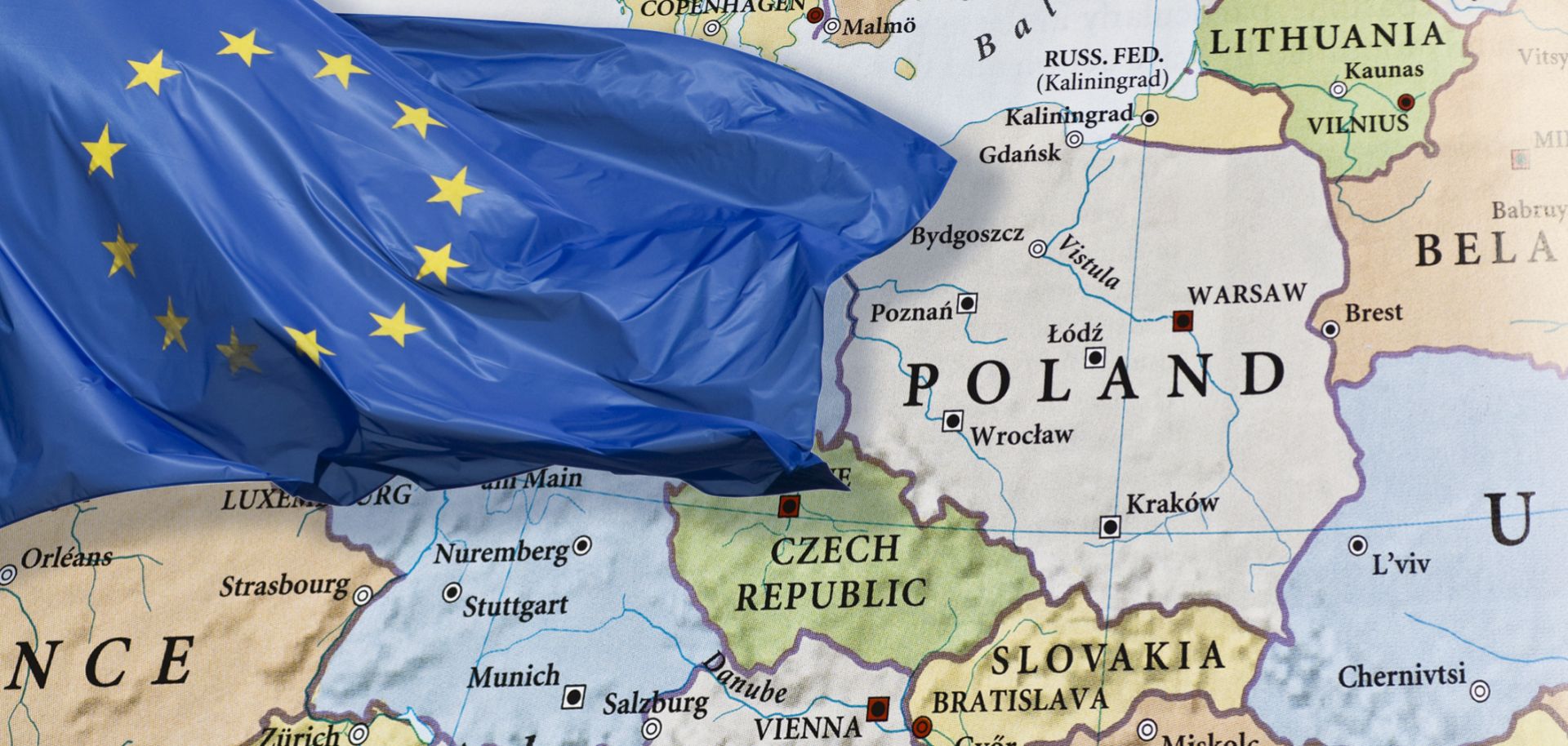
The countries of Central and Eastern Europe have a complex relationship with the European Union. They rushed to join the bloc after the end of the Cold War, and since then, they have been among the fastest-growing countries in Europe.
As the European Union braces for reform , the countries of Central and Eastern Europe are approaching a crossroads. Some are interested in drawing closer to the bloc: The leaders of Slovakia and the Czech Republic recently said that their countries belong in the "core" of the union, and a minister from Romania spoke about joining the eurozone within five years. But others are keeping their distance: The Hungarian and Polish governments insist that the European Union has no right to interfere in their domestic affairs. These developments show an increasing awareness in the region that strategic decisions are fast approaching. The countries of Central and Eastern Europe have a complex relationship with the European Union. They rushed to join the bloc after the end of the Cold War, and since then, they have been among the fastest-growing countries in Europe.
