
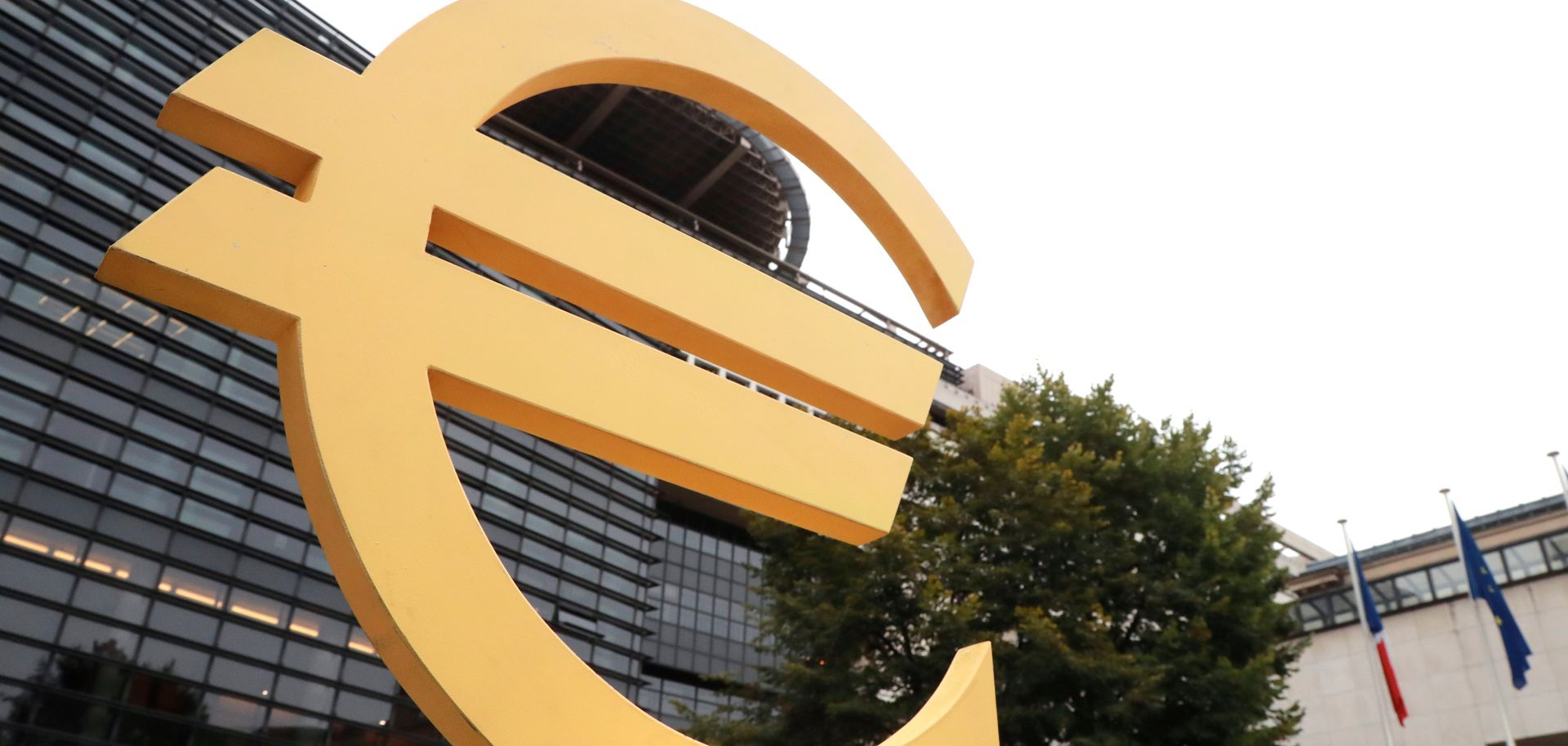
When Britain leaves the European Union, it will take with it the sizable financial contributions it makes to the bloc's budget. That will leave remaining member states with some difficult choices to make about how big future budgets should be, what they should pay for and how much members should pony up for them. In all likelihood, key policies — from agricultural subsidies to development funds — will have to be redesigned. And as members decide how to proceed, new sources of conflict will arise that will do little to help reverse the bloc's political fragmentation. The EU budget is organized around the Multiannual Financial Framework, which establishes spending priorities and limits for a seven-year period. (The current one lasts through 2020.) Every year, the European Commission, the European Parliament and EU member states negotiate annual budgets based on the spending limits and priorities established by this framework.
