
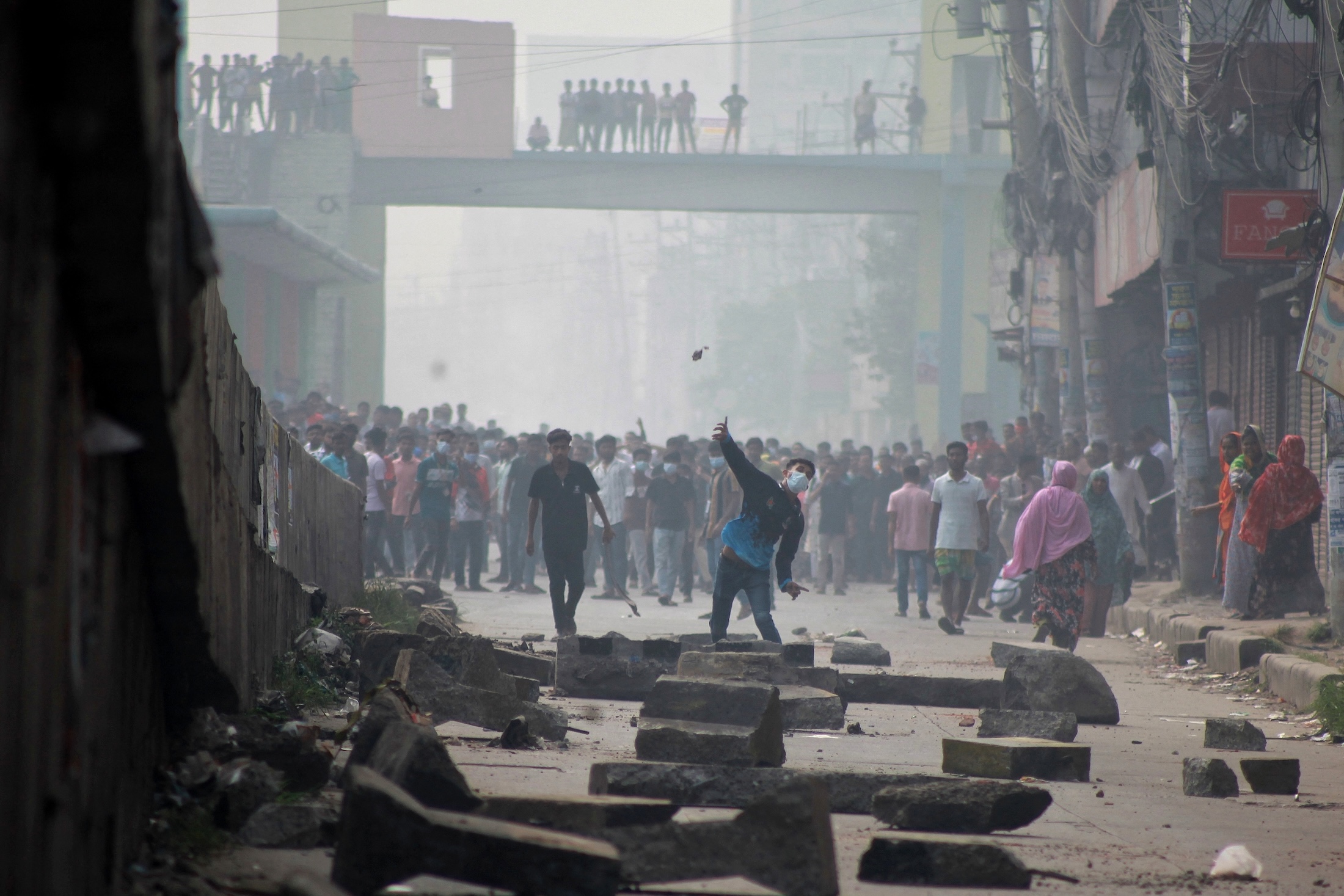
In Bangladesh, continued delays in wage negotiations will likely prolong labor unrest and increase the risk of further factory closures and production disruptions, threatening export commitments and placing additional pressure on the country's economy, which relies heavily on the ready-made garment sector . Protests by garment workers in Bangladesh continued on Nov. 19, with demonstrations and highway blockades reported in Gazipur, a major garment manufacturing hub north of Dhaka, while clashes between workers and police also erupted in Ashulia and Savar, major garment manufacturing areas northwest of the capital. The unrest began on Oct. 14, when garment workers in Dhaka protested to demand a raise in the monthly minimum wage from Tk 12,500 (approximately $101) to Tk 30,000 (approximately $245) amid rising living costs. In response, the government established a six-member Minimum Wage Board on Nov. 1 to negotiate a revised pay structure between workers and factory owners.
