
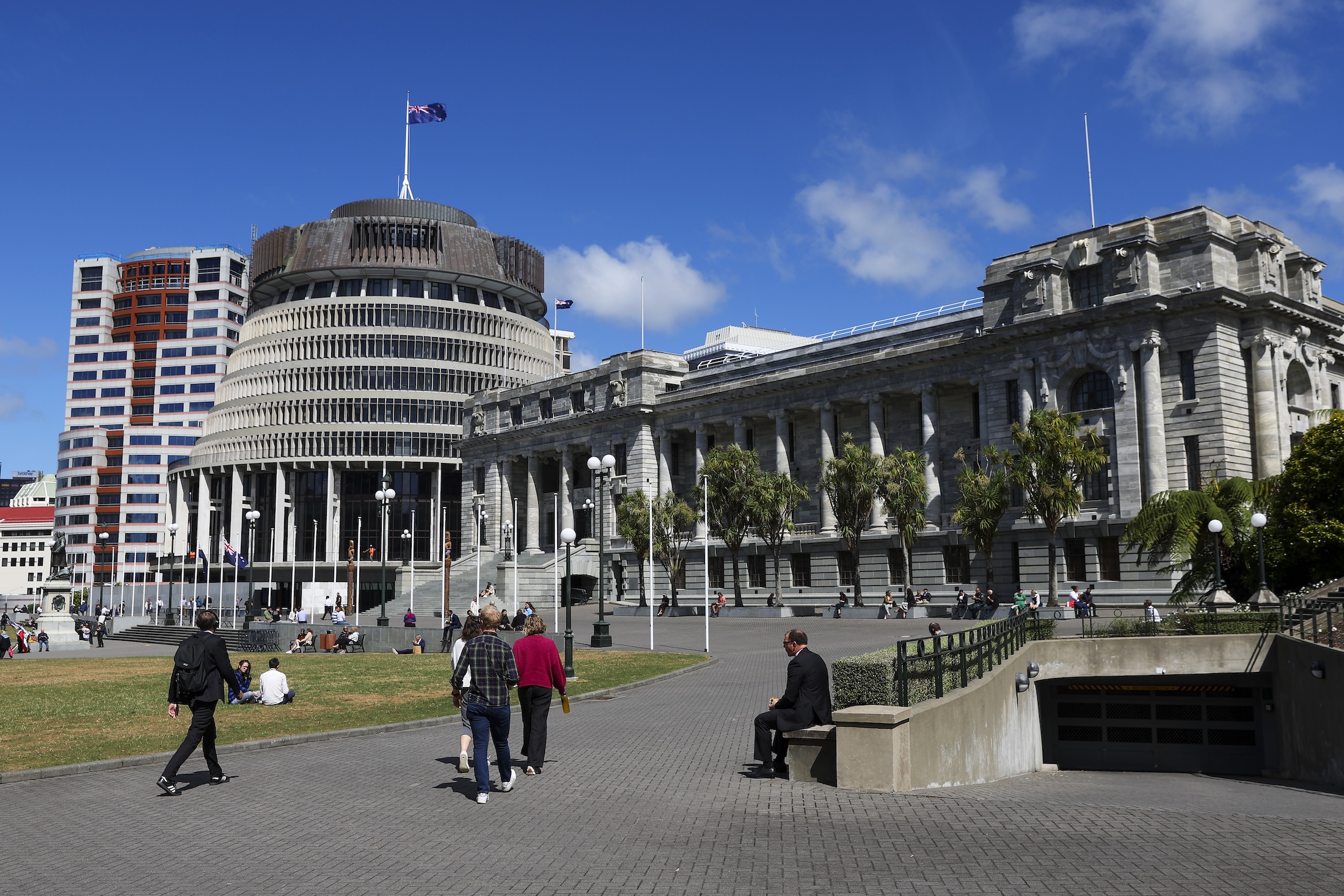
New Zealand's likely close election is set to strengthen smaller parties' influence over economic and security policy, while fiscal and inflation pressures will constrain the next government's ability to ease living costs. New Zealand will hold a general election Nov. 7, with Prime Minister Christopher Luxon's center-right National Party seeking a second term against former Prime Minister Chris Hipkins' center-left Labour Party. A Nov. 3 1News-Verian poll placed National at 30%, just ahead of Labour's 29%. National governs in a coalition with the libertarian ACT Party and nationalist New Zealand First, while Labour's potential partners include the Greens and the Indigenous rights party Te Pati Maori. The poll's seat projections left both blocs short of a majority without support from the centrist Opportunity Party, which registered 6%.
