
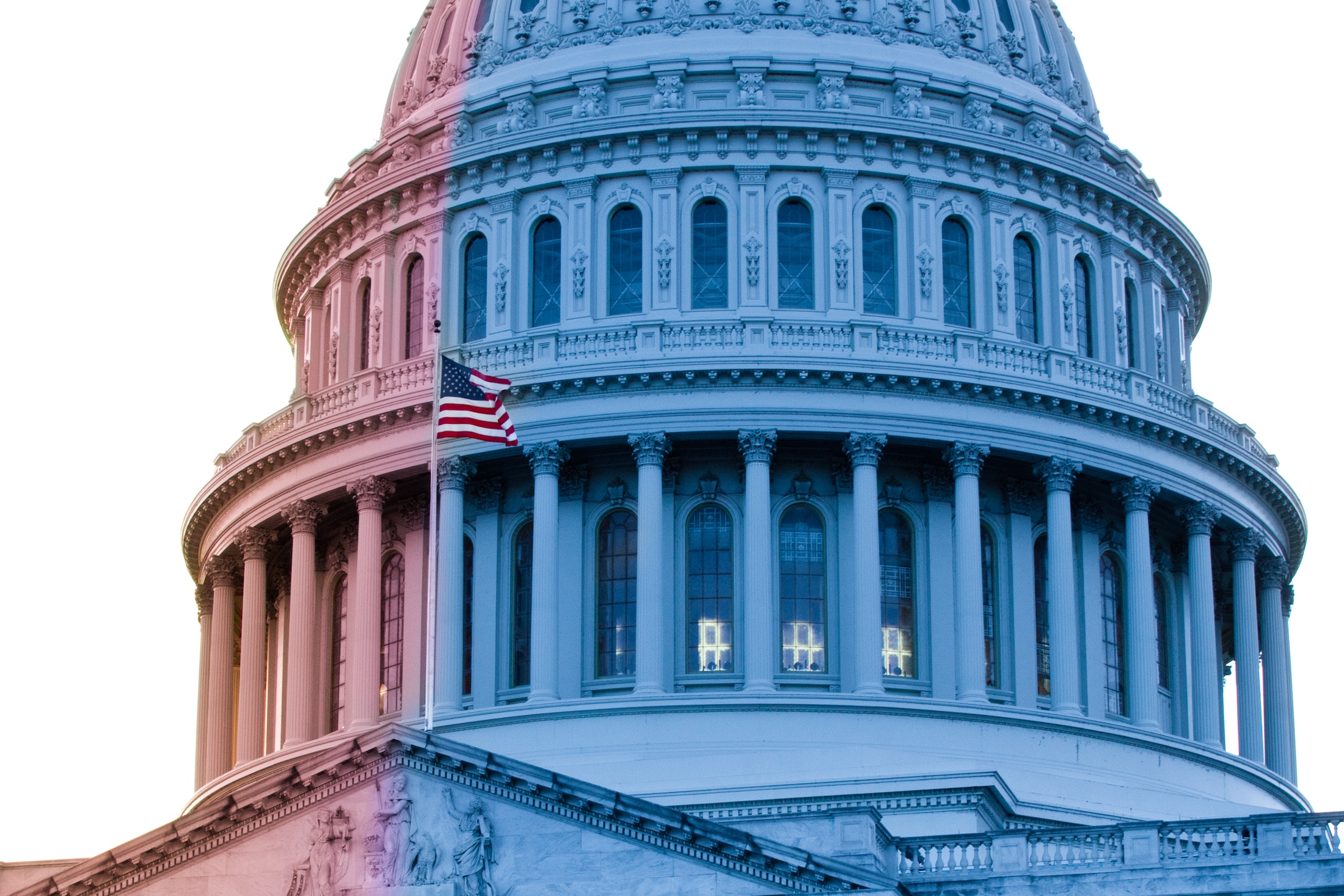
The Democrats' sweeping victory in U.S. midterm elections will likely drive a growing wedge between U.S. President Donald Trump and the Republican Party during his final two years in office, forcing the president to rely more heavily on executive action for economic and deregulatory policies while also creating opportunities for bipartisan cooperation to push back against the president's most unpopular policies, including the war on Iran and tariffs. The Democrats had a historic performance in the U.S. midterm elections on Nov. 3, securing at least 54 seats in the Senate, with prediction markets expecting them to win two more seats in Alaska and Mississippi, and to win enough seats in the House of Representatives to secure the party's largest majority since at least 2008. The results are decisive enough to dispel any concerns that the White House and the broader Republican Party could object to them.
