
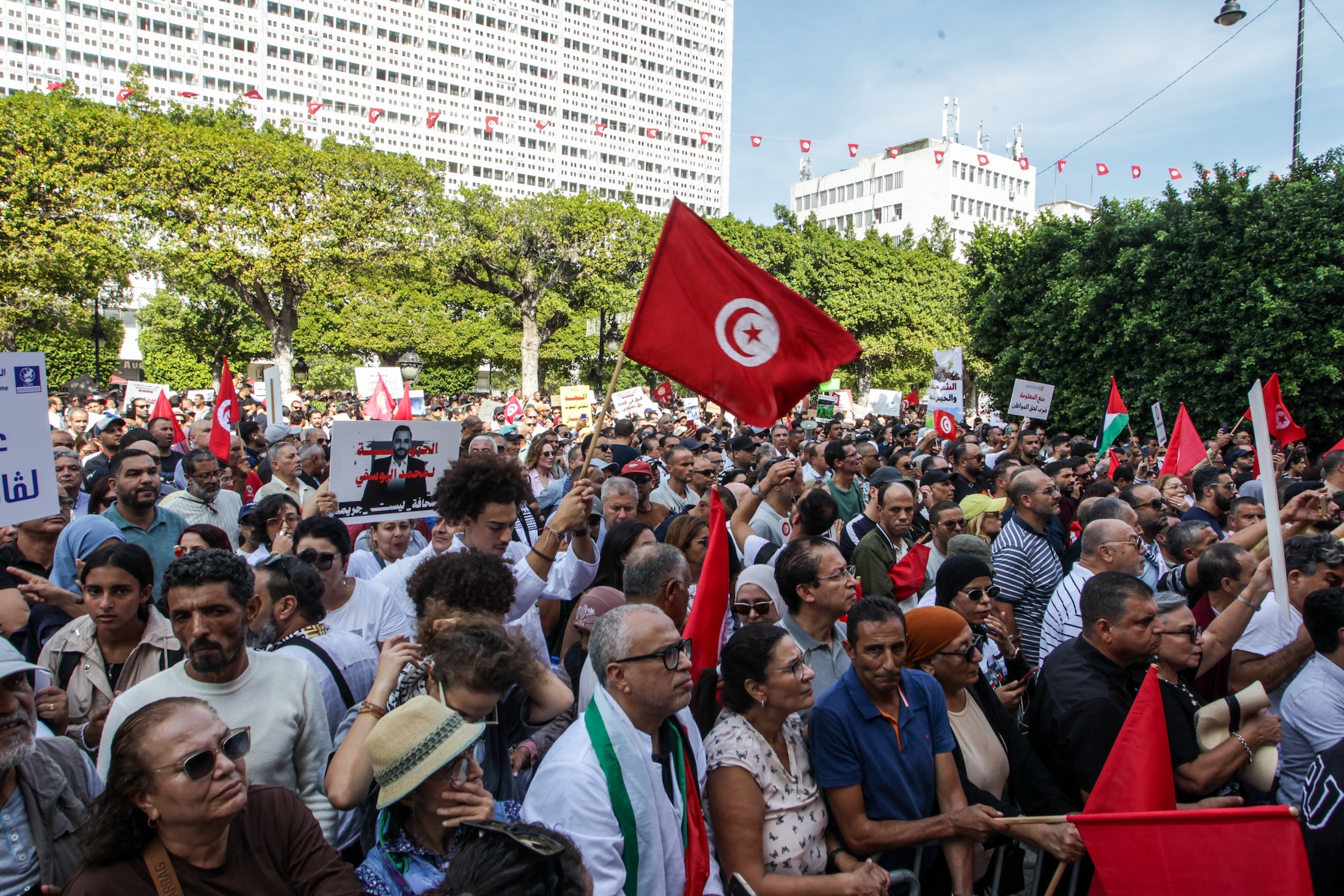
Tunisia's 2027 draft budget indicates limited steps to improve public service provision and address Tunisians' popular economic grievances, but domestic borrowing will likely fuel inflation, worsening economic conditions and risking more expansive protests. On Oct. 15, the Tunisian government introduced the 2027 draft finance bill to parliament. The draft budget marks an 8.4% increase in total government spending since 2026 and represents around 38% of GDP. Furthermore, the budget indicates a widening fiscal deficit of 14.6 billion Tunisian dinars (around $4.9 billion), representing about 6.7% of GDP, up from about 5.9% in 2026. Changes to government spending prioritize improving food, water, and energy security, though a large portion of expenditures remains allocated to the country's hefty public wage bill, with labor unions protesting minimum-wage increases that are lower than the annual inflation rate.
