
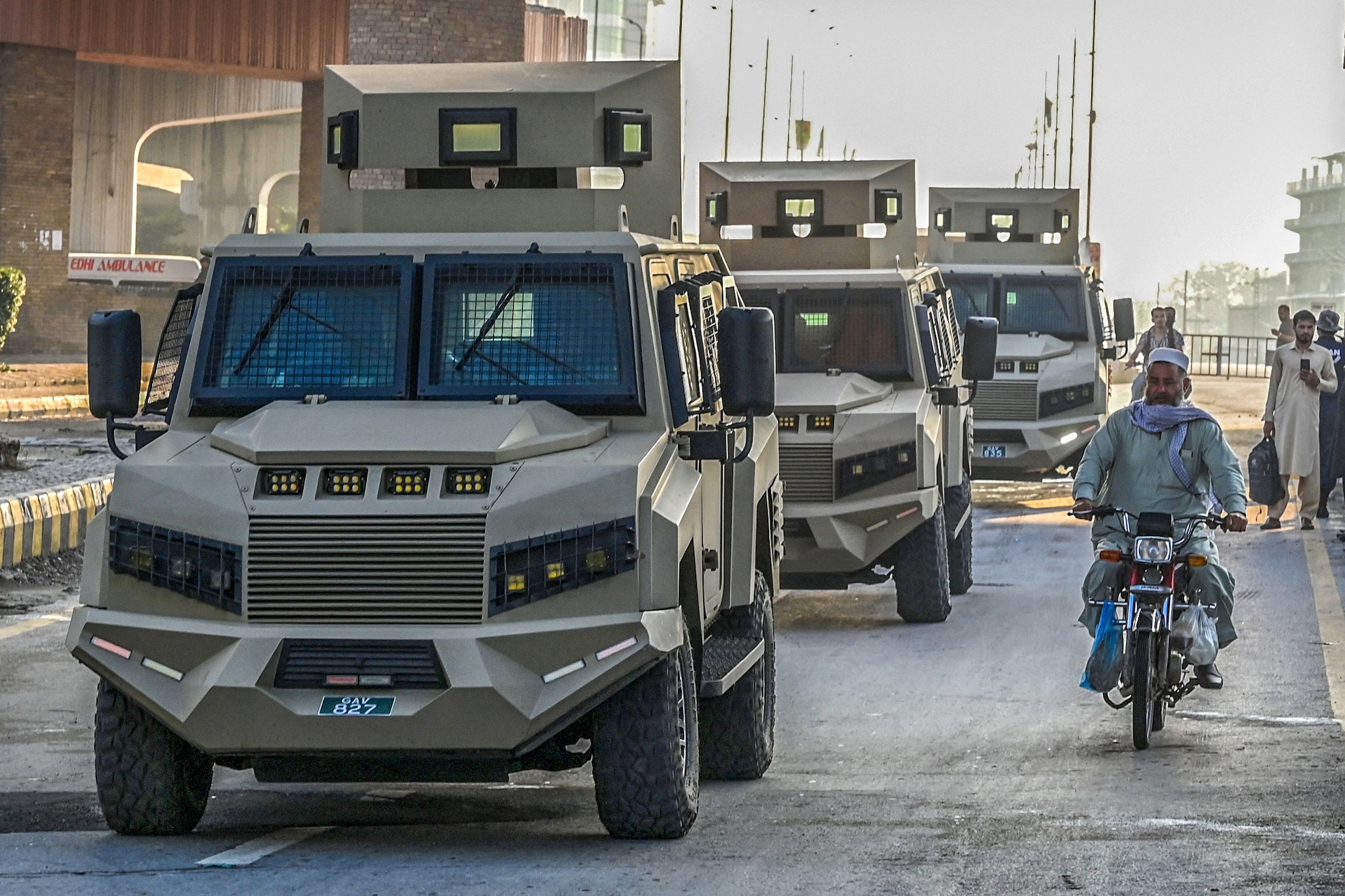
Pakistan's government will likely sustain emergency rule in Khyber Pakhtunkhwa, enabling it to intensify counterterrorism efforts there and further suppress the opposition Pakistan Tehreek-e-Insaf (PTI) party, but persistent militancy and local resistance could undermine security gains and deepen tensions over provincial autonomy . On Oct. 11, Pakistani President Asif Ali Zardari declared emergency rule in the northwestern province of Khyber Pakhtunkhwa, removing Chief Minister Sohail Afridi of the Pakistan Tehreek-e-Insaf (PTI) party and granting the federal government administrative powers over the region. The federal government subsequently transferred executive authority from the Khyber Pakhtunkhwa provincial government to Governor Faisal Karim Kundi of the Pakistan People's Party (PPP), a coalition partner of the ruling Pakistan Muslim League-Nawaz (PML-N). That same day, Pakistan's Interior Ministry also authorized the deployment of army personnel and equipment to Khyber Pakhtunkhwa to support Kundi's de facto government in managing security and maintaining public order.
